
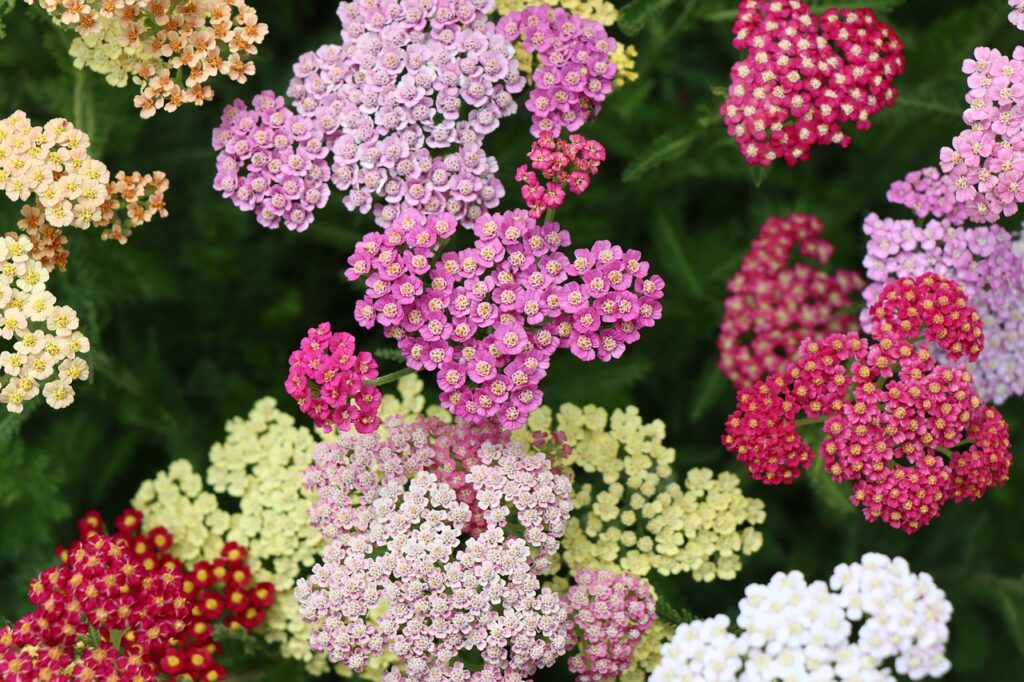
The Psychology of Flower Colors
A deeper look at how colour shapes feeling, memory, and connection
How do flower colours affect mood and perception?
Flower colours influence mood and perception by triggering psychological and physiological responses linked to colour recognition. Warm colours such as red and yellow tend to energise and uplift, while cool colours like blue and purple promote calm and reflection. However, these responses are shaped by culture, memory, and context as much as biology.
Flower Colors have a profound impact on our emotions, mood, and overall well-being. Different colors can evoke various responses, influencing everything from our energy levels to our sense of calm. The use of color in our surroundings — whether in our homes, workplaces, or natural environments — can significantly affect our mental and physical health.
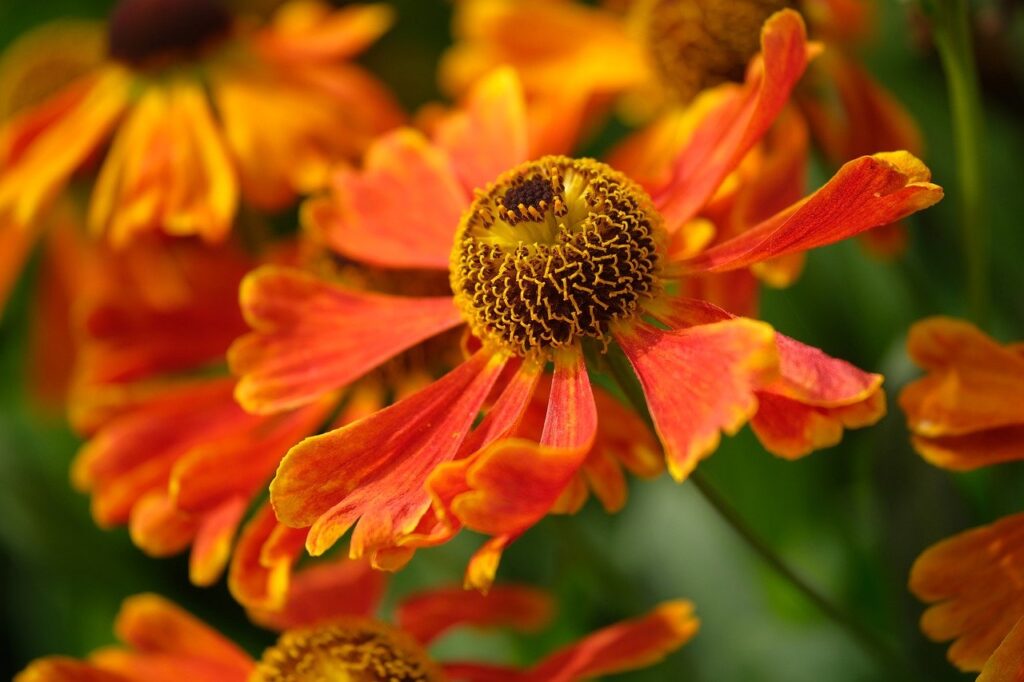
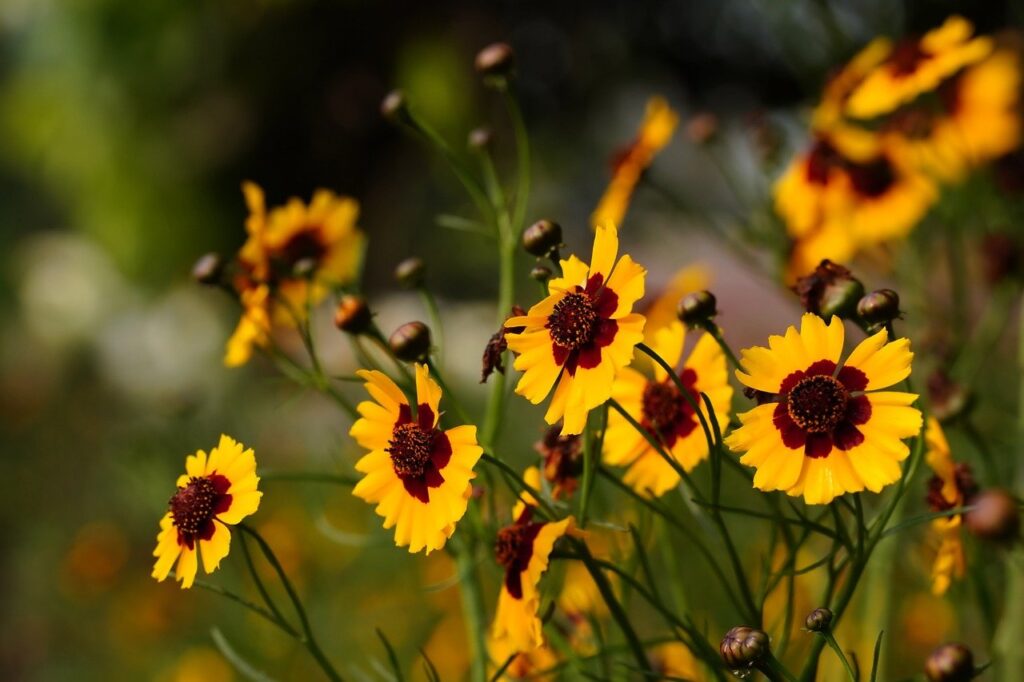
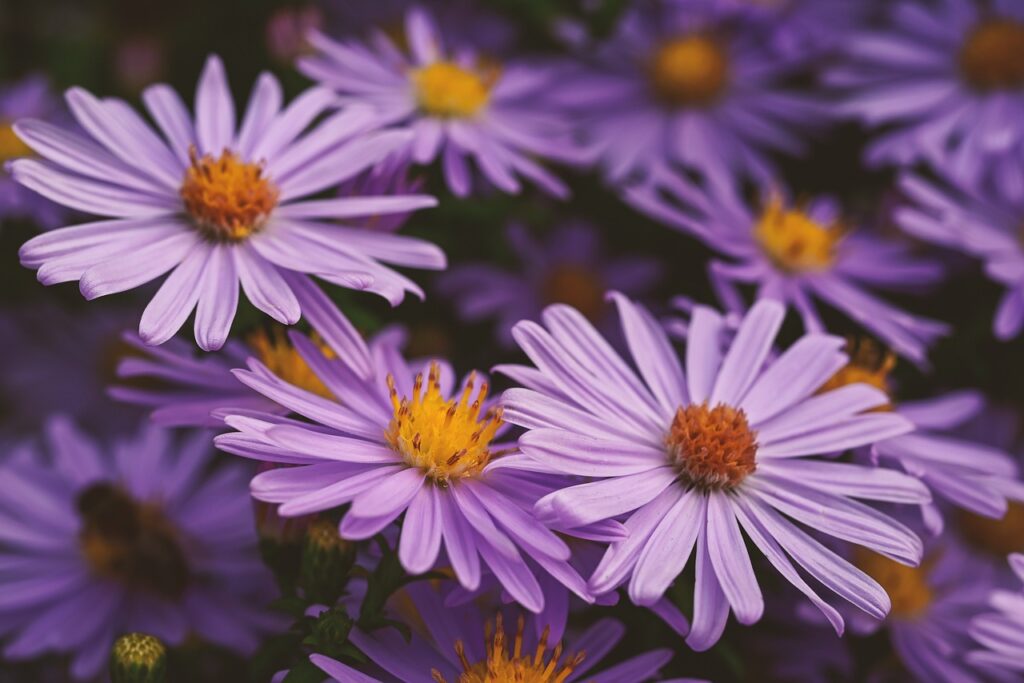
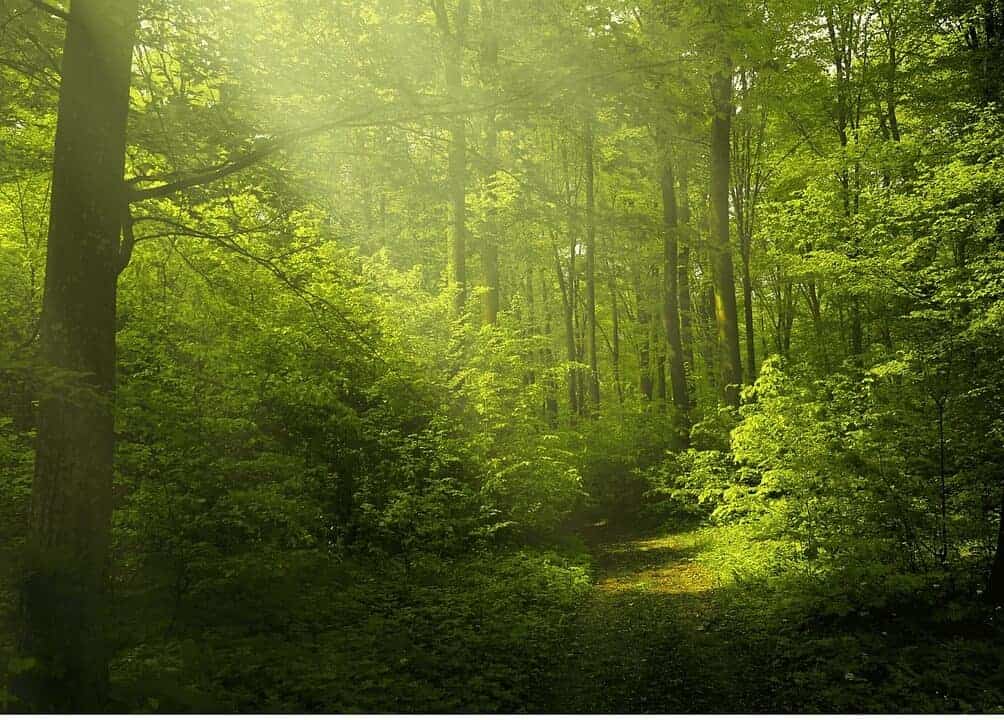
The Significance of Green
Green flower colors holds a special place in color psychology due to its strong association with nature, growth, and renewal. It is often described as a calming and restful color that can reduce stress and anxiety. Being surrounded by green — whether in a forest, garden, or through interior design — can create a sense of balance and harmony.
The color green is also linked to creativity and problem-solving, making it a valuable color in spaces where focus and innovation are needed. Its prevalence in nature also makes it a symbol of life, vitality, and health.
Psychological Impact: How Color Makes You Feel
- Red Flowers: Red can increase heart rate and create a sense of urgency or excitement. In interior design, red flowers might be used to energize a room or stimulate conversation.
- Yellow Flowers: Yellow has been shown to boost mental clarity and increase energy levels. In office or study environments, yellow flowers can enhance concentration and foster a positive work environment.
- Blue Flowers: Blue is known to have a calming effect on the mind. It can lower blood pressure and heart rate, making blue flowers ideal for spaces where relaxation and peace are desired.
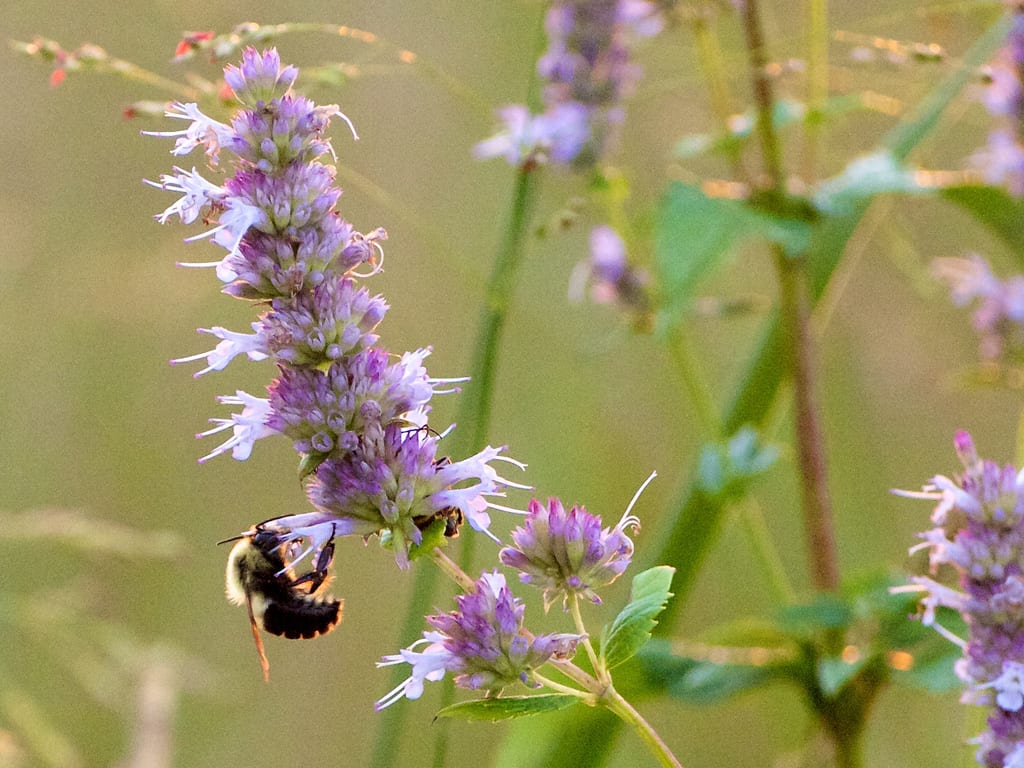
- Purple Flowers: Purple can stimulate creativity and introspection. It is often used in spaces where brainstorming or creative activities occur, encouraging deep thinking and innovation.
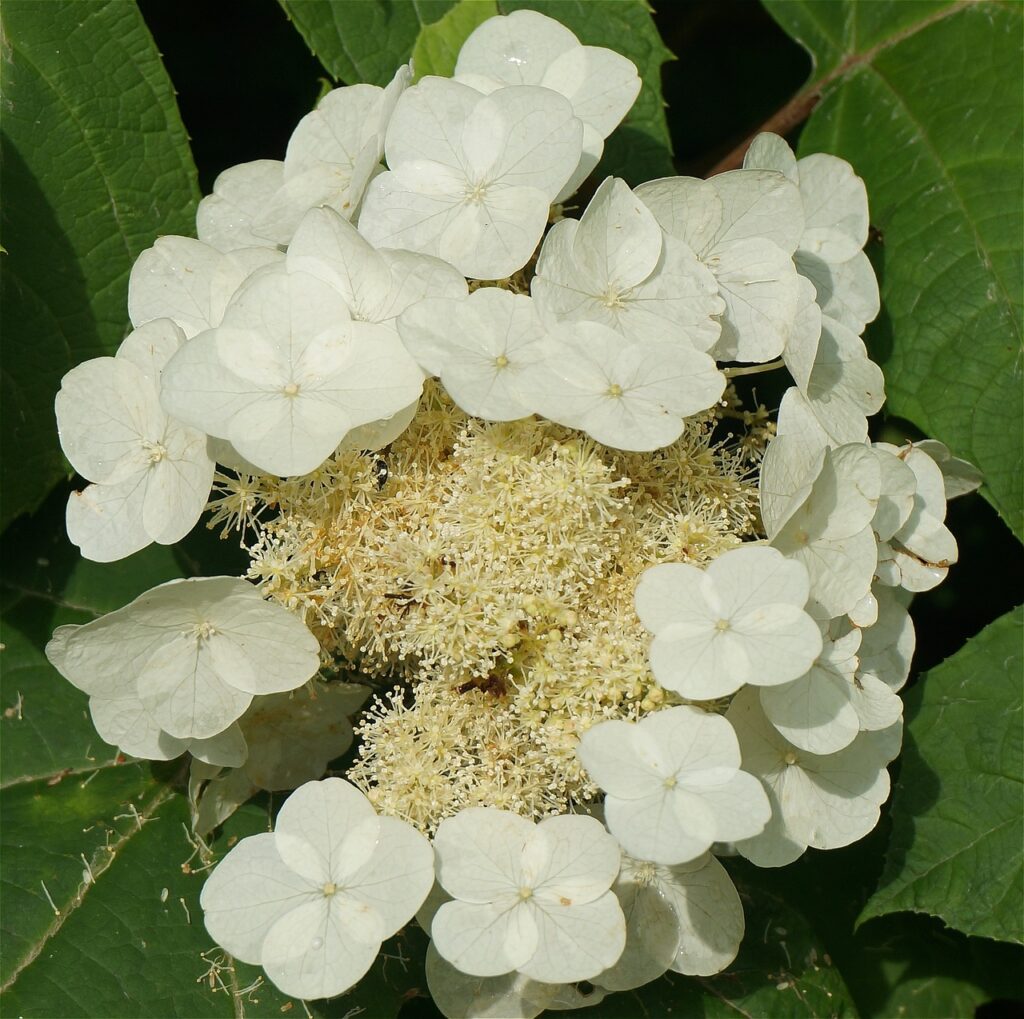
- White Flowers: White is associated with purity and simplicity, creating a clean and uncluttered visual experience. White flowers are often used in minimalistic designs to maintain clarity and order.
Social and Cultural Influences
- Red Flowers: In many cultures, red flowers are associated with celebration and romance — popular for Valentine’s Day and anniversaries due to their associations with love and passion.
- Yellow Flowers: Yellow flowers often symbolize friendship and joy. Commonly given as a gesture of appreciation or to cheer someone up, they are popular in social and casual settings.
- Blue Flowers: Blue flowers convey calm and trustworthiness, often chosen for corporate settings or to create a serene environment in homes and public spaces.
- Purple Flowers: Traditionally associated with royalty and luxury, purple flowers enhance the aesthetic of formal events or add sophistication to a space.
- White Flowers: Linked to purity and new beginnings, white flowers are suitable for weddings, christenings, and significant life events. They also convey sympathy and support during times of loss.
The colors we surround ourselves with are not just aesthetic choices — they are silent influences on how we feel, think, and heal.
Aromas and the Psychology of Smells
Aromas have a direct connection to the brain’s limbic system, which is responsible for emotions and memory. Certain smells can evoke strong emotional responses and even influence physiological states. The scent of lavender is known for its calming effects and is often used to reduce anxiety and promote sleep. Citrus scents, like lemon and orange, are invigorating and can boost mood and energy levels. In natural settings, the smells of pine, fresh earth, or blooming flowers can create a sense of peace and well-being.
Texture and the Sense of Touch
The sense of touch plays a critical role in how we perceive and interact with the world around us. Different textures can evoke various emotional responses — soft, smooth textures are generally associated with comfort and safety, while rough or prickly textures can create discomfort or alertness. In nature, the feel of grass underfoot, the rough bark of a tree, or the smooth surface of a stone all contribute to our sensory experience and emotional state. Engaging with these textures mindfully — through forest bathing or gardening — can deepen our connection to the environment.
Various Types of Pollution
Pollution comes in many forms — air, water, soil, noise, and light — and each type can have detrimental effects on human health and the environment. Air pollution is linked to respiratory and cardiovascular diseases, while noise pollution can lead to stress, sleep disturbances, and hearing loss. Water and soil pollution can contaminate food and water sources, leading to a host of health problems. Light pollution disrupts natural sleep patterns and can interfere with the behaviour of wildlife.
Nature’s Effects on Human Beings
Nature has a profound impact on human beings, influencing our mental, emotional, and physical health. Exposure to natural environments has been shown to reduce stress, lower blood pressure, and improve mood. The sounds of nature — such as birdsong or rustling leaves — can induce relaxation and enhance cognitive function. Being in nature also encourages physical activity, whether through walking, gardening, or other outdoor pursuits. Moreover, nature fosters a sense of connection and belonging, providing a respite from the pressures of modern life.
The Impact of the Environment on the Individual
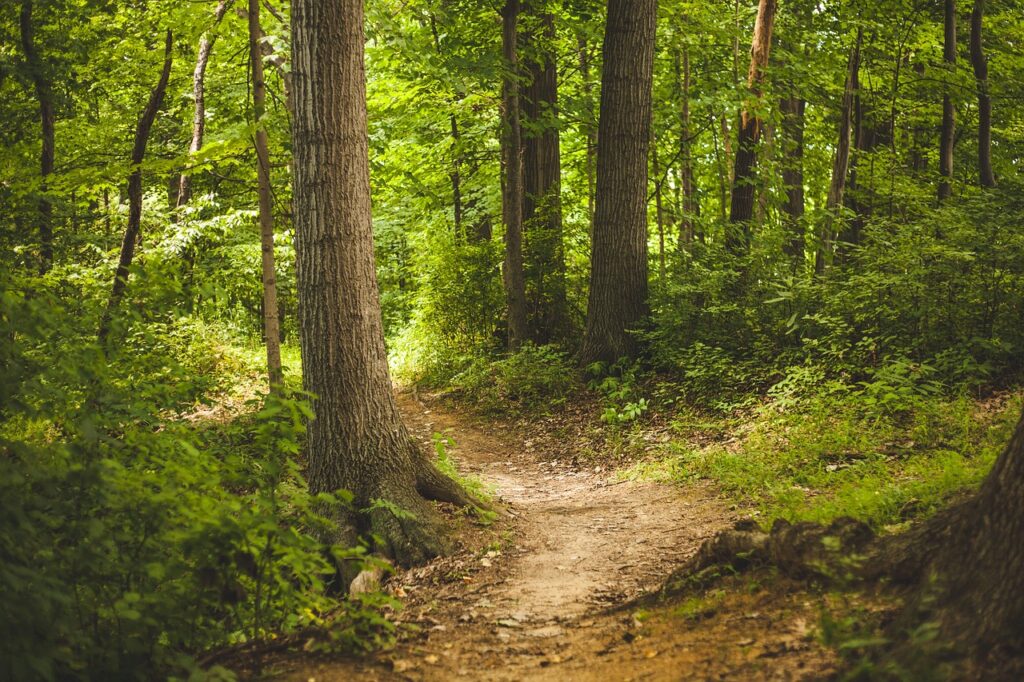
The environment we live in shapes our behaviours, attitudes, and overall well-being. Natural environments tend to promote health and happiness, offering spaces for relaxation, reflection, and rejuvenation. In contrast, urban environments with high levels of pollution, noise, and stress can contribute to mental health issues and physical ailments. A well-designed environment that incorporates nature — parks, wildlife, tree-lined streets, green spaces, and natural light — can significantly enhance quality of life and foster a sense of well-being.
In conclusion, the colors we see, the aromas we inhale, the textures we touch, and the environments we inhabit all play crucial roles in our psychological and physical health. By understanding and harnessing the power of these elements, we can create spaces and experiences that promote well-being and enrich our daily lives.
A European reflection — colour through landscape
In North America, golden yellows of late-season prairies carry warmth and closure.
In Europe: Blue meadows lead to White umbels, Soft purples of woodland edge
The palette shifts—but the pattern remains. Each landscape has its own emotional language. And colour is how it speaks.
Closing reflection
Flower colour is not something we apply meaning to. It is something we recognise.
A signal older than language.
A pattern older than culture.
And when we respond to it—whether with calm, energy, memory, or emotion—we are not just seeing colour. We are remembering something we were always part of.
Further Research and References
“Color Psychology and Color Therapy” by Faber Birren — A comprehensive study of the influence of color on human life and behavior.
“The Secret Lives of Color” by Kassia St. Clair — Explores the history and cultural significance of various colors and their influence on art, fashion, and emotions.
“The Little Book of Color” by Karen Haller — A practical guide to using color psychology in everyday life to enhance well-being.
“The Psychological Impact of Color” by Kendra Cherry — An article on Verywell Mind breaking down the emotional effects of different colors. Institute for Color Research
“The Science of Color and Emotion” — TEDx Talk by Ximena Vengoechea: Watch on YouTube
“How Colors Affect Your Mood” — AsapSCIENCE: Watch on YouTube