
Start with Soil Health and Create an Abundant Layered Shade Canopy
Gardening today is about more than just pretty borders or tidy lawns. It’s about creating spaces that support life—plant, animal, and everything in between. If you’re ready to grow a garden that gives back to nature, then the journey begins beneath your feet.
A wildlife-friendly native garden starts with soil. Healthy soil is full of life—microbes, fungi, insects, and more. In a truly living soil, mycorrhizal fungi form underground networks that help plants absorb nutrients and water, while plants feed the fungi with sugars. This ancient partnership is the foundation of any thriving native ecosystem.
To build this foundation, avoid tilling or disturbing the soil. Let it breathe and rebuild naturally. Skip synthetic fertilizers and instead use compost, leaf mold, or well-rotted wood chips. These feed the soil organisms that in turn support your plants. Check your soil’s pH and drainage, especially in the Mid-Atlantic where many native plants prefer slightly acidic, well-drained soils. When mulching, do so lightly—many beneficial insects and native bees need bare ground to nest.
Once your soil is healthy, it’s time to build your garden in layers. Native plant communities thrive in layers—just like in nature. By mimicking these ecological layers, you’ll create more habitat for more creatures, from birds and butterflies to frogs and pollinators.
Start with the ground layer. These are your low-growing groundcovers that cool the soil, suppress weeds, and provide shelter for insects. Great choices include golden ragwort (Packera aurea), creeping phlox (Phlox subulata), wild stonecrop (Sedum ternatum), and Pennsylvania sedge (Carex pensylvanica).
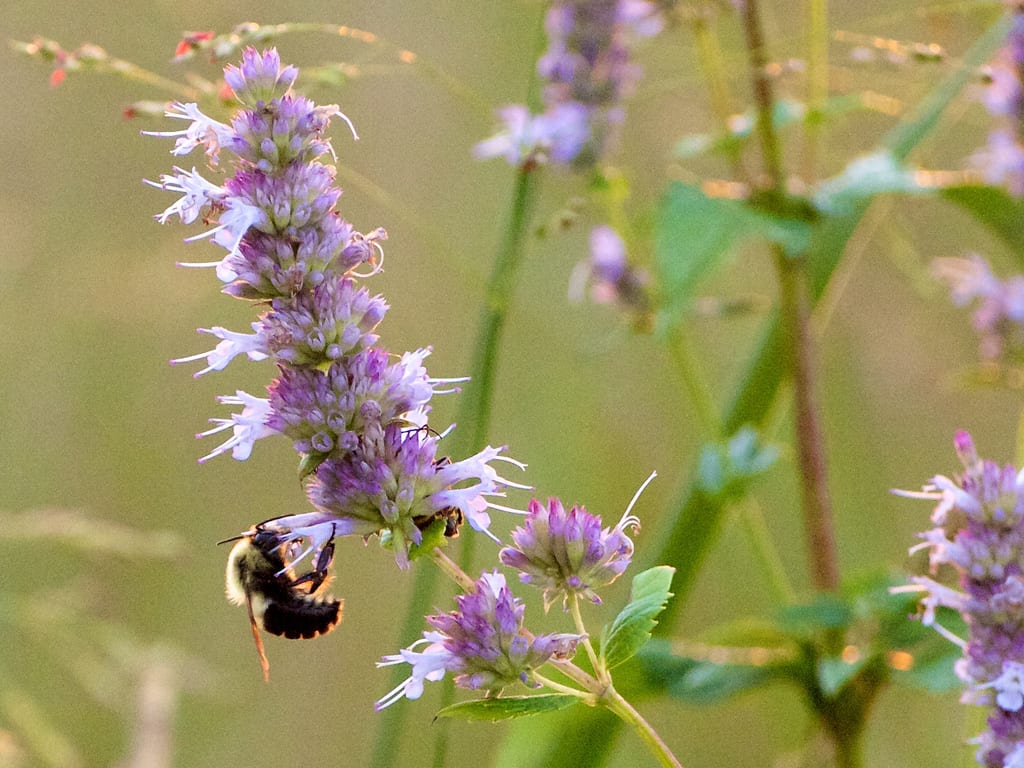
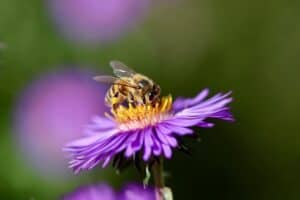
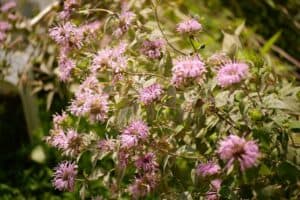
Above that, you have your herbaceous or flowering perennial layer. These provide food for pollinators and beauty throughout the growing season. Consider coastal Joe Pye weed (Eutrochium dubium), anise-scented goldenrod (Solidago odora), aromatic aster (Symphyotrichum oblongifolium), and wild bergamot (Monarda fistulosa).
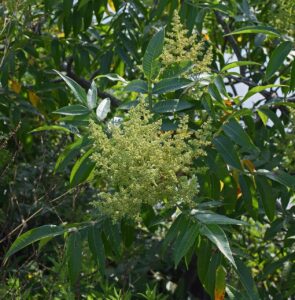
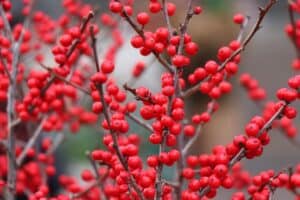
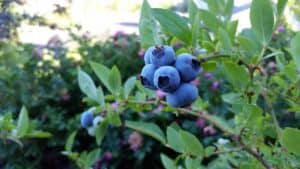
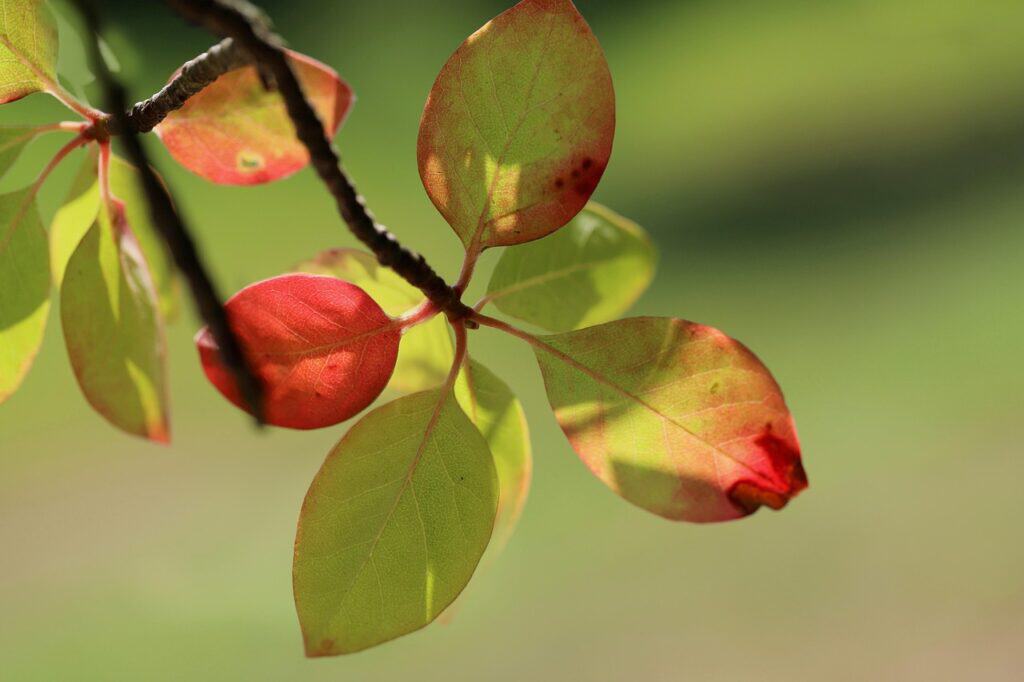
The shrub layer adds structure and support for wildlife, offering berries, nectar, and shelter. Native shrubs for the Mid-Atlantic include winterberry holly (Ilex verticillata), summersweet (Clethra alnifolia), highbush blueberry (Vaccinium corymbosum), and aromatic sumac (Rhus aromatica).
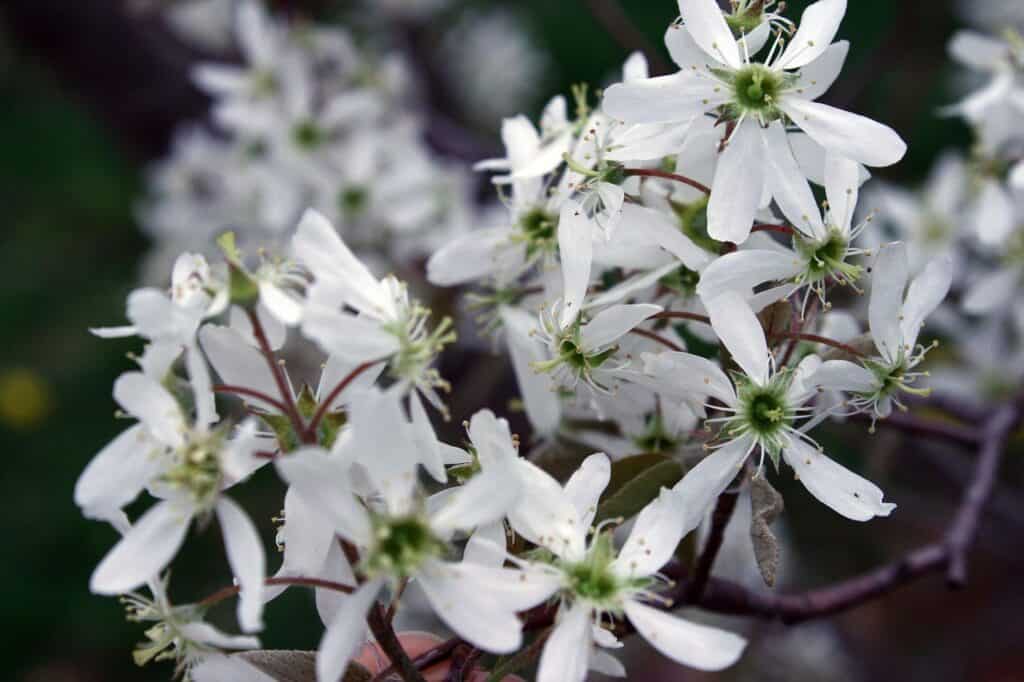
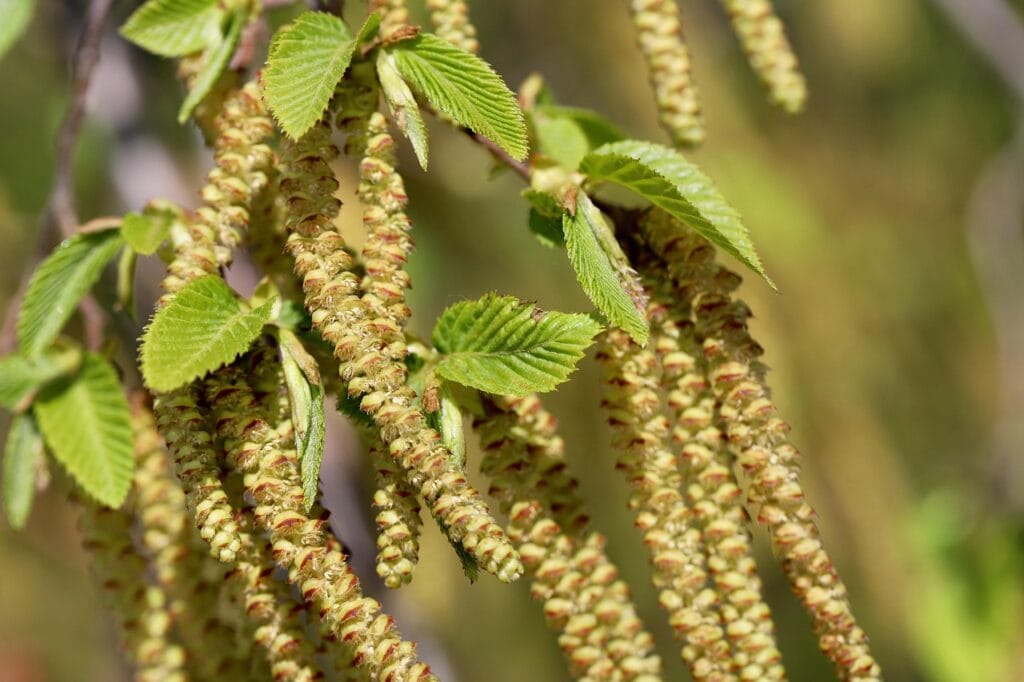
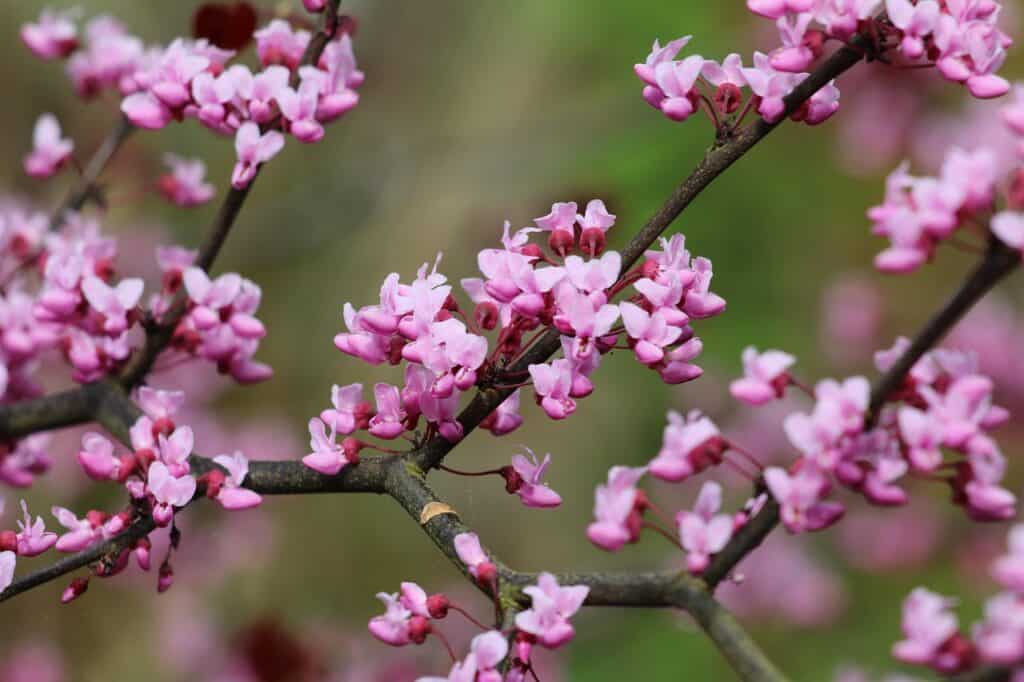
Next is the understory tree layer. These small trees thrive in partial shade, helping to support birds, pollinators, and other wildlife. Look for shadbush (Amelanchier canadensis), American hornbeam (Carpinus caroliniana), eastern redbud (Cercis canadensis), and flowering dogwood (Cornus florida).
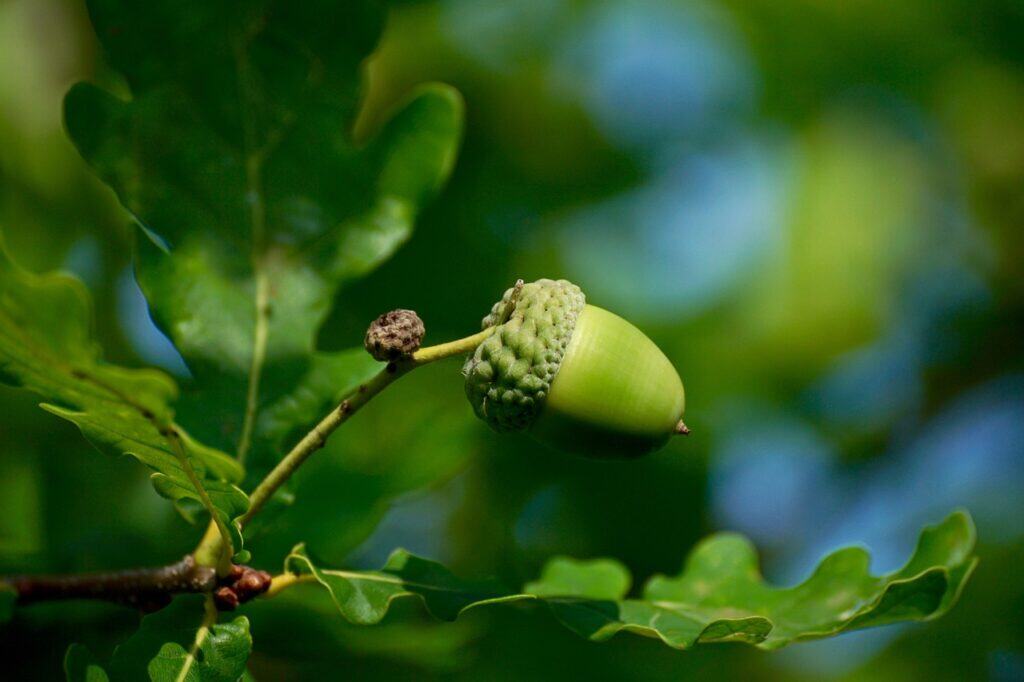
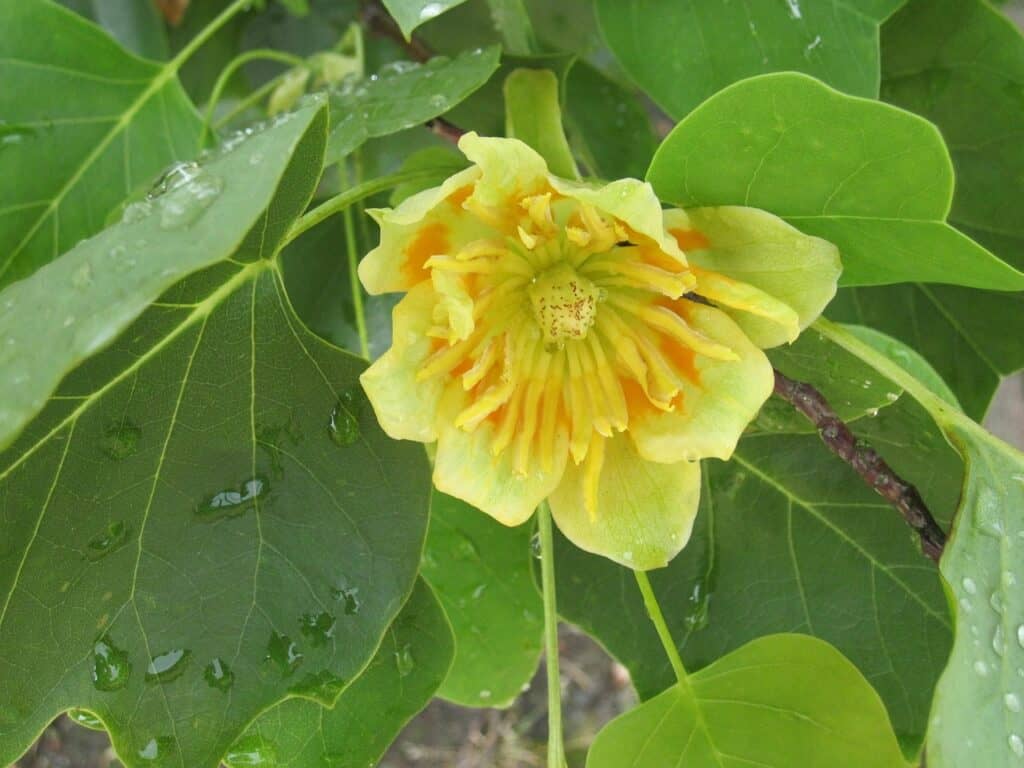
Finally, the canopy layer consists of tall native trees that define the garden’s upper structure, capturing carbon, providing shade, and hosting hundreds of insect species. In the Mid-Atlantic, ideal canopy trees include white oak (Quercus alba), tulip tree (Liriodendron tulipifera), black gum (Nyssa sylvatica), and red maple (Acer rubrum).
Don’t forget about the garden edges. These transition zones between forest and field, or lawn and garden, are where much of the ecological action happens. These edge areas are perfect for perennials and grasses like short-toothed mountain mint (Pycnanthemum muticum), swamp milkweed (Asclepias incarnata), little bluestem (Schizachyrium scoparium), and black-eyed Susan (Rudbeckia hirta).
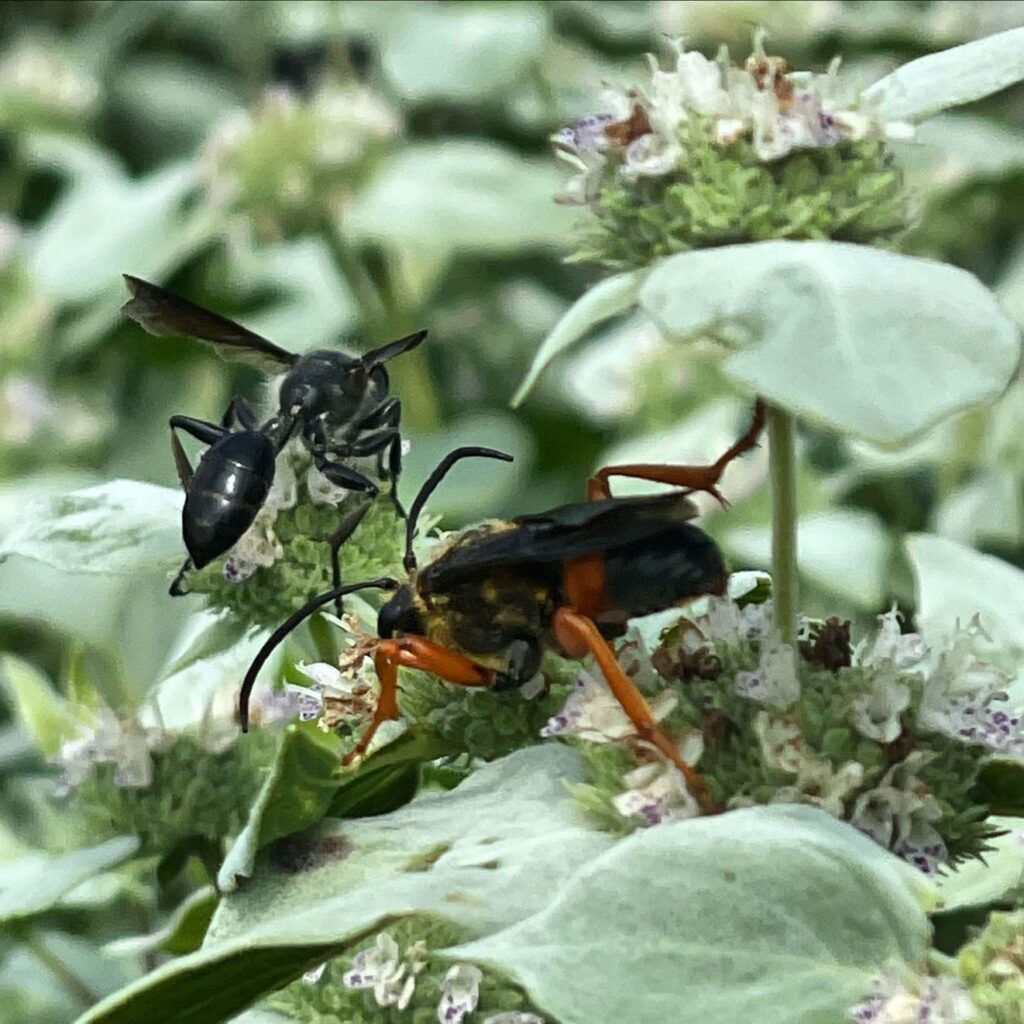
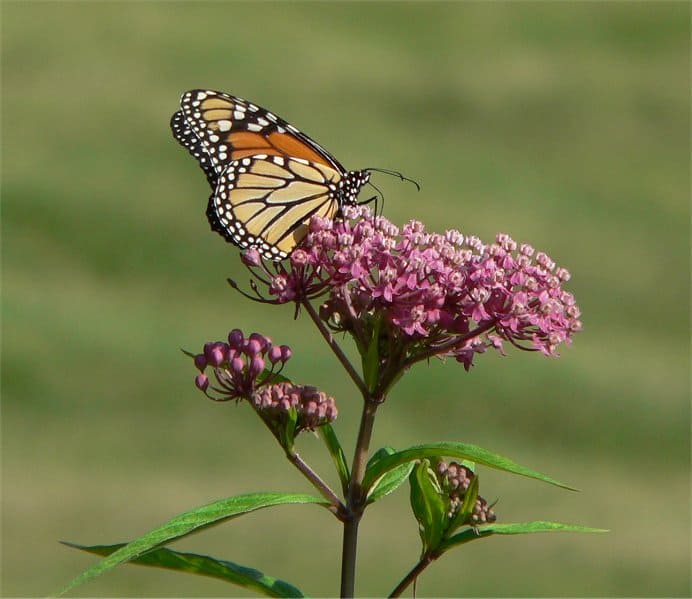
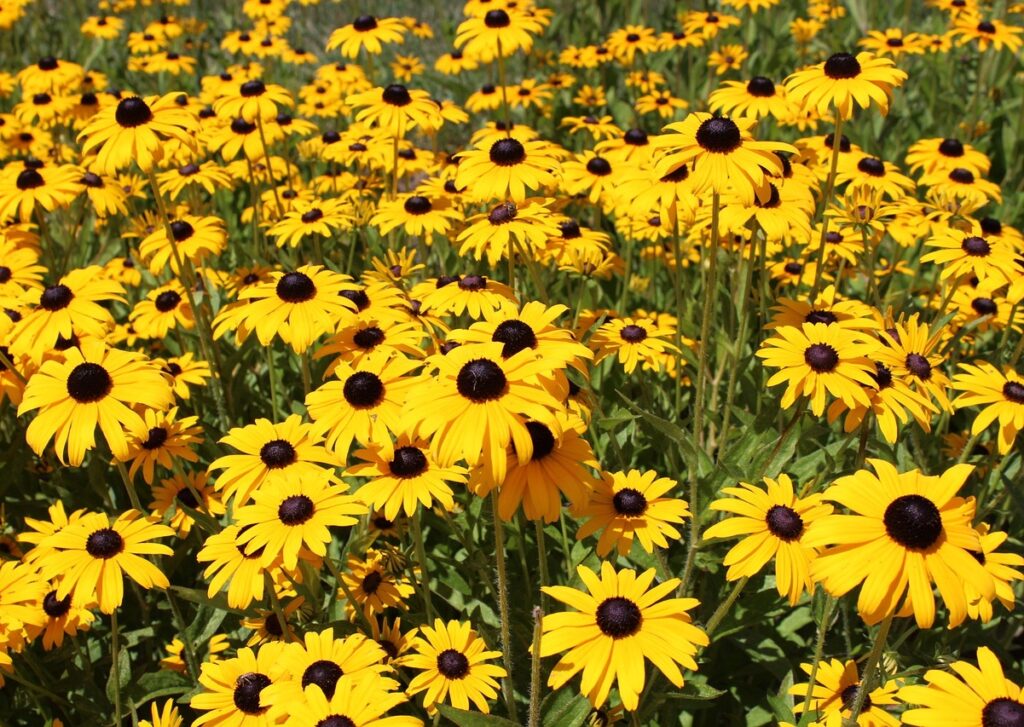
When planting, use groupings or clusters of the same species to help pollinators find them. Larger patches of native flowers are easier for insects and birds to locate, and they also make a stronger visual impact.
Try to avoid common mistakes such as over-mulching, which can prevent native bees from nesting and can suffocate seedlings. Steer clear of overly bred ornamental hybrids, especially double-flowered varieties that offer little to no pollen or nectar. And once your native plants are established, don’t overwater them—they’re adapted to local conditions and can often thrive on rainfall alone.
In the end, a native garden is more than just a beautiful landscape. It becomes a living, breathing ecosystem. Your garden can be a rest stop for a hummingbird, a nursery for monarch caterpillars, a shelter for toads and foxes. It can be a place that reflects not just your taste—but your values.
So start with the soil. Think in layers. Plant with intention. And let your garden grow wild in the best way possible.
For more seasonal native gardening advice, growing tips, and plant profiles, follow iGrowHort.com and join me on the journey of planting with purpose.
Let’s grow together—wild, rooted, and native.
Your Garden, Their Home
Your native garden isn’t just a place of beauty—it’s a lifeline. A hummingbird resting stop. A butterfly nursery. A native bee pantry. A fox’s quiet corner. With every layer you build, you’re creating not just a garden—but an ecosystem.
And in the end, that’s what makes gardening worth it. Not just the blossoms, but the buzz. Not just the shade, but the life beneath it.
Join the Movement
Follow @iGrowHort for seasonal tips, seed swaps, and inspiration from my garden journeys—from the wetlands of the Eastern Shore to the Welsh hills that first shaped my roots.
Let’s grow wild—with intention – Let’s grow native – Let’s grow home. Your Garden, Their Home
References and Further Research
Creating a wildlife-friendly native garden involves blending ecological knowledge with region-specific planting strategies. If you’re ready to go deeper—beneath the mulch and into the mycelium—here’s a curated list of trusted resources that explore the topics we’ve touched on, from living soils to layered native plantings. These references also serve to cross-validate many of the ecological principles discussed and help improve SEO by providing relevant, high-authority backlinks.
USDA Plants Database – A comprehensive resource for native plant identification and distribution across the United States.
Lady Bird Johnson Wildflower Center – Explore a regionally accurate plant database with details on growing conditions, ecological benefits, and habitat value.
National Wildlife Federation: Native Plant Finder – Find keystone native plants by ZIP code that support butterflies, moths, and local wildlife.
Pollinator Partnership – Download eco-regional planting guides and learn more about how to support native bees, butterflies, and other pollinators.
Audubon Native Plants Database – Discover plants that provide food and habitat for local and migratory birds.
Delaware Native Plant Society – Regional information, native plant lists, and conservation efforts tailored to the Mid-Atlantic region.
Xerces Society for Invertebrate Conservation – Learn how to create safe havens for pollinators and beneficial insects, with a focus on ecological restoration.
Missouri Botanical Garden Plant Finder – Search plant profiles for cultural needs, soil preferences, and habitat roles.
Ecological Landscape Alliance – A great source for articles on soil health, sustainable design, and native plant layering.
EPA Green Infrastructure Guide – Guidance on how native gardens can support water filtration, stormwater retention, and biodiversity.
For a deeper dive into soil microbiology, mycorrhizal fungi, and regenerative gardening practices, consider reading Teaming with Microbes: The Organic Gardener’s Guide to the Soil Food Web by Jeff Lowenfels and Wayne Lewis, or search academic studies via Google Scholar.
This is just the beginning. The more you learn, the more your garden becomes not only a sanctuary for wildlife—but for yourself. Let your curiosity take root and grow something that matters.
—Stephen Pryce Lea