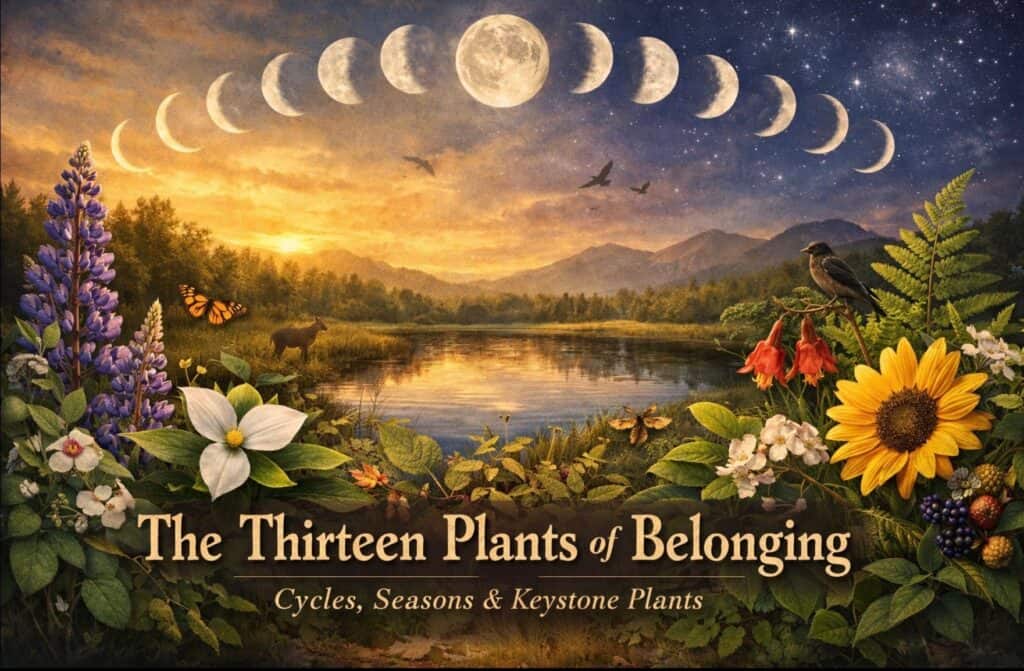
There is a reason the last few pages of Native by Nature – Spring: Belonging do not end quietly. It does not close with a period or a farewell. It opens again, deliberately, into a living list: 13 plants. Not a glossary. Not a shopping list. But a return to something older than publishing, older than gardening trends, older even than the idea of ownership.
These plants are not decorations. They are anchors. The thirteen plants of belonging exist as a counterweight to a culture that asks us to rush, extract, replace, and move on. They are a reminder that we belong not by speed, but by repetition, not by novelty, but by return.
They sit at the back of each volume because that is where roots live. Out of sight. Holding everything together.
Why 13 Matters – Thirteen is not arbitrary. It is lunar. It is ecological. It is human.

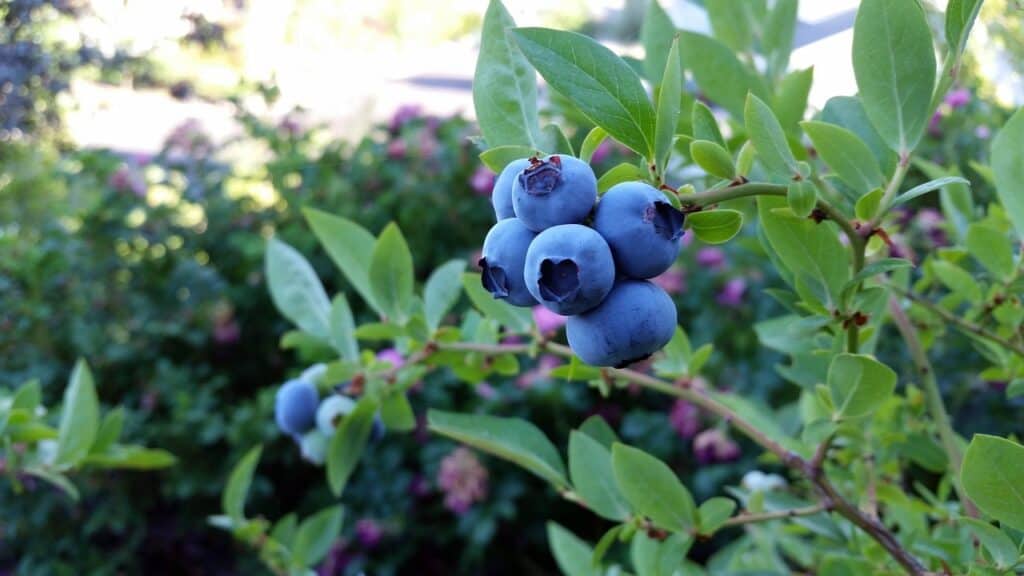
A solar year contains twelve tidy months, but the living world does not run on tidy systems. The moon completes roughly thirteen full cycles each year, each one shifting tides, moisture, behaviour, migration, sap flow, and growth rhythms that plants and animals respond to instinctively, long before humans named calendars.
Indigenous cultures across the world understood this. Thirteen moons. Thirteen returns. Thirteen moments to notice what has changed and what has remained.
By choosing thirteen plants, Native by Nature aligns itself with the older clock. The one written in soil temperature, bird calls, swelling buds, and lengthening shadows. This is not symbolism layered on top of ecology. It is ecology remembered.
Each plant becomes a marker within a cycle. A living punctuation point that says: you are here, and this matters.
Belonging Is Seasonal, Not Static
Belonging is often misunderstood as permanence. A place you arrive at and then keep. But in gardens, forests, and human lives, belonging is seasonal.
Some plants announce themselves early, then retreat. Others wait, watching, building quietly underground before revealing their presence. Some thrive in disturbance. Others stabilise after chaos. Some live briefly and generously. Others persist for decades, asking only to be left alone.
The thirteen plants of Spring: Belonging were chosen not because they are fashionable or universally ornamental, but because together they tell a seasonal story of arrival, grounding, relationship, and restraint.
They are not all loud. They are not all polite. They are keystone plants in the truest sense, meaning that their presence supports life far beyond themselves. Insects, birds, fungi, soil organisms, and neighbouring plants are altered by their existence. Remove them, and something collapses.
Belonging, in this context, is reciprocal. These plants belong because others depend on them, and because they, in turn, depend on the conditions of place.
Keystone Merit and Moral Weight – Keystone merit is not about superiority. It is about responsibility.
A keystone plant carries disproportionate ecological weight. It feeds many mouths, shelters many bodies, and holds together processes that would otherwise fragment. In the human world, we recognise this kind of role intuitively. Certain people, places, and practices hold communities together without ever asking for attention.
The thirteen plants at the end of Spring: Belonging were locked in because they demonstrate this quiet authority. They are not interchangeable. Each earns its place through function, resilience, and relationship.
This is why the list does not change casually between editions. It is not curated for trend, but for truth. These plants form a moral backbone as much as a botanical one. They ask us to consider what we choose to support, plant, protect, and return to.
The Back Page as Threshold
Placing the thirteen plants at the back of the book is intentional. It mirrors the way wisdom often works. We read, we reflect, and only then are we ready to step back into the living world with different eyes.
The list is an invitation, not an instruction. It does not say plant these everywhere. It says listen for their equivalents where you are. Notice which species in your own landscape carry similar weight. Which plants feed many, stabilise soil, host life, and endure without spectacle.
In this way, the thirteen plants are both specific and universal. Rooted in place, yet adaptable in principle.
A Living Cycle Across the Series
As Native by Nature unfolds across seasons, the thirteen-plant framework remains constant in structure, but not in meaning. Spring introduces belonging through emergence and trust. Summer will explore abundance and relationship. Fall will confront letting go. Winter will ask for discernment.
The plants remain companions through these shifts. They age, rest, return, and sometimes disappear above ground while continuing unseen work below. Just like us.
The cycle does not ask for completion. It asks for participation.
Closing the Circle
The thirteen plants of belonging are not there to be mastered. They are there to be met, season after season, moon after moon, year after year.
If this book offers anything, it is not certainty. It is orientation. A way of standing in the world that recognises cycles, honours restraint, and understands that belonging is not something we claim, but something we practice.
The back of the book is not the end.
It is where the garden begins again.
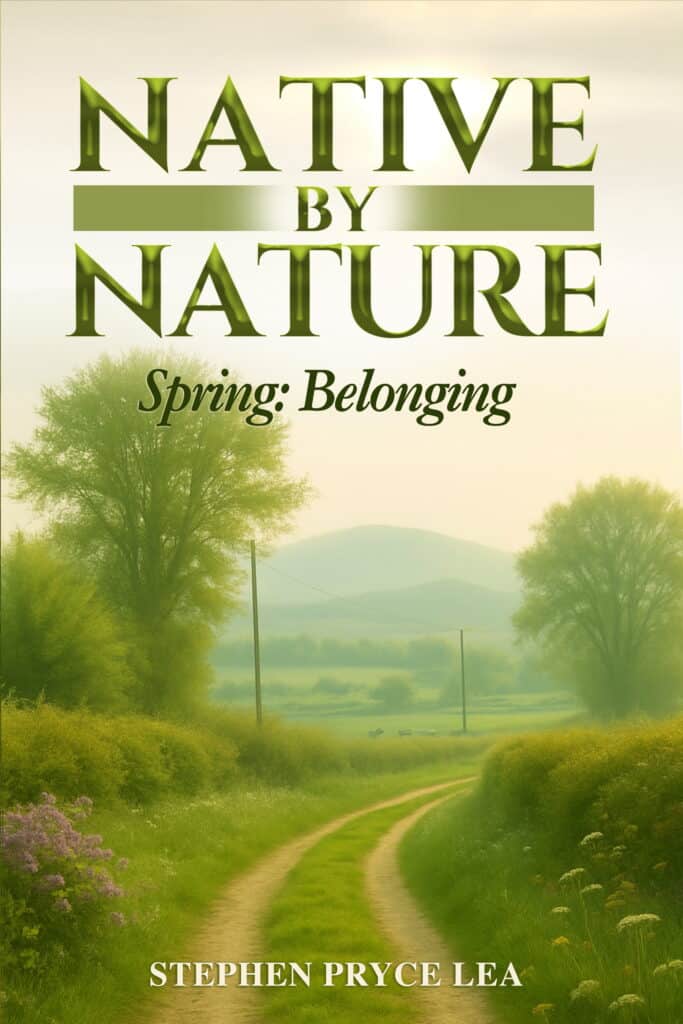
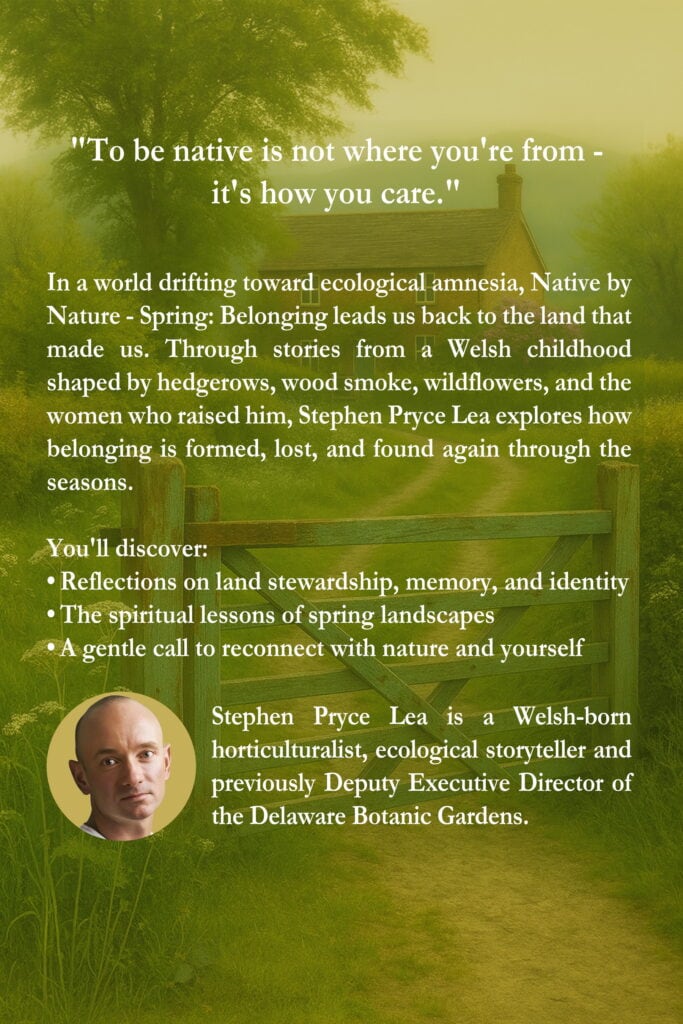
Spring is where the story begins.
Not in childhood — but in awareness.
In the moment a person realises they are standing at a crossroads, half a lifetime behind them and half still waiting, held aloft by all the people, experiences, and wild places that shaped them.
In writing this book, I didn’t just revisit the past. I learned to sit with it.
To walk again through the memory of my mother teaching me how to garden under an old apple tree.
To acknowledge the grief of losing her while living an ocean away.
To meet again the volunteers, mentors, and moments that have been teachers in disguise.
And to see, with fresh clarity, how belonging is not a static state but a relationship — a living exchange between what we tend and what tends us in return.
Spring: Belonging is the first step on a path that will continue through three more books in the coming years: Summer: Abundance, Fall: Letting Go, and Winter: Discernment. Together, the series follows the natural arc of a life lived close to the land — growing, thriving, shedding, breaking open, and beginning again. Each volume has its own rhythm, its own weather, its own way of teaching what it means to be human in a world that is always changing.
For now, though, we begin in Spring.
The season of unfurling.
The season of remembering where we come from and choosing, with intention, where we will go next.
Thank you to everyone who has walked with me through this landscape — friends, colleagues, volunteers, readers, and those who have shared early words of encouragement. Your presence in my life has shaped this work more than you know.
If you feel called to join me on this journey, Native by Nature – Spring: Belonging is now available on Amazon in paperback and e-book. I will also be sharing occasional reflections, behind-the-scenes notes, and glimpses into the next chapters here on the blog as the seasons unfold.
Here’s to the stories we carry, the gardens that shape us, and the places — seen and unseen — where we finally find our belonging.
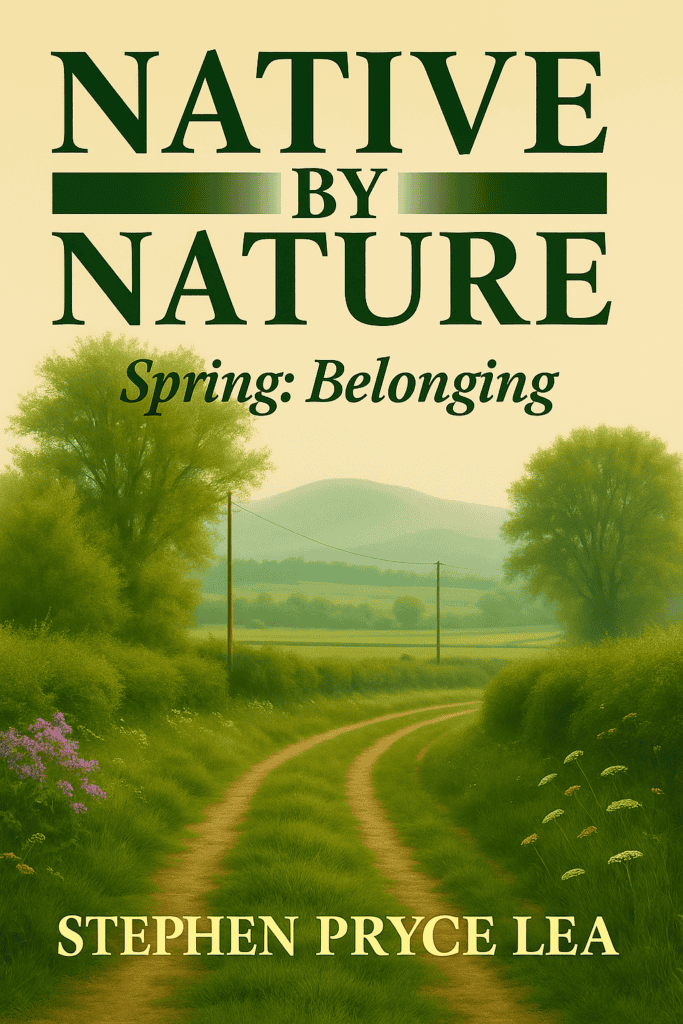
Spring: Belonging – Release date Dec 10th 2025
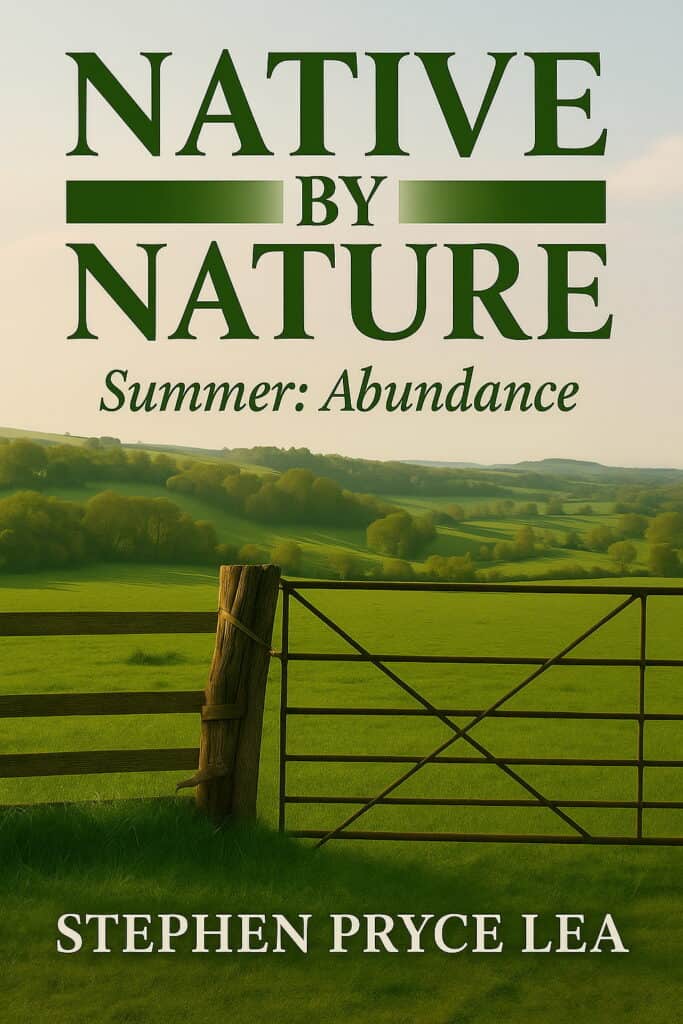
Summer: Abundance – Release date March 20th, 2026
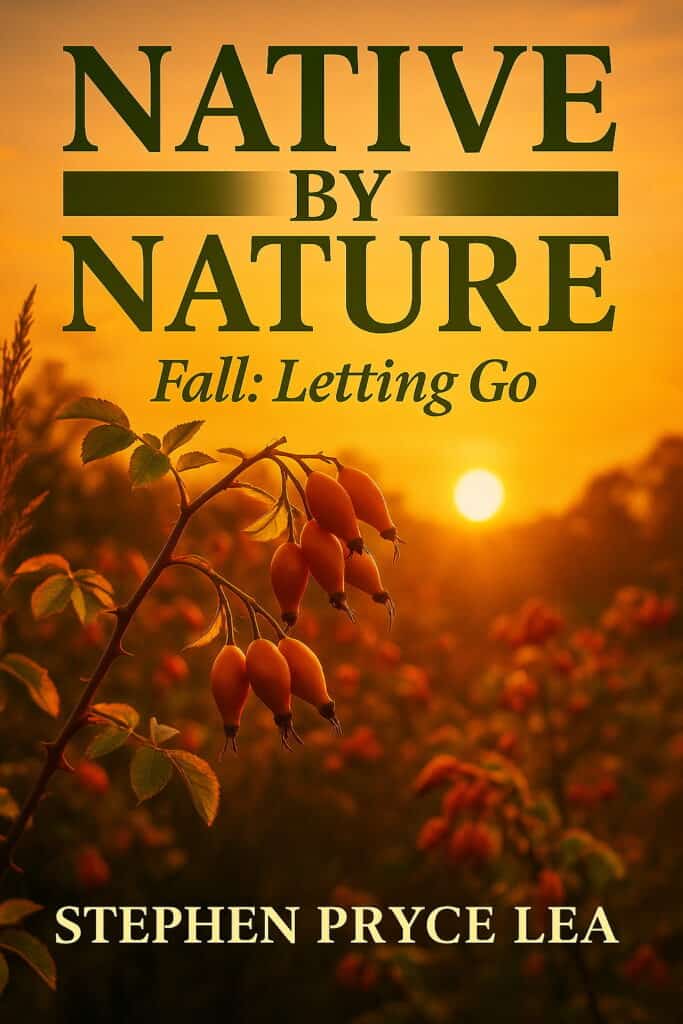
Fall: Letting Go – Release date June 21st 2026
Winter: Discernment – Release date Dec 21st 2026
Love, Light, and Belonging