How to Collect Clean and Store Native Plant Seeds
A grounded guide to gathering, preparing, and preserving life from the garden
How do you collect native plant seeds?
To collect, clean, and store native plant seeds successfully, gather seeds when they are fully mature and dry, remove excess plant material to prevent mold, and store them in cool, dry, dark conditions. Always label seeds clearly and allow them to dry completely before storage. Many native seeds also require cold stratification to germinate.
A quiet practice in continuation
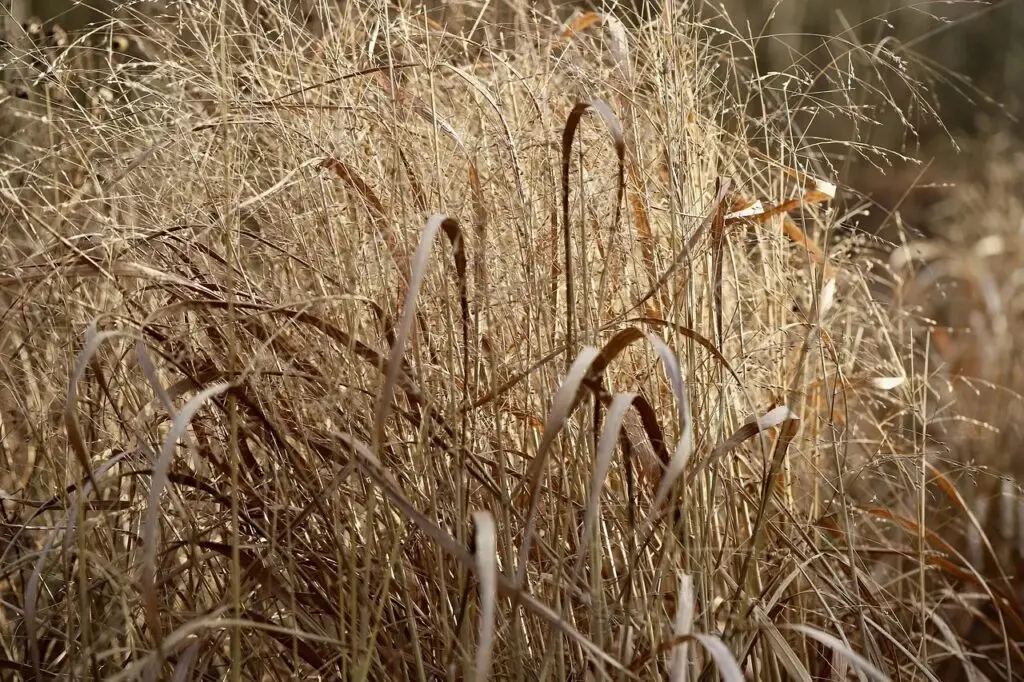
There is a moment in every season when the garden begins to let go.
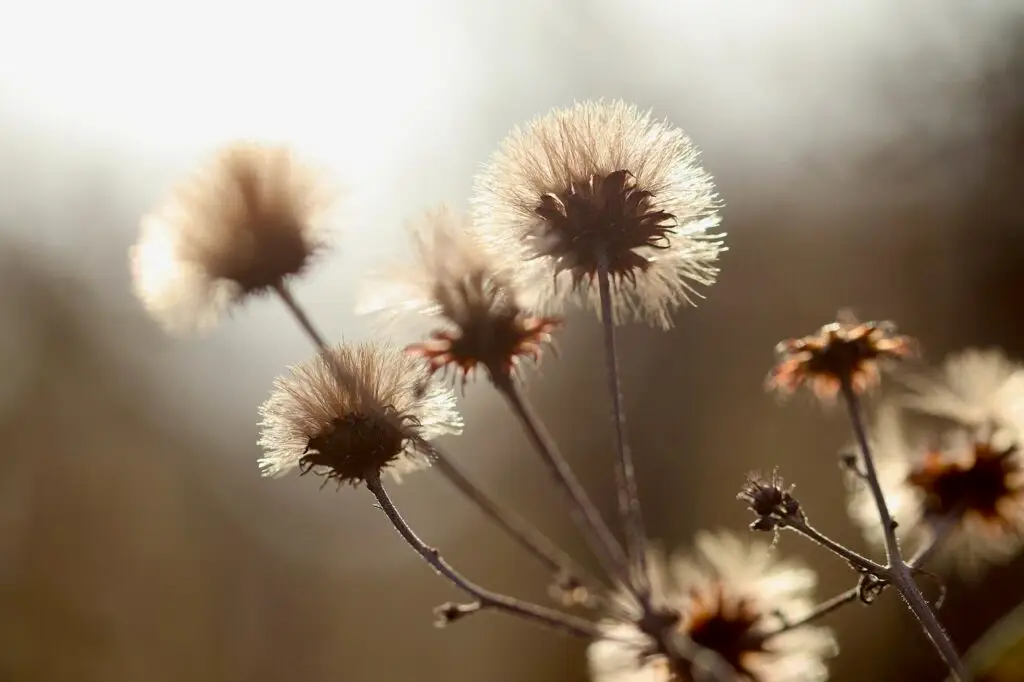
Flowers fade. Stems dry.
What once reached outward begins to return inward.
And in that quiet shift, seeds appear.
Not as an ending—but as a continuation.
To collect seed is not simply to gather. It is to take part in something already in motion.
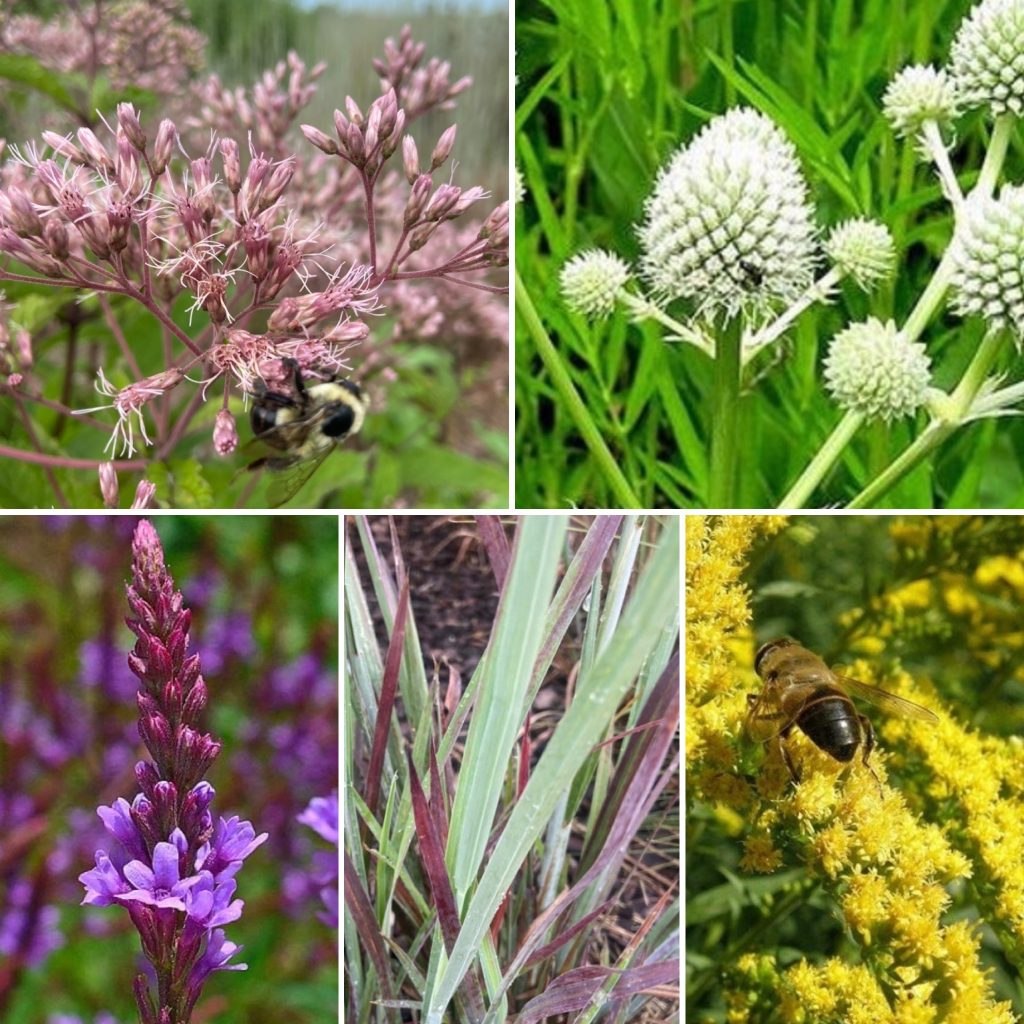
I have loved collecting seeds with memories of hedgerows full of native blooms and berries. Seeds are a great gift and a meaningful reminder of new life and regeneration. Enjoy my guide to collecting, storing, and conserving native plant seeds for wildlife and garden sustainability — and a colourful, pollinator-filled future.
Collecting, cleaning, and storing your own native plant seeds can offer many benefits, especially for gardeners, ecologists, and conservationists who want to support local ecosystems and promote sustainability.
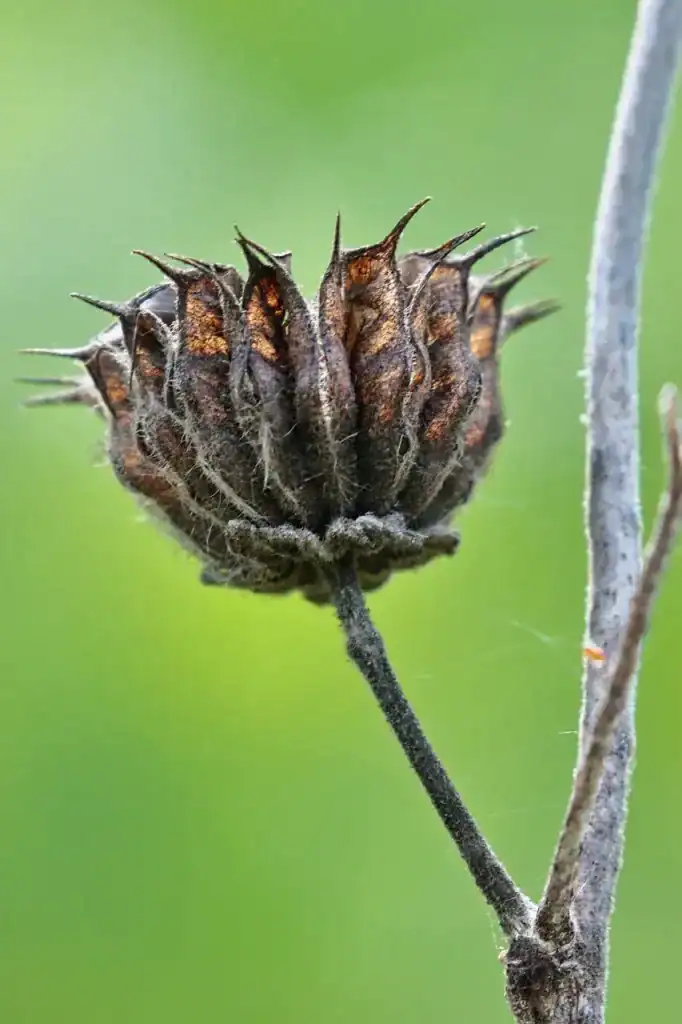
Why Collect Your Own Native Seeds
- Preserves Local Biodiversity: Collecting native seeds helps preserve local plant genetics, which are often best suited to thrive in the unique soil, climate, and conditions of a particular region.
- Supports Pollinators and Wildlife: Native plants have evolved in tandem with local species, providing them with specific resources and shelter. Collecting and planting these seeds helps create or restore habitats that benefit a wide array of native species.
- Cost-Effective and Sustainable: Harvesting seeds from existing native plants reduces the need to buy seeds or plants each year, offering a sustainable and economical way to expand gardens and natural areas.
- Promotes Resilient Plants: Seeds collected from plants that have successfully thrived in local conditions are likely to produce resilient offspring — tough and adaptable to local pests, diseases, and environmental stressors.
- Encourages Self-Sufficiency: Gathering and managing native seeds fosters a deeper connection to the natural world and gives individuals control over what grows in their gardens.
- Aids in Habitat Restoration: Native seeds can be used in rewilding efforts and habitat restoration projects, helping to establish sustainable plant communities that stabilize soil, reduce erosion, and improve water quality.
- Promotes Seed Diversity: Collecting seeds from a range of plants within a species increases genetic diversity, helping to safeguard plant populations against disease, climate variability, and pests.
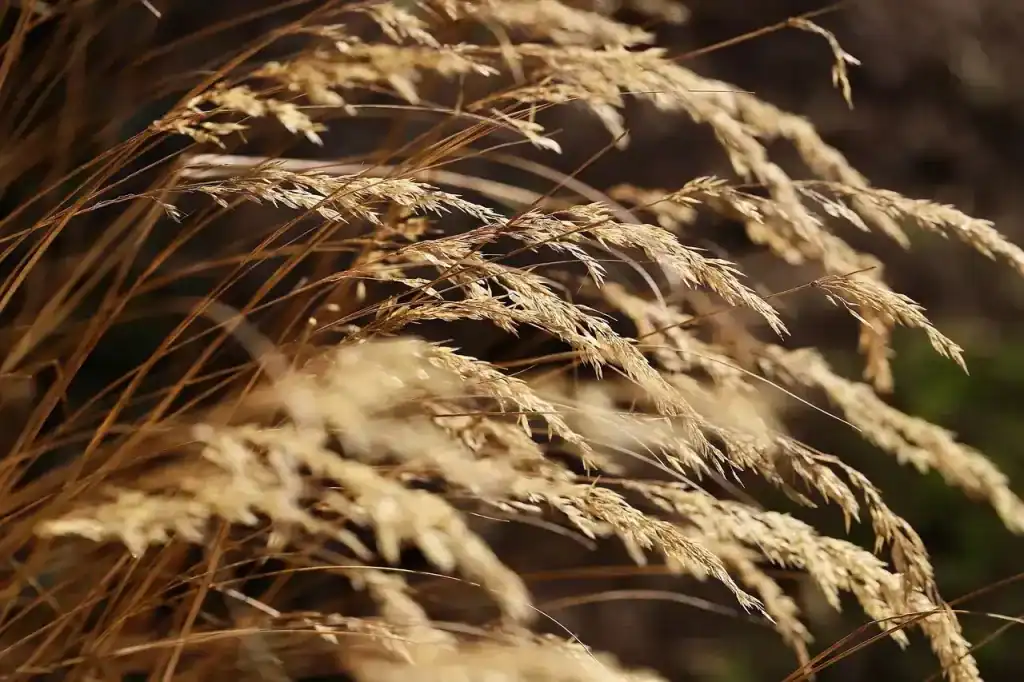
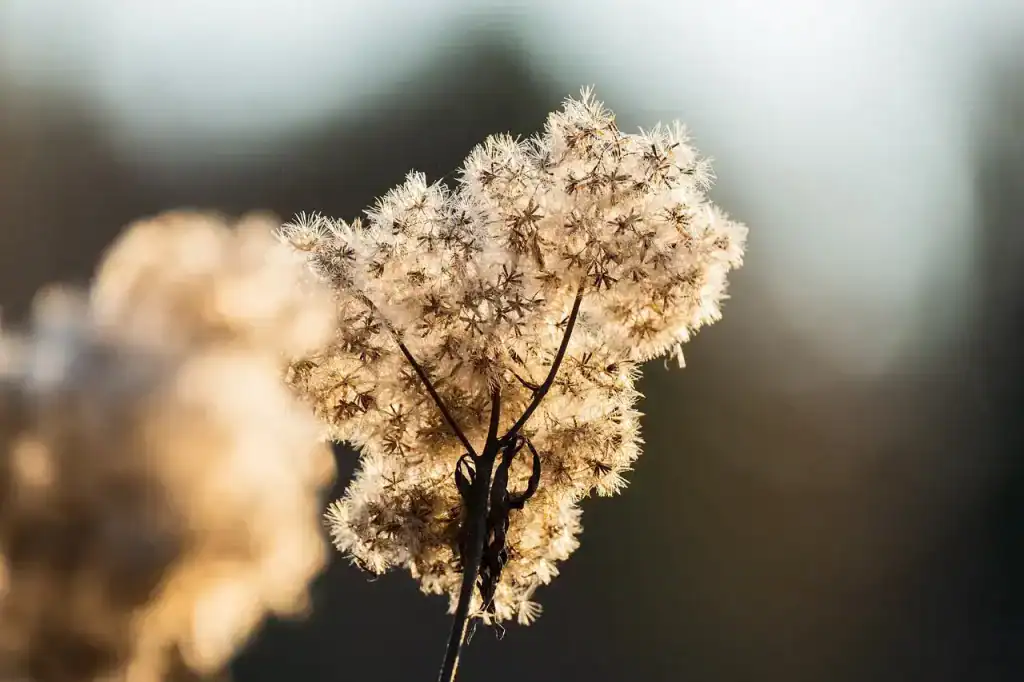
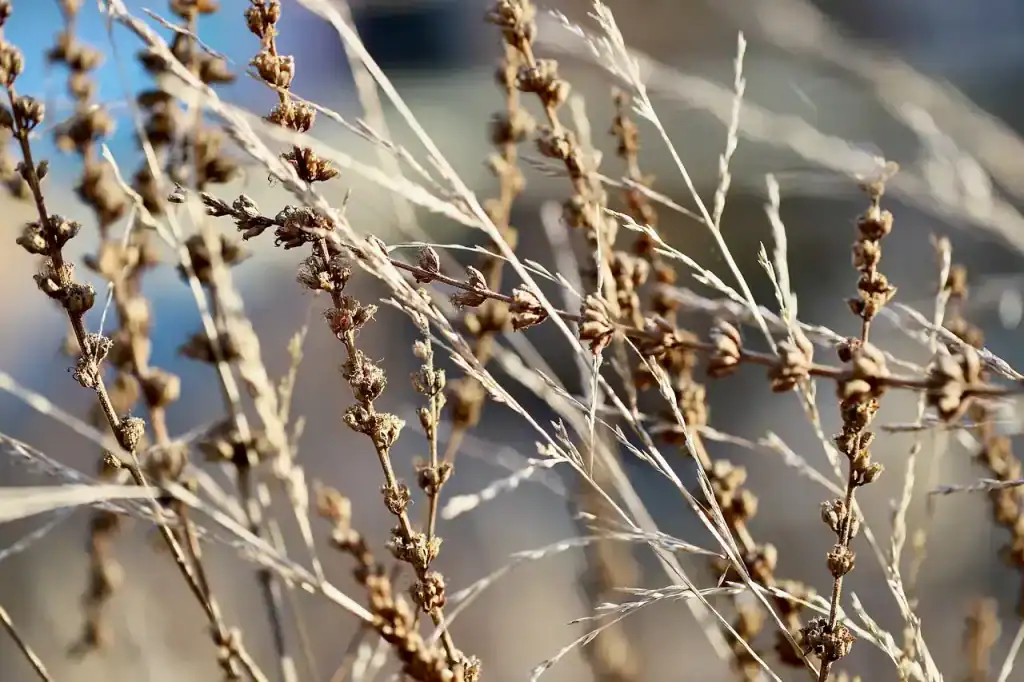
How to Collect Clean and Store Native Plant Seeds
Keep the process simple and intentional.
Use clean pruners or your hands to remove seed heads or pods
Place seeds into paper bags or envelopes (not plastic)
Label immediately with species name, date, and location
Seeds collected without care lose much of their value over time.
Tips for Collecting, Cleaning, and Storing Native Seeds
- Collection: Always collect seeds ethically, leaving enough for natural regeneration and wildlife. Choose seeds from healthy, mature plants.
- Cleaning: Remove any debris, husks, or seed coatings that could harbour mould or pests.
- Storage: Store seeds in a cool, dry place, in breathable bags or envelopes. Label each with the species name and collection date for reference.
Drying seeds properly
This is one of the most overlooked steps.
Seeds must be fully dry before storage—not just on the surface, but internally.
Spread seeds in a single layer
Place in a well-ventilated, shaded area
Allow several days (or longer if needed)
Moisture is the primary cause of seed failure in storage. Drying is not optional—it is essential.
Types of Native Plant Seeds and Storage Requirements
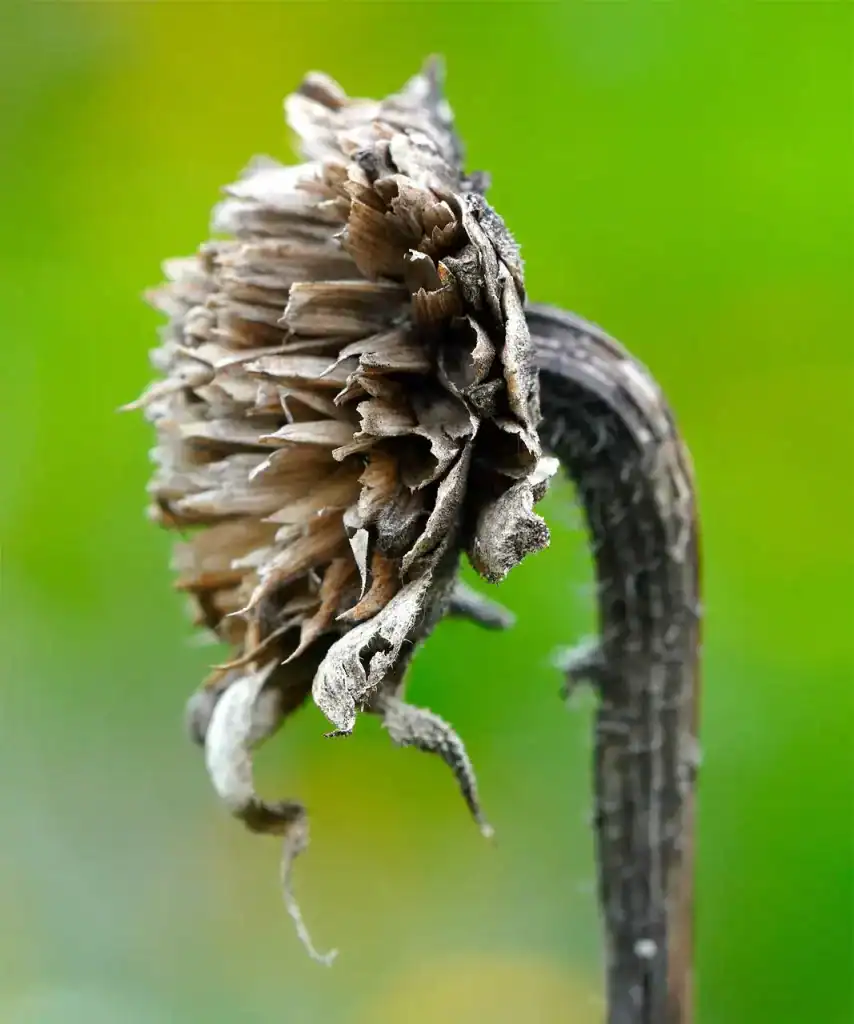
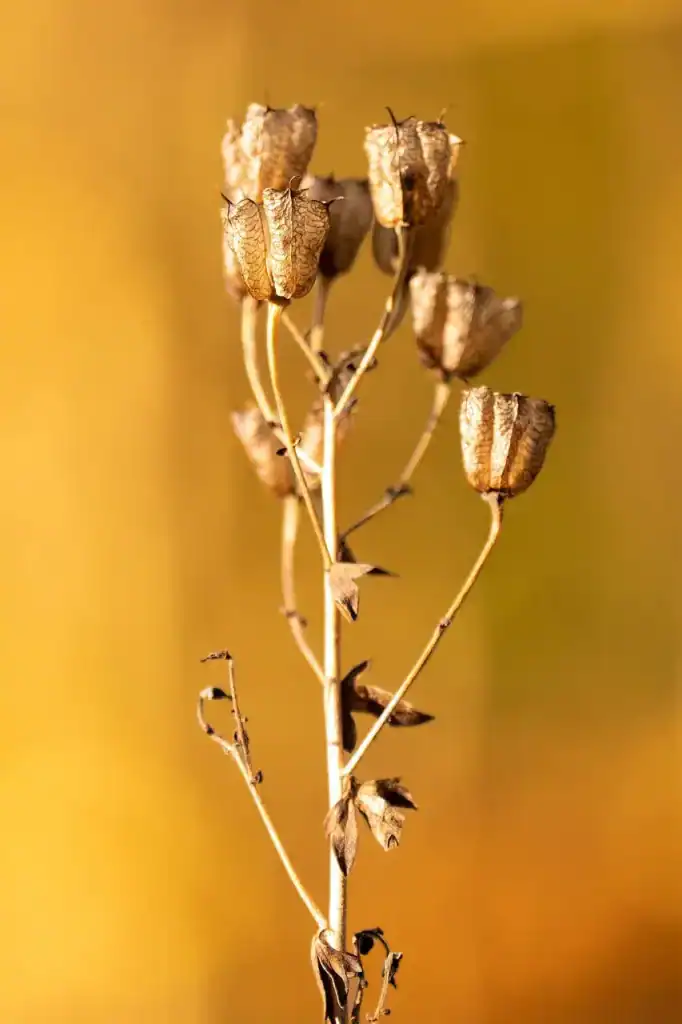
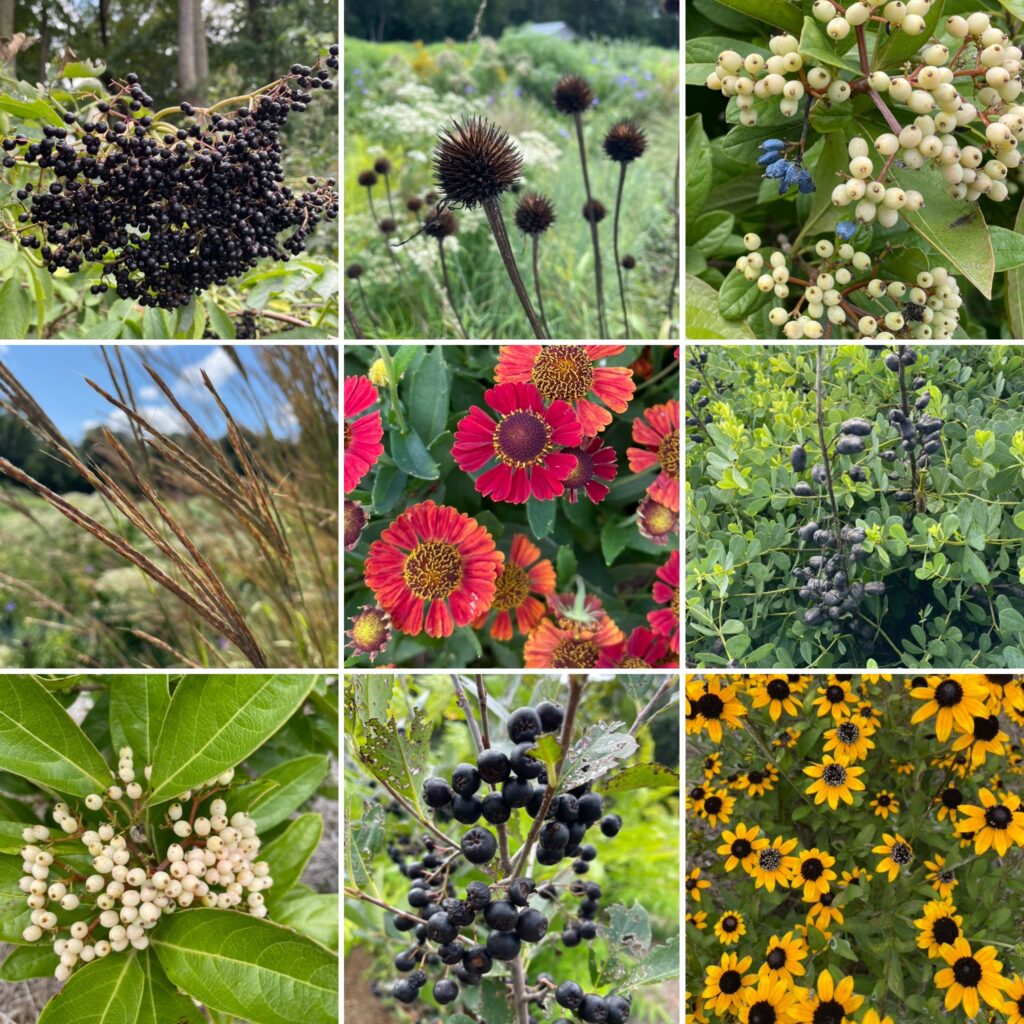
Dry Seeds (e.g., Milkweed, Coneflower, Black-eyed Susan)
Characteristics: These seeds naturally dry out on the plant before dispersal, often from plants that grow in open, sunny habitats.
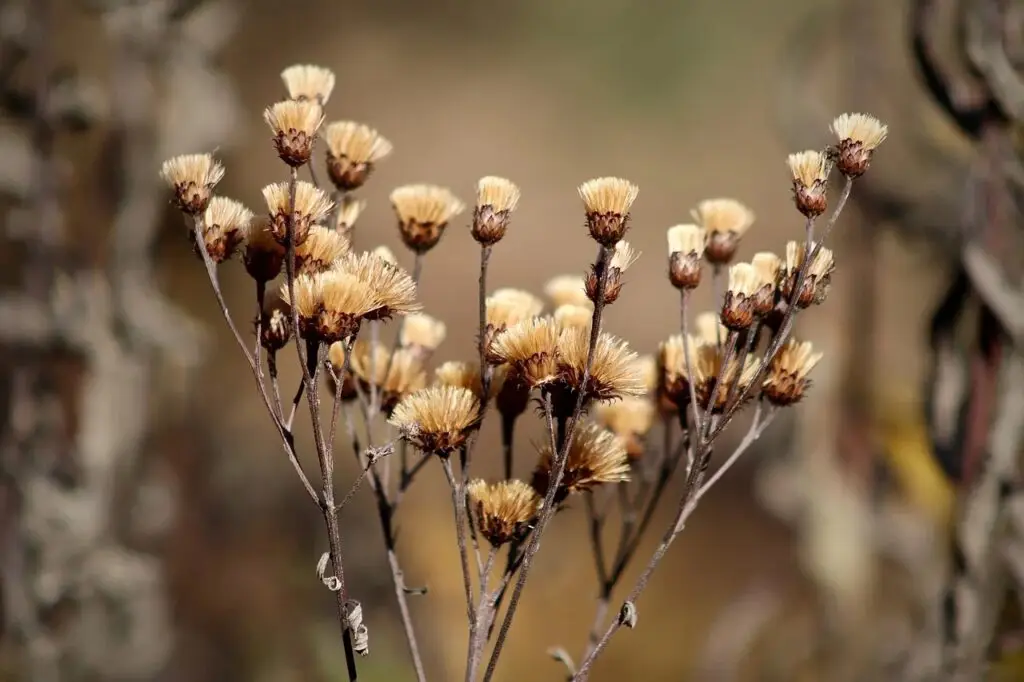
Collection: Harvest dry seeds directly from seed heads, pods, or capsules when they have turned brown or begun to split open.
Cleaning: Gently remove any chaff. Store seed heads in a brown grocery bag — for fine seed, place a paper towel in the bottom to catch small seeds. Once dry, gently shake the bag to allow seeds to fall.
Storage: Clean seeds can be stored in glassine envelopes — the perfect size for many seeds and ideal for sharing with friends. Store in a cool, dark, dry place, ideally between 32–41°F (0–5°C). The bottom drawer of a refrigerator works well.
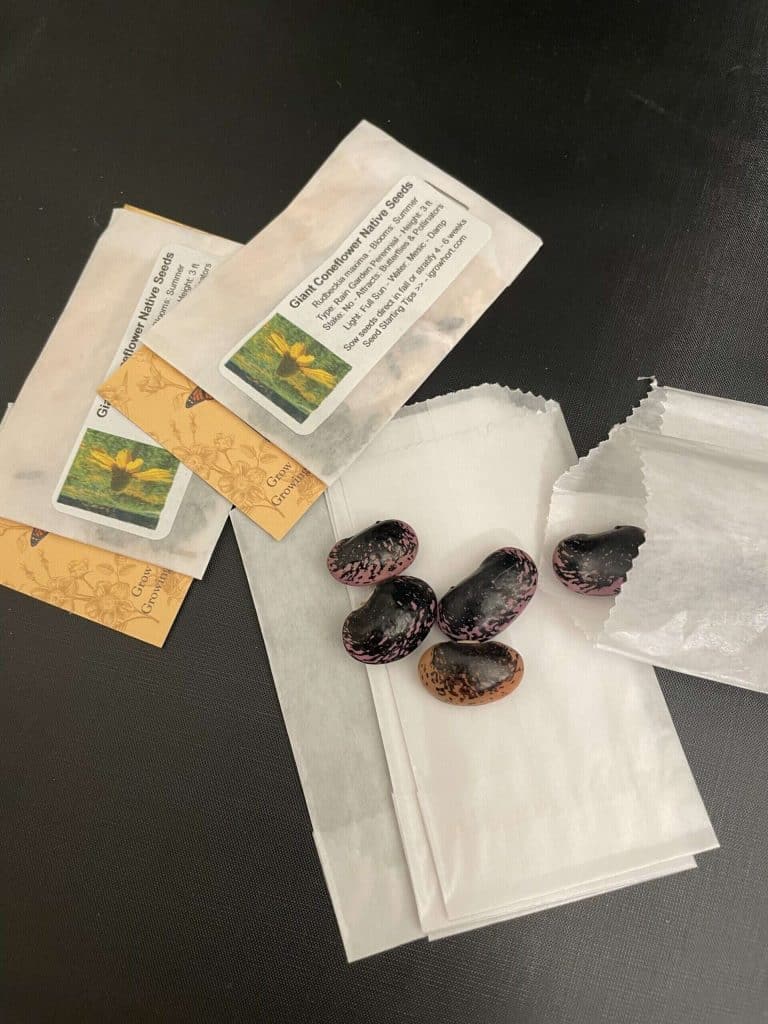
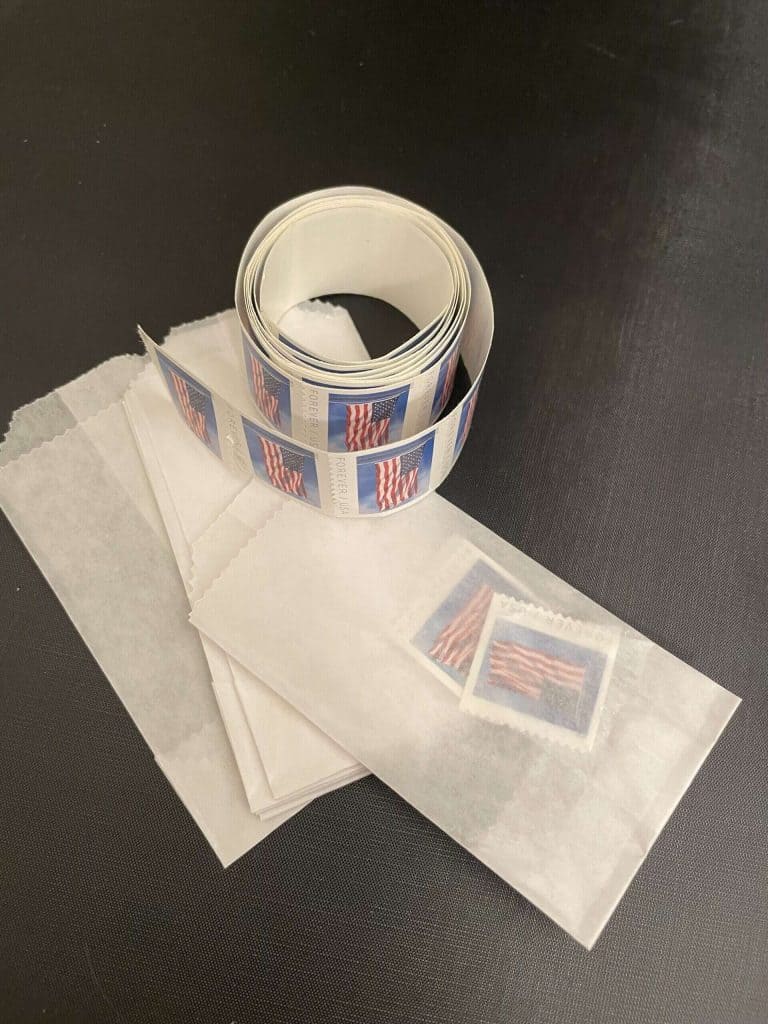
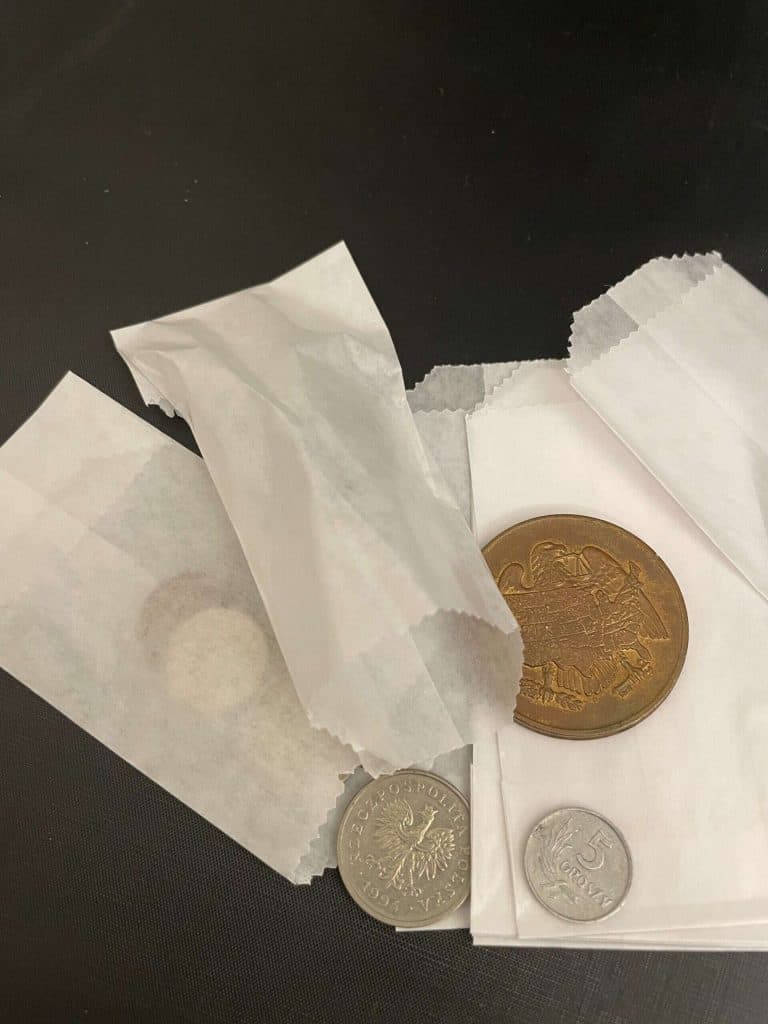
Special Notes: Cold stratification (placing seeds in moist sand or vermiculite in the refrigerator for 30–60 days) is often required to break dormancy for spring planting, especially for milkweed.
Fleshy Fruit Seeds (e.g., Viburnum, Elderberry, Serviceberry)
Characteristics: Seeds from fleshy fruits are often dispersed by animals and need to be extracted from the fruit pulp for optimal storage.
Collection: Collect ripe berries or fleshy fruits when fully mature, usually in late summer or fall.
Cleaning: Remove seeds from the pulp by soaking in water and gently scrubbing. The pulp can inhibit germination, so ensure seeds are thoroughly cleaned.
Storage: After drying, store in a cool, dry place. Seeds like serviceberry and elderberry benefit from cold stratification over winter to simulate seasonal conditions.
Special Notes: These seeds may require a warm stratification period (3–6 months) followed by cold stratification to trigger germination.
Winged or Wind-Dispersed Seeds (e.g., Maple, Ash, Sycamore)
Characteristics: Winged seeds rely on wind to scatter and are well adapted to fall in open areas.
Collection: Collect as they fall, typically in late summer or early fall. Maple samaras are easily collected when dry and brown.
Cleaning: Separate the wings if possible, though this is optional as long as the seed itself is intact.
Storage: Store in a dry, cool environment. Many wind-dispersed seeds require cold stratification (1–3 months) before planting.
Special Notes: For certain maple species, it’s best to plant fresh, as their seeds have a short viability period.
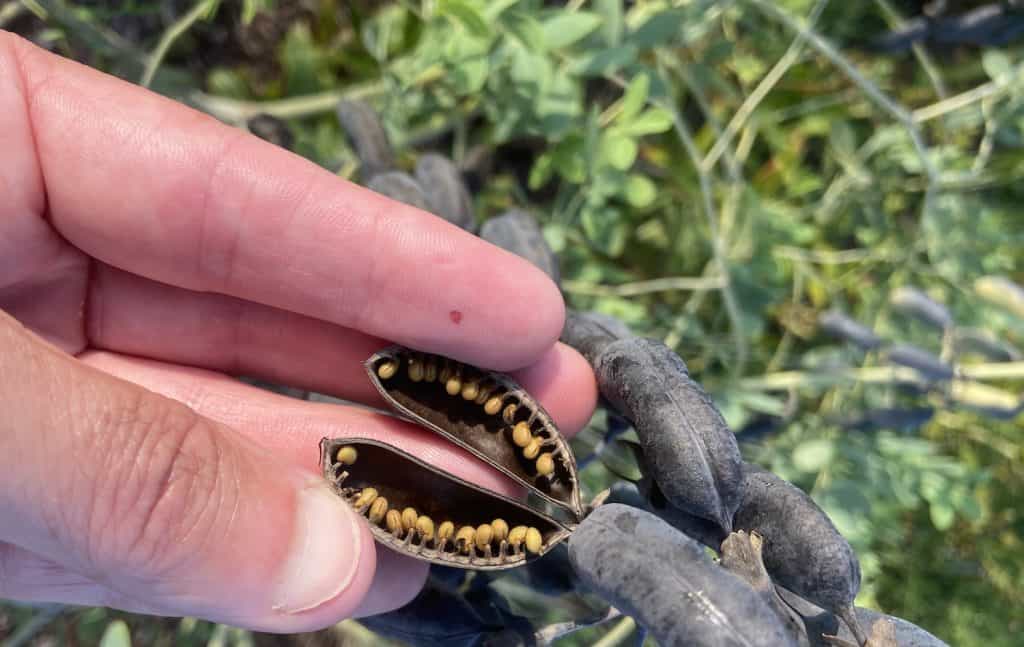
Capsules and Pods (e.g., Lupine, Penstemon, Wild Indigo)
Characteristics: Seeds from plants that form pods or capsules are typically dry and relatively easy to collect.
Collection: Gather seeds when capsules are brown and beginning to split open. Timing is essential, as these seeds can quickly fall.
Cleaning: Remove any remaining plant material, being careful to avoid damaging the seeds.
Storage: Store in a cool, dry place in a paper envelope within a larger sealed container. Wild indigo seeds may need scarification before planting to allow water to penetrate and trigger germination.
Tiny or Dust-Like Seeds (e.g., Lobelia, Cardinal Flower)
Characteristics: Some native plants produce very tiny seeds that resemble dust.
Collection: Collect from seed heads when fully dry. Shake seed heads over a paper plate or tray to catch the fine seeds.
Cleaning: Separate seeds from the chaff as much as possible. Handle carefully to avoid loss.
Storage: Store in a small sealed container with silica gel packets to maintain low moisture. Refrigeration can help prolong viability.
General Seed Storage Tips
- Labelling: Always label your seed containers with the plant species, collection date, and any special notes (like stratification needs).
- Moisture Control: Most seeds last longer if stored dry. Use silica gel packets in your storage containers to keep moisture low.
- Temperature: A consistent cool temperature between 32–41°F (0–5°C) is ideal for most seeds. Refrigerators work well for smaller quantities.
- Viability Check: Test viability by performing a simple water test — viable seeds often sink. Or plant a few to check for germination.
Seeds are not just future plants — they are living archives of local adaptation, resilience, and ecological memory.
Ethical and Sustainable Seed Collection
Seed viability varies widely among species — some native wildflowers can remain viable for several years if stored correctly, while others must be sown within a season. Beyond viability, ethical collection is essential. Here is why it matters:
There is a responsibility that comes with collecting seed. Never take everything.
Leave enough for wildlife and natural regeneration. A commonly accepted guideline is to collect no more than 10–20% of available seed from any population. Choose strong, healthy plants, and avoid collecting from isolated or struggling specimens.
This helps maintain genetic strength and ecological balance.
- Support for Wildlife: Seeds are a crucial food source for birds, mammals, and insects — particularly in fall and winter. Leaving a portion ensures wildlife has a consistent food source.
- Natural Regeneration: Seeds that fall to the ground provide the next generation of plants, maintaining genetic diversity and adapting populations to local conditions over generations.
- Balance in Ecosystems: Overharvesting can disrupt the balance between plants, animals, and insects. Collecting only 10–20% of available seeds is widely recommended.
- Conservation of Rare Species: Some native plants have limited populations. Responsible collecting prevents further depletion of vulnerable species already facing habitat loss or climate pressures.
- Ecosystem Resilience: Seeds that survive in the wild are often the hardiest and best adapted to local conditions, supporting stronger and more resilient plant communities over time.
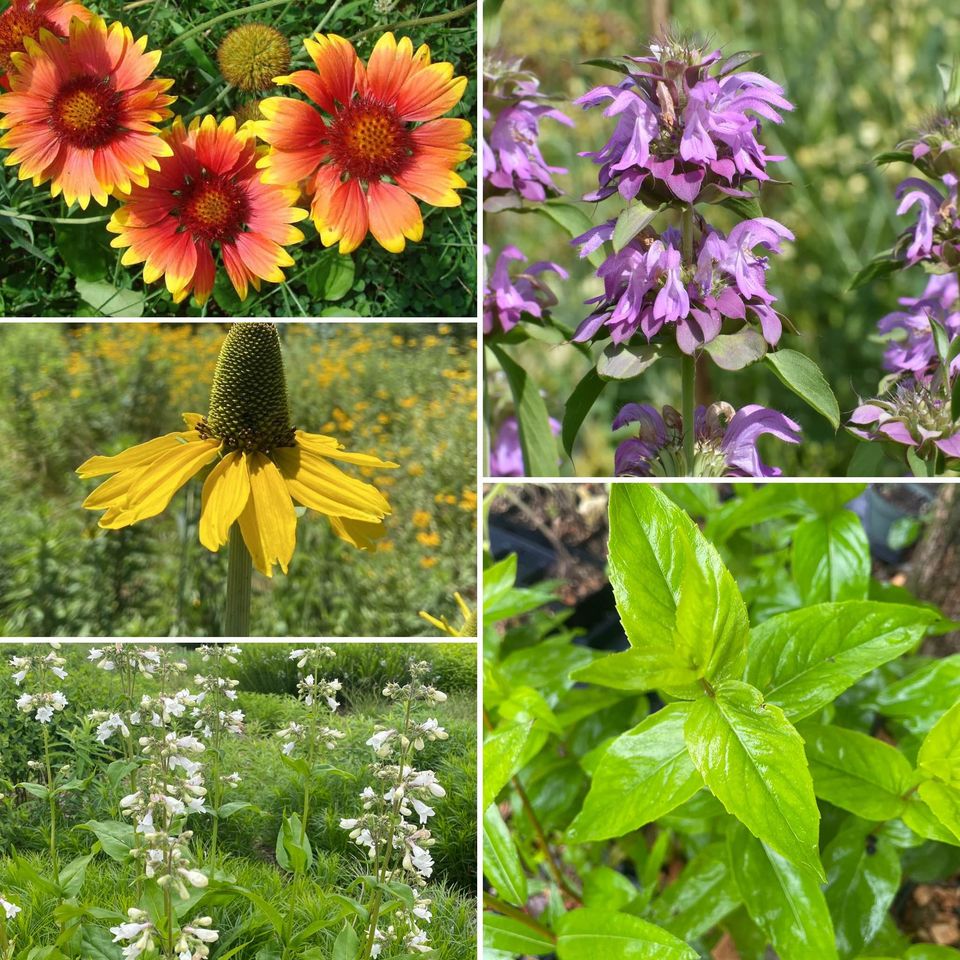
Practical Approach for Responsible Seed Collection
- Harvest seeds selectively, taking only what you need.
- Avoid collecting from every plant in a given area.
- Collect from multiple plants to ensure genetic diversity.
- Leave enough seeds to support wildlife, natural regeneration, and future generations.
Legal Guidelines for Seed Collection
- State and National Parks: Collecting seeds or any plant material is generally prohibited. Always check with park authorities if special permits are available for research or restoration projects.
- Public Lands and Preserves: On federal lands managed by the BLM or U.S. Forest Service, seed collection is often restricted. Special permits may be available for scientific or conservation purposes.
- Private Property: Always obtain explicit permission from the property owner. Unauthorized collection can be considered trespassing.
- Endangered or Threatened Species: Collection from plants listed as endangered, threatened, or protected under local, state, or federal law is strictly prohibited.
A European Perspective on Native Seed Collection
Across Europe, collecting native plant seeds has long been part of traditional horticulture and the stewardship of meadows, hedgerows, and woodland landscapes. Today, it also plays an important role in restoring biodiversity and preserving the genetic diversity of local plant populations.
Here in Podlaskie, northeastern Poland, the surrounding meadows, woodland edges, and rural hedgerows offer a wonderful opportunity to observe the natural rhythms of seed production. From the delicate grasses of summer to the seedheads of autumn, each plant contributes to the continuation of its local ecosystem.
However, native does not necessarily mean locally appropriate. A wildflower indigenous to one part of Europe may not belong in another. Understanding seed provenance — the geographical origin of collected seed — is particularly important when establishing wildflower meadows or restoring natural habitats.
A plant may be native to Europe without being naturally suited to every European landscape. Soil, climate, local genetics, and established ecological relationships all influence where a species truly belongs. I explore this distinction further in Finding What Belongs, where understanding the landscape becomes the starting point for responsible planting.
Whenever possible, choose seeds from locally appropriate populations, collect from several healthy plants to maintain genetic diversity, and record the species, location, habitat, and collection date.
Responsible Collection in Europe
Seed collection regulations vary between European countries, and additional restrictions may apply to protected species, nature reserves, national parks, and other designated conservation areas.
Successful habitat restoration depends on more than choosing native species. It requires understanding their origins, ecological relationships, and suitability for the conditions in which they will grow. This principle lies at the heart of The Right Plant – The Honest Place, where thoughtful plant selection becomes an essential part of ecological stewardship.
Before collecting from the wild:
- Obtain permission from the landowner or relevant authority.
- Check whether the species or collection site is legally protected.
- Avoid collecting from rare, isolated, or vulnerable populations.
- Take only a small proportion of available seed, leaving plenty for wildlife and natural regeneration.
- Never introduce collected seeds into sensitive natural habitats without considering their provenance and ecological suitability.
In Poland, particular care is needed around protected plants and designated conservation areas, including Natura 2000 sites. Collecting from these locations may require specific permissions, and some activities may be prohibited.
For gardeners, collecting seed from established native plants within their own gardens is often the simplest starting point, provided the species and its origins are known.
Ultimately, responsible seed collection is not about gathering as much as possible. It is about recognising what belongs, preserving what already thrives, and allowing the landscape to continue regenerating on its own terms.
Once collected, the success of native seeds depends not only on how they are stored and sown, but also on the conditions in which they establish. Healthy soil, its microorganisms, and the relationships developing beneath the surface all contribute to resilient plant communities. These hidden connections are explored in my complimentary illustrated guide, The Living Soil: A Guide to Gardening with Nature.
Closing reflection
There is something deeply human in saving seed. It asks us to think beyond the present moment.
To hold something small with the understanding that it will become something larger. And in doing so,
we begin to see the garden not as something we manage— but as something we belong to.
Resources and Further Reading
U.S. Forest Service – Seed Collection Guide for Native Plants — Detailed instructions on collecting and storing native seeds for various plant types.
Native Plant Trust — Guidance on ethical seed collection, cleaning techniques, and storage strategies. nativeplanttrust.org
Xerces Society – Seed Collection Guidelines — Specific advice for collecting seeds from pollinator plants. xerces.org
Native Seed Network – Ethical Guidelines — Sustainable seed collection practices that support native ecosystems. nativeseednetwork.org
Lady Bird Johnson Wildflower Center — Cold stratification and scarification techniques. wildflower.org
Prairie Moon Nursery — Seed stratification and planting instructions for native plants. prairiemoon.com
Seed Savers Exchange — General guidelines on storing seeds to maximize longevity. seedsavers.org
“The Seed Garden” by Lee Buttala and Shanyn Siegel — Comprehensive techniques for saving seeds, including wildflowers and native species. Available at Seed Savers Exchange.
“Bringing Nature Home” by Douglas W. Tallamy — The importance of native plants in supporting local ecosystems. Available at Amazon.
European Native Seed Producers Association – Code of Conduct – Excellent guidance covering sustainable collection, genetic diversity, local provenance and legal responsibilities.
NatureScot – Native Woodland Plant Establishment – Practical European guidance on native plant establishment, ethical seed collection and conservation considerations.
About the Author
Stephen Pryce Lea is a horticultural author and founder of iGrowHort. Through his Native by Nature series, he explores the relationships between plants, wildlife, and the landscapes we share, drawing on decades of horticultural experience and his continuing work in ecological land stewardship.
The Seven House Journal
Notes from Seven House in Podlaskie, Poland. Seasonal observations, native plants, ecological gardening and the quiet lessons of restoring a landscape. Delivered occasionally, straight from the garden.