Capturing quality close-up photos of flowers, insects, butterflies, and bees is more than just a creative pursuit; it’s an essential part of documenting biodiversity. A visit to the State Parks or Delaware Botanic Gardens, and your smartphone becomes a valuable scientific tool. With a few simple techniques, you can create sharp, detailed images that help researchers, educators, and conservationists correctly identify species during BioBlitz events and beyond.
Patience: Waiting for the Moment
Nature rarely poses on command. Insects shift, flowers sway, and light changes by the second. The best images come from slowing down—watching how sunlight slides across a flower’s petals or how a butterfly moves from bloom to bloom. Take a few moments to observe before you lift your camera; your patience will translate into images that feel alive and intentional.
Framing: Guiding the Eye
Framing is the photographer’s silent storyteller.
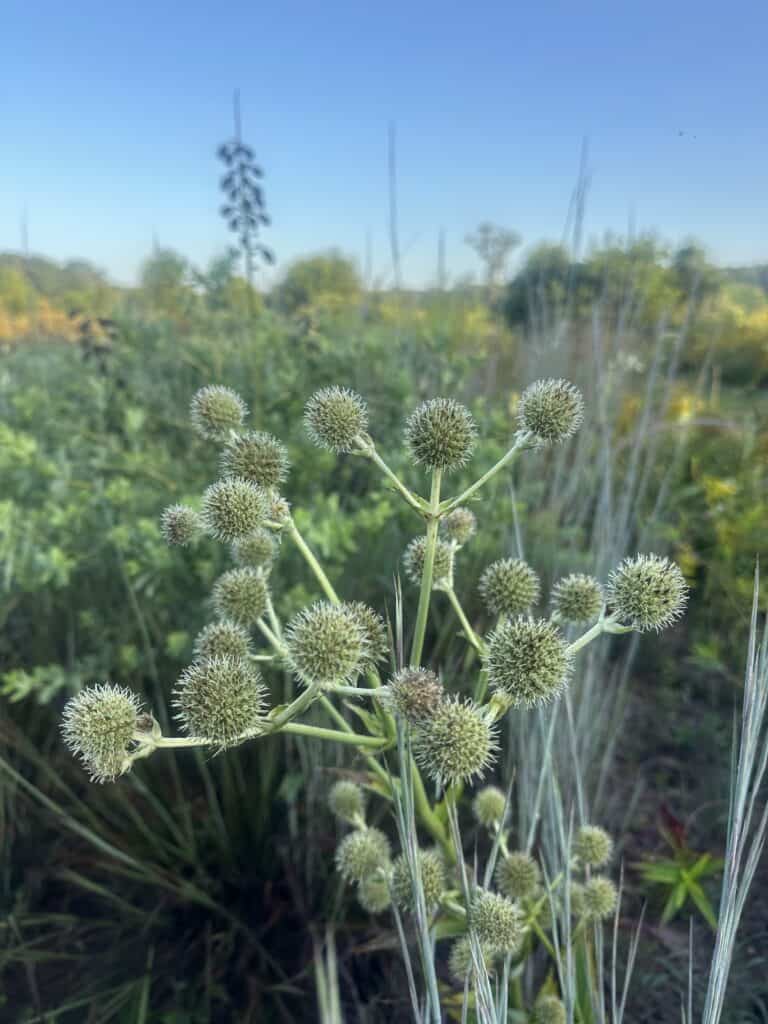
- Foreground and Background – Think about what sits behind your subject. A messy background can distract, while a complementary one can elevate the scene. In your garden, you might step a few inches to the left so that a clear blue sky forms the backdrop instead of a shadowy thicket.
- Leading Lines – Use natural elements—stems, paths, or the curve of a leaf—to draw the viewer’s eye toward your focal point.
- Rule of Thirds – Many smartphones allow you to turn on a grid. Positioning your subject off-center can create balance and movement within the frame.
Light: Painting with the Sun
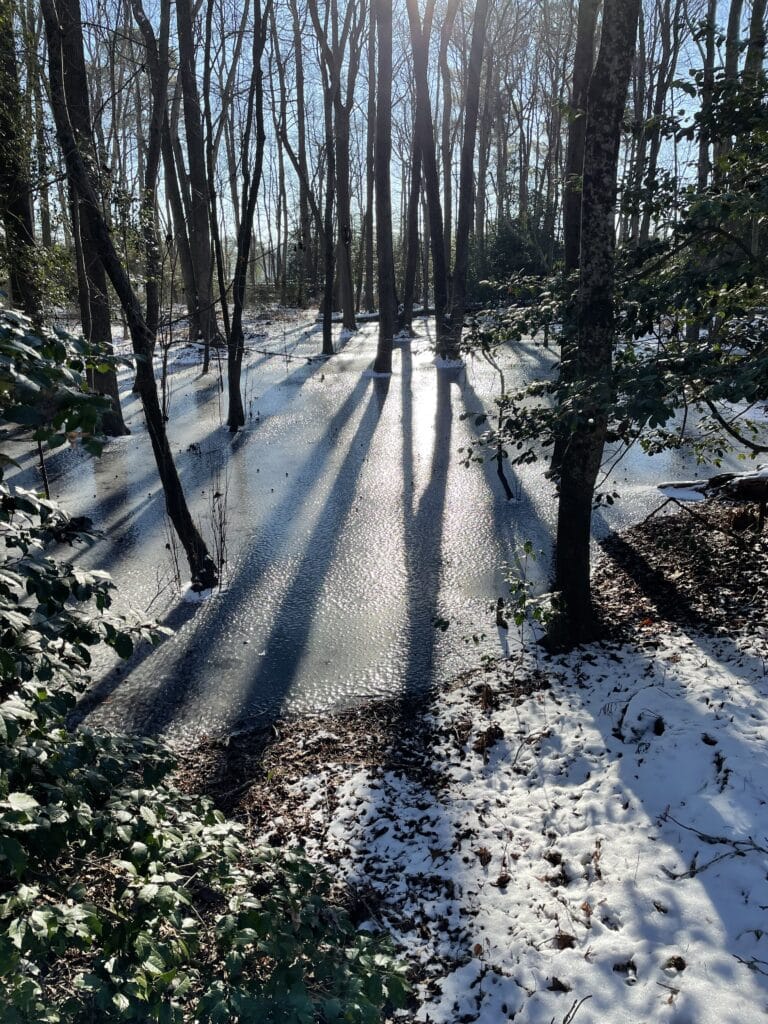
The golden hours—shortly after sunrise and before sunset—are nature’s gift to photographers. At these times, light is softer, warmer, and casts gentle shadows that add depth without harsh contrast. For midday shots, use diffused light (a thin cloud cover or positioning yourself so the subject is in even shade) to avoid blown-out highlights.
Angles: Change Your Perspective
Focus and Depth
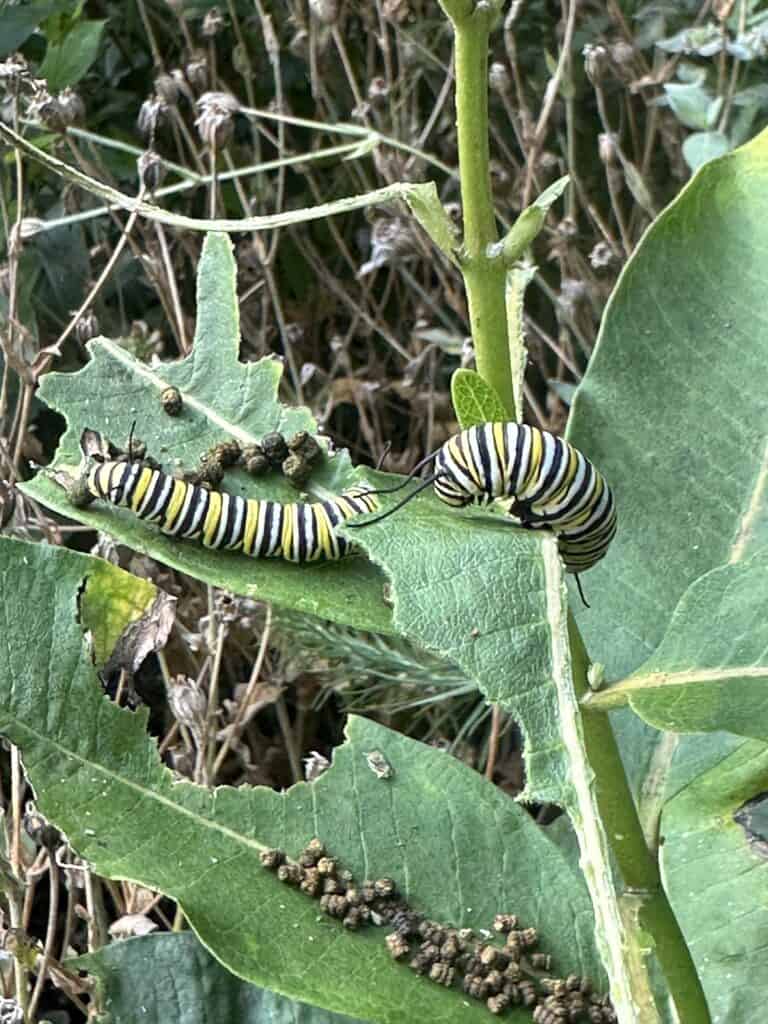
Modern smartphones allow you to tap on the screen to set your focal point. Use this to ensure the most important detail, whether it’s a bee’s wing or the tip of a flower spike, is razor sharp. Explore portrait mode or adjust depth-of-field settings to softly blur the background and make your subject stand out.
Composition Through Contrast
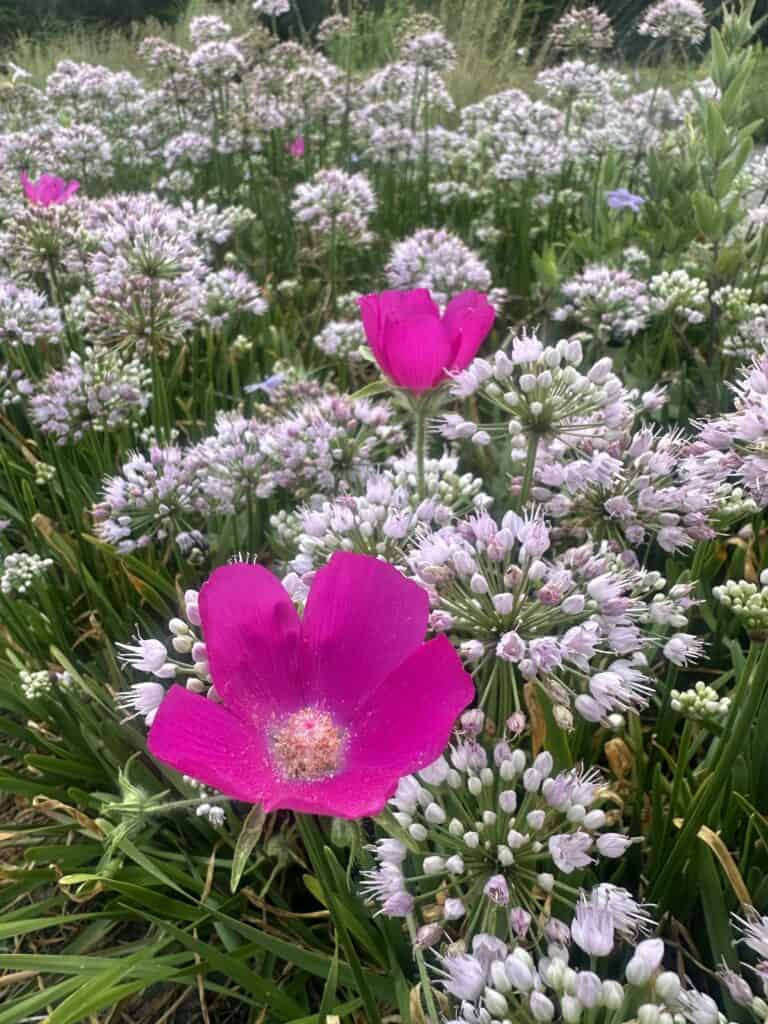
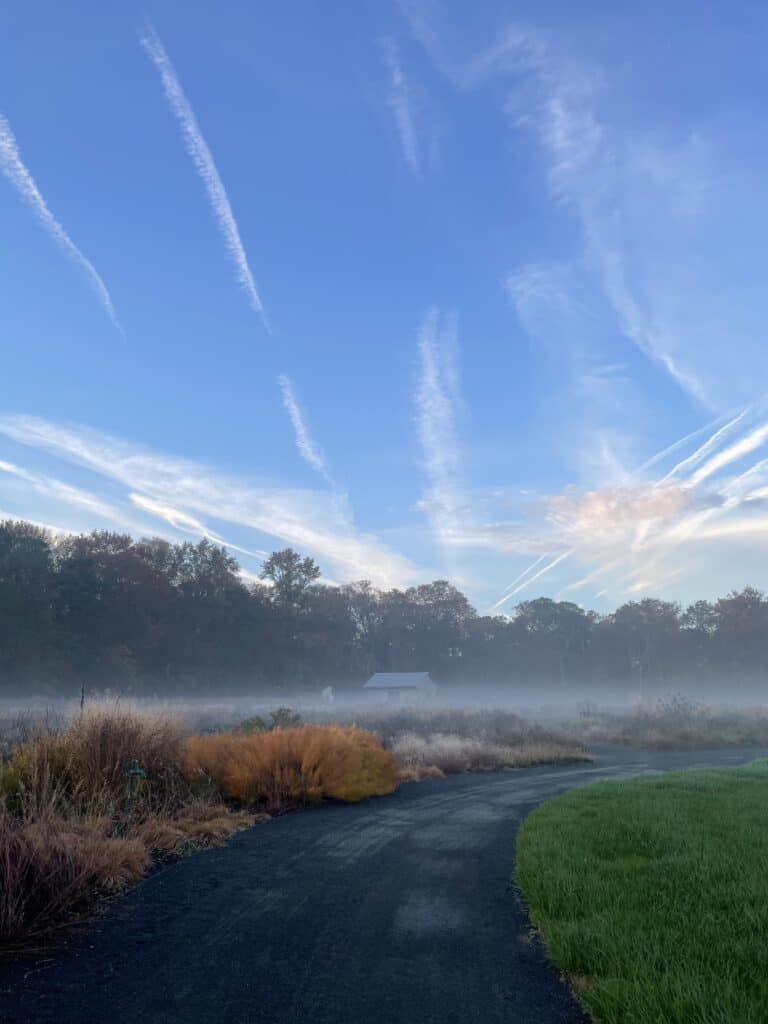
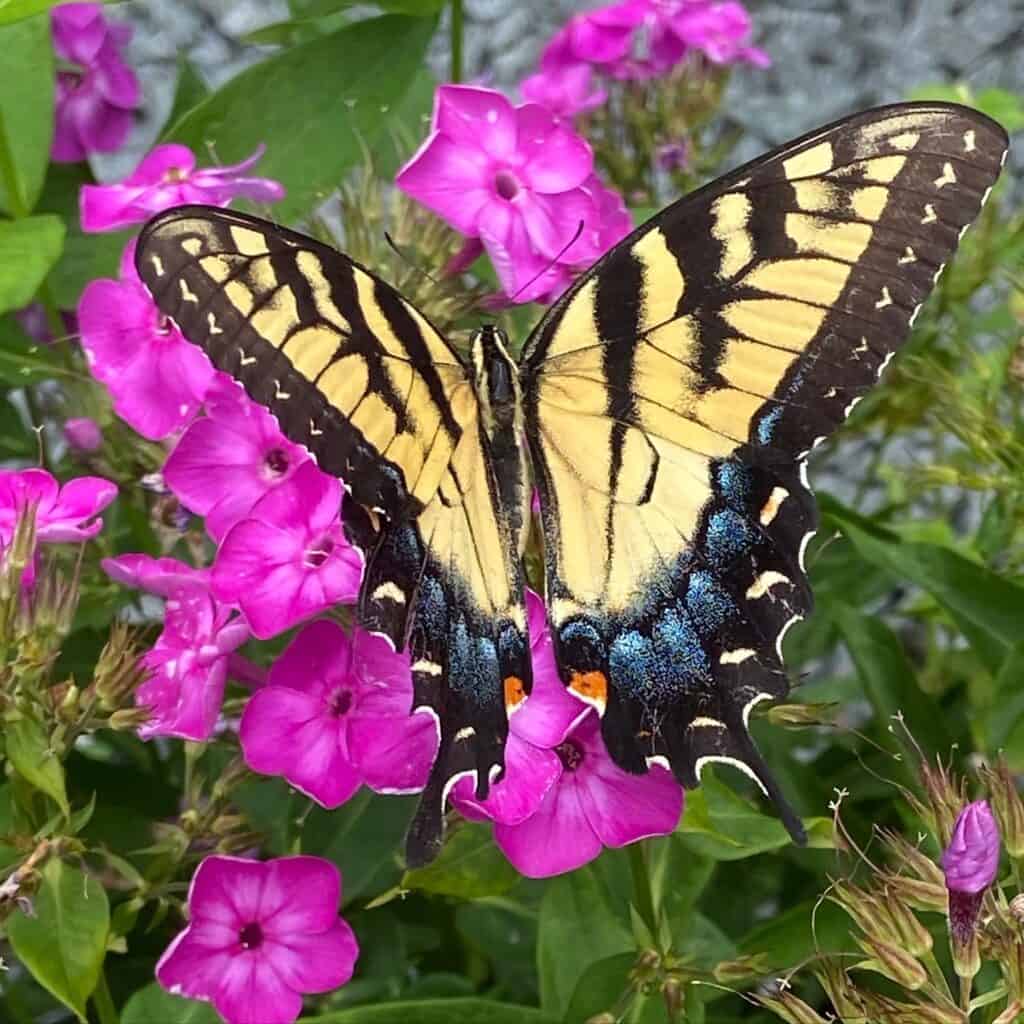
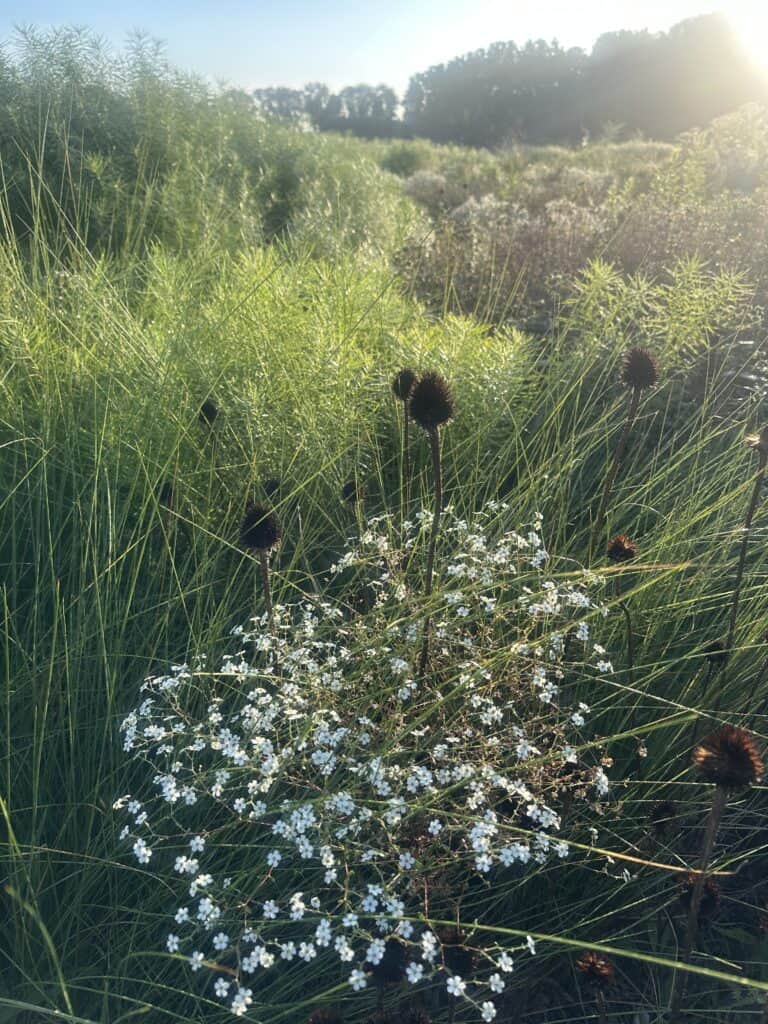
Play with contrasts: color, texture, and shape. A hot-pink flower among pale blooms becomes an instant focal point. Seed heads silhouetted against the low sun create drama. Smooth butterfly wings next to jagged leaves tell a tactile story.
Respect for Your Subject
While getting close is important for detail, avoid disturbing wildlife or damaging plants. Zoom with your feet when possible, and if you must use digital zoom, steady your phone against a solid surface to reduce blur.
Editing with Intention
Post-processing is like seasoning a meal, enhance, don’t overwhelm. Adjust brightness, crop to strengthen composition, and fine-tune colors so they reflect what you saw in person. Over-editing can strip away the authenticity of the scene.

In the end, a quality image isn’t just about technical skill; it’s about connection. When you frame a shot with care, you invite the viewer to pause, notice, and appreciate the intricate details they might otherwise walk past. In that way, photography becomes both a personal meditation and a form of ecological storytelling.
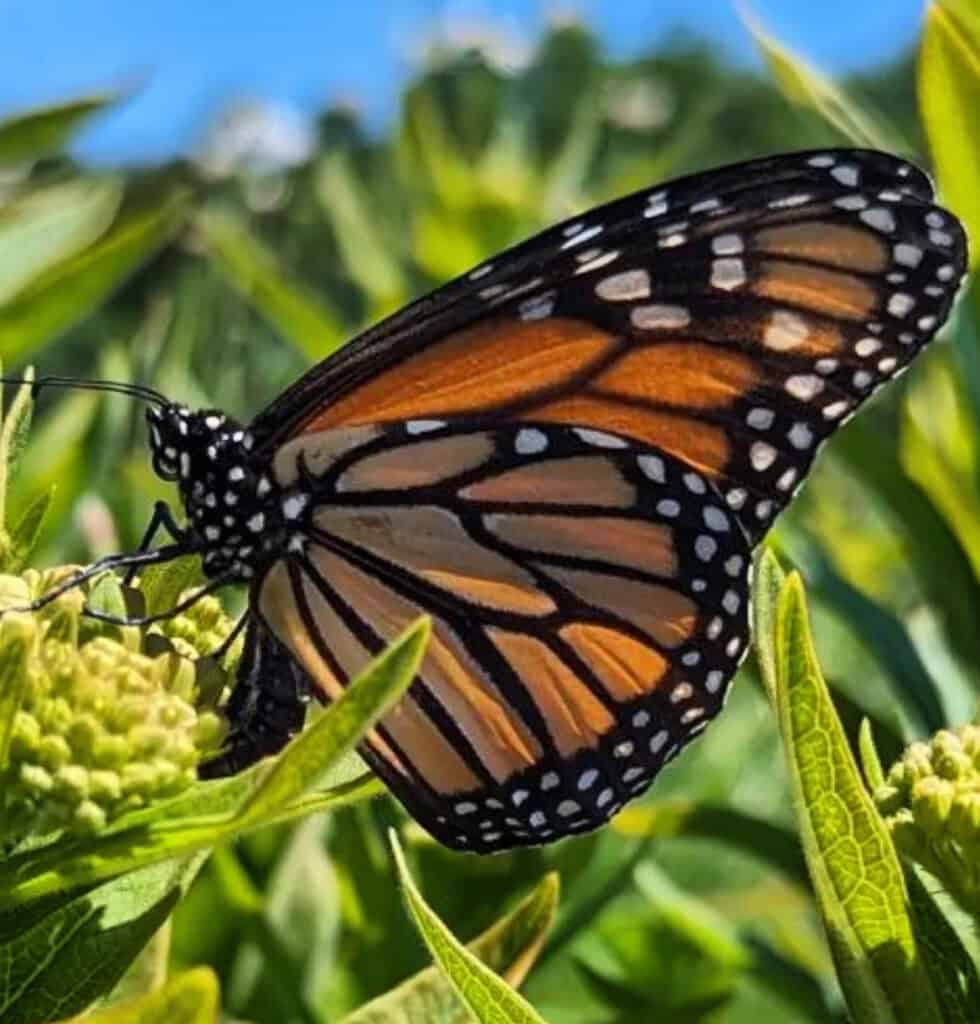
The next time you’re out among the flowers or watching a monarch prepare for its 4,000-mile migration, remember: slow your breath, study the light, frame with purpose, and let your smartphone become your brush in nature’s living canvas.
7 Tips to Get You Sharing Great Photos Fast
1. Prepare Your Phone
- Clean the lens – A quick wipe removes fingerprints and blur.
- Enable gridlines – Helps center or align your subject for better composition.
- Turn off flash – Use natural light to preserve colors and avoid glare.
- Use macro mode (if available) – For extreme close-ups with detail.
2. Getting Close – Without Disturbing
- Move slowly and avoid casting your shadow over insects or blooms.
- “Zoom with your feet” rather than using digital zoom for sharper detail.
- For bees and butterflies, take multiple shots as they move—use burst mode.
3. Framing Your Subject
- Fill the frame with the main subject, but keep part of the plant or habitat visible for context.
- Place the subject off-center (rule of thirds) for a more natural look.
- Avoid busy backgrounds—shift your angle for a clean backdrop.
4. Lighting for Detail
- Best light is early morning or late afternoon (“golden hour”).
- For midday sun, use your body or another object to shade the subject slightly.
- Tap the screen to focus, then adjust exposure by sliding up or down.
5. Show Key Features
- Plants – Capture flowers, leaves, stems, and any seed pods or fruit.
- Insects – Photograph from above and from the side to show body shape and markings.
- Butterflies & Bees – Wings open and closed if possible; note the flower they’re feeding on.
6. Take Multiple Shots
- One close-up for detail.
- One wider shot showing the plant in its environment.
- Any unique features (spots, patterns, unusual leaves, flower shapes).
7. Uploading to iNaturalist
- Ensure GPS/location services are on for accurate mapping.
- Add clear notes if the subject is rare, unusual, or showing unique behavior.
- Submit multiple angles when possible for easier ID.
Tip: The more detail you provide visually, the more valuable your record becomes for science and conservation. Patience, steady hands, and mindful framing will make your contributions shine.
Every photo you take is a snapshot of nature’s story. By focusing carefully, considering light and background, and capturing multiple angles, your observations become part of a larger record that supports science and conservation. With patience and practice, your smartphone can help reveal the beauty and importance of the plants and wildlife that call our gardens home.