Trees that Hold the Landscape Together.
Sussex County, Delaware, is home to a remarkable variety of native trees, from towering oaks and loblolly pines to black gum, American holly and sweetbay magnolia. Choosing the right species can strengthen local biodiversity, provide food and shelter for wildlife, and create landscapes better suited to the region’s coastal plain conditions.
Among the most valuable choices are black oak (Quercus velutina), southern red oak (Quercus falcata), black gum (Nyssa sylvatica) and willow oak (Quercus phellos). Each supports important ecological relationships, but their suitability depends on soil moisture, drainage, exposure and available growing space.
Sussex County is not one uniform landscape. Its sandy uplands, woodland margins, freshwater wetlands and coastal environments present different growing conditions. A tree suited to an inland forest may struggle with direct salt spray or prolonged flooding.
This guide explores ten native trees, their ecological contributions and the conditions in which they are most likely to thrive. It also offers a practical approach to choosing trees based on the land itself.
The principle is simple: the right native tree, planted in the right place, can support generations of life.
What are the Best Native Trees for Sussex County, Delaware?
The best native trees for Sussex County, Delaware are species adapted to coastal soils, wetlands, and upland forests, including oaks (Quercus spp.), black gum (Nyssa sylvatica), sassafras (Sassafras albidum), and sweetbay magnolia (Magnolia virginiana). These trees support wildlife, stabilize soil, and help maintain resilient, self-sustaining ecosystems.
Native trees are the backbone of Delaware’s coastal ecosystems, providing food, shelter, and breeding grounds for countless species of birds, pollinators, and other wildlife. In Sussex County’s coastal region — where salt air, sandy soils, strong winds, and seasonal flooding can challenge many plants — selecting the right native species ensures both ecological value and long-term resilience.
A Landscape Shaped by Water, Wind, and Time
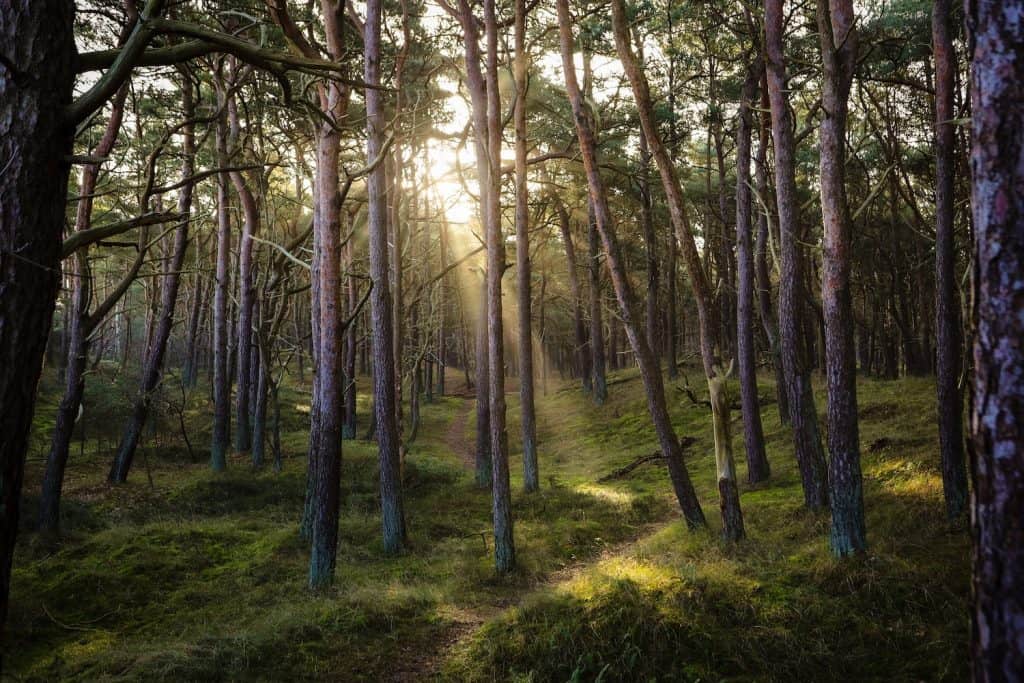
Our coastal lands are not a uniform place.
The land shifts.
From coastal edge to inland field
From sandy upland to saturated wetland
From managed ground to fragments of something older
Nearly a quarter of the county is water, and much of the rest is shaped by it—through marshes, floodplains, and forested lowlands.
The trees that belong here are not chosen for beauty alone. They are chosen because they endure these conditions—and support everything around them.
The following trees are more than just landscape features. They are keystone species that sustain entire food webs, protect against erosion, and create vibrant, self-sustaining habitats. Planting them in gardens, parks, and restoration projects helps strengthen biodiversity and safeguard the natural beauty of our shoreline for future generations.
The Top 10 Native Trees
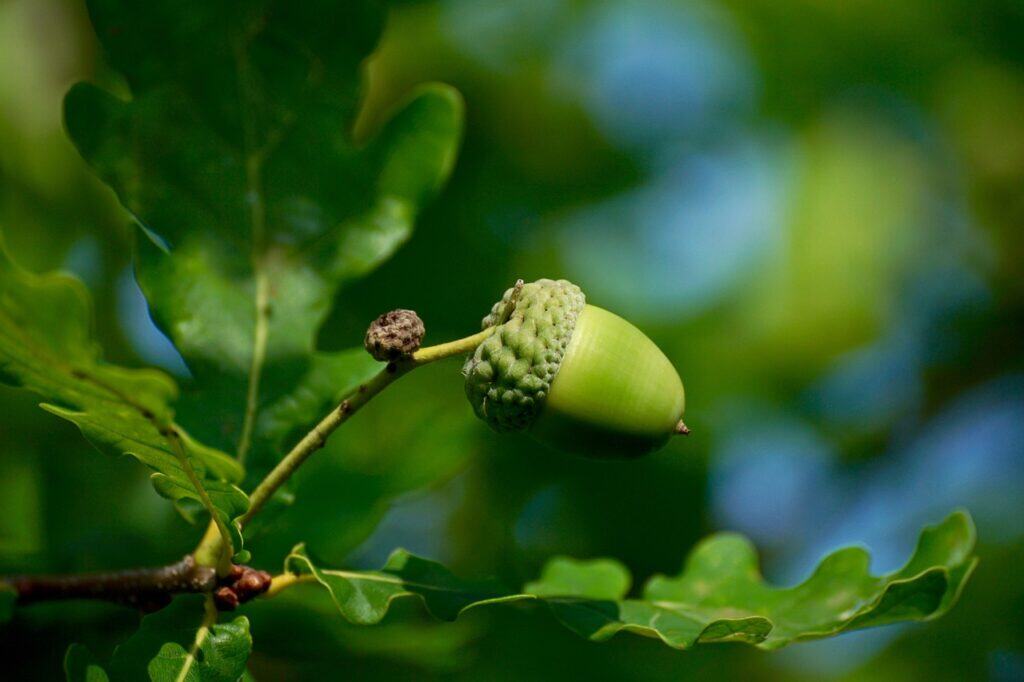
Black Oak (Quercus velutina): A tree of dry, sandy uplands. ★★★★★ Keystone
Dry, sandy uplands often look sparse—but this is where Black Oak quietly anchors entire systems. Like all oaks, it supports hundreds of caterpillar species, feeding birds, insects, and mammals. Its acorns sustain wildlife through autumn and winter.
This is not just a tree—it is a foundation species. It does not rush, but over time becomes one of the most ecologically valuable species you can plant—supporting hundreds of insect species and the birds that depend on them.
Top-rated host for 100’s of species of caterpillars. Acorns feed birds and mammals; leaves support specialist insects. Thrives in dry, sandy soils and well-drained uplands. Plant one and feed many.
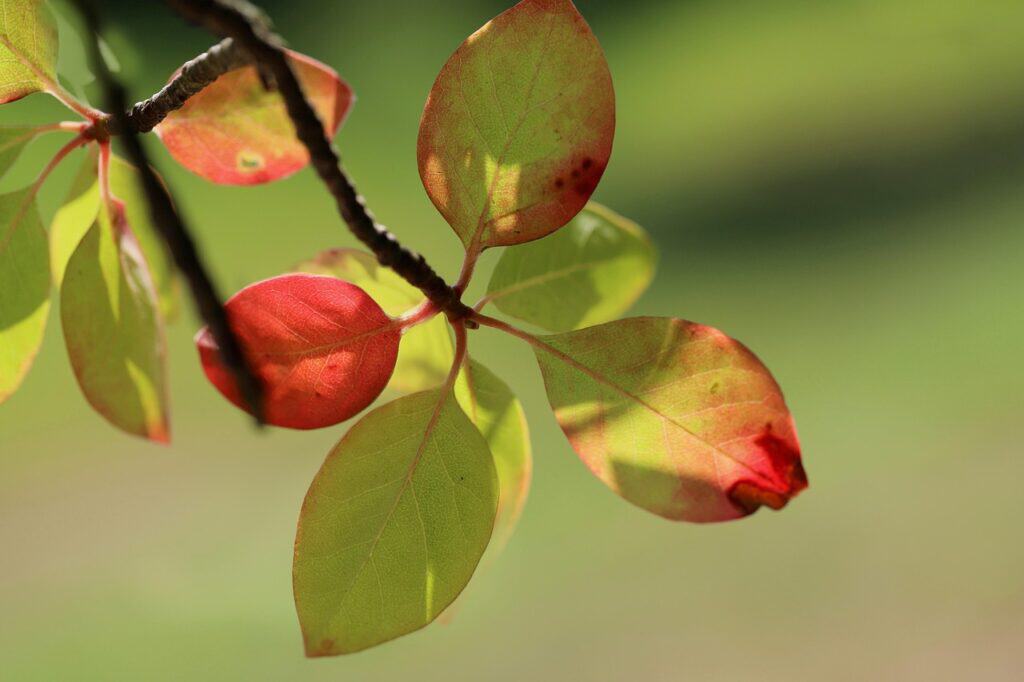
Black Gum (Nyssa sylvatica): A tree that understands water. ★★★★☆ High Value
Adaptable to both moist and dry conditions. Black Gum plays a critical role in floodplain and transitional habitats. Its flowers support pollinators, and its fruit feeds birds deep into the season. Strong structural value in dynamic landscapes.
It tolerates flooding, poor soils, and coastal conditions, while offering nectar for pollinators and fruit for birds. And in autumn, it becomes one of the first to turn—deep red, almost luminous. High pollinator value with nectar-rich flowers that feed native bees, and fall fruits that nourish migratory birds. Tolerates periodic flooding, salt air, and poor soils. One of the first trees to turn bright red in autumn.
Southern Red Oak (Quercus falcata): A tree of resilience. ★★★★★ Keystone
Thriving in poor, well-drained soils, this oak extends the reach of keystone ecology into harsher environments. Like Black Oak, it supports a vast web of insect life and provides essential mast for wildlife. A resilient backbone for degraded or sandy sites.
Hot, dry, exposed ground—this is where it holds. Its deep roots and drought tolerance make it essential in coastal and upland systems. High caterpillar host rating — important for butterflies, birds, and mammals. Handles hot, dry coastal soils. Deep roots and drought tolerance make it ideal for tough spots.
Sassafras (Sassafras albidum): A tree that feels almost familiar, even if you’ve never planted it. ★★★☆☆ Moderate to High Value
A more subtle contributor, but important. Sassafras supports specialist insects and offers early nectar sources for pollinators. It also plays a role in transitional woodland edges. Not a dominant tree—but an important suckering tree species.
Three-lobed leaves, early flowers, and a quiet role as a host for specialist insects and birds.
It belongs to edges—woodland margins, light-filled spaces. Host to spicebush swallowtail caterpillars. Small fruits support songbirds; early spring blooms feed native bees. Does well in sandy, acidic soils and light woodlands. Beautiful three-lobed leaves and bright fall colours.
American Holly (Ilex opaca): Evergreen structure in a shifting landscape. ★★★☆☆ Moderate Value
An evergreen anchor in winter landscapes. Its berries provide critical food for birds when little else is available, and its dense structure offers shelter. While it doesn’t support large numbers of insect species, its seasonal importance is high.
It provides winter shelter and food for birds when little else does, making it a critical species for seasonal continuity. Critical winter food source — evergreen cover for nesting birds; berries feed over 20 bird species. Excellent as an understory tree or opart of a mixed woodland-edge has some salt spray tolerance, for windbreaks and as an understor tree.
Willow Oak (Quercus phellos): A tree of wetter ground. ★★★★★ Keystone
A wetland-adapted oak that brings full keystone function into moist and sandy soils. Its fine-textured leaves may appear delicate, but its ecological contribution is immense—supporting insects, birds, and mammals alike.
Its acorns feed wildlife, and its tolerance of moist soils makes it essential for riparian and lowland planting. Host to hundreds of moth and butterfly larvae. Acorns feed waterfowl and songbirds; supports aquatic and riparian wildlife. Thrives in moist, sandy-loam soils and tolerates occasional flooding.
Sweetbay Magnolia (Magnolia virginiana): A tree of quiet wetlands. ★★★☆☆ Moderate Value
A beautiful and functional tree for moist, acidic soils. It supports beetle pollinators (an ancient ecological relationship) and provides seasonal nectar and structure. Its role is quieter, but meaningful in wetland edges.
Fragrant flowers, pollinator support, and adaptability to acidic, wet soils define its role in coastal plain ecosystems. Supports pollinators and specialist beetles. Fragrant flowers feed native bees; seeds attract birds. Thrives in wet, acidic soils and tolerates some brackish edges.
Eastern Red Cedar (Juniperus virginiana): A survivor. ★★★★☆ High Value
Often overlooked, this is one of the most important structural evergreens in coastal systems. It provides shelter, nesting sites, and winter food (berries) for birds. It also acts as a windbreak and stabilizer in exposed landscapes.
It thrives where others struggle—dry, exposed, poor soils—and provides shelter and food for birds year-round. Provides winter shelter and berries for birds. Host for juniper hairstreak butterfly; berries feed cedar waxwings. Excellent salt and wind tolerance — ideal for screens and windbreaks.
Red Maple (Acer rubrum): A connector species. ★★★★☆ High Value
One of the earliest bloomers in spring, Red Maple is a critical pollinator resource when little else is available. It supports a range of insects and adapts across wet and dry soils, making it a versatile ecological contributor.
From wet to moderately dry soils, it adapts widely—supporting early pollinators and stabilizing diverse habitats. Early-season pollen and nectar source supporting early-emerging pollinators. Seeds feed small mammals and birds. Tolerates a wide range of soils from wet to moderately dry.
Loblolly Pine (Pinus taeda): A defining tree of the coastal plain. ★★★☆☆ Moderate Value
A dominant coastal plain species that creates habitat at scale. While it supports fewer insect species than oaks, it plays a major role in shelter, nesting, and long-term canopy structure, particularly in sandy, nutrient-poor soils.
Fast-growing, wind-tolerant, and structurally important for wildlife habitat, particularly birds of prey and forest species. Supports specialist insects and provides year-round cover. Seeds feed pine warblers; provides habitat for owls and hawks. Thrives in sandy soils and tolerates salt and wind.
Native Tree Selection Guide — Sussex County, Delaware
| Preferred conditions | Ecological contribution | |
|---|---|---|
| Black Oak | Full sun; dry, acidic, well-drained soils | Caterpillar host; acorns for wildlife |
| Black Gum | Sun to partial shade; acidic, moist to periodically wet soils | Pollinator resources; fruit for birds |
| Southern Red Oak | Full sun; well-drained, acidic uplands | Insect host; acorns for wildlife |
| Sassafras | Sun to partial shade; well-drained woodland edges | Specialist insect host; fruit for birds |
| American Holly | Partial shade to sun; moist but well-drained acidic soils | Evergreen shelter; winter fruit |
| Willow Oak | Full sun; moist, well-drained to periodically flooded soils | Caterpillar host; acorns for wildlife |
| Sweetbay Magnolia | Sun to partial shade; moist to wet acidic soils | Flowers for insects; seeds for birds |
| Eastern Red Cedar | Full sun; dry to moderately moist, well-drained soils | Evergreen cover; fruit for wildlife |
| Red Maple | Sun to partial shade; moist soils, with site-dependent adaptability | Early flowers; seeds and habitat |
| Loblolly Pine | Full sun; acidic, well-drained to moderately moist soils | Evergreen habitat; seeds and cover |
Plant a native keystone tree and you don’t just add beauty to your garden — you restore a piece of the ecosystem that sustains everything around it.
Why Native Trees Matter Beyond the Garden
Native trees provide far more than shade and seasonal colour. They form living connections between soil, insects, birds, mammals and the wider landscape.
Oaks are particularly valuable because many species support diverse communities of leaf-feeding insects, including caterpillars that provide essential food for breeding birds. Other trees contribute through flowers, fruits, seeds, nesting opportunities and shelter.
A resilient landscape depends on this variety.
Black gum offers seasonal fruit and pollinator resources, American holly provides evergreen cover and winter food, while sweetbay magnolia contributes to the ecological character of moist woodland habitats.
Together, appropriately selected trees can create a layered landscape that supports wildlife throughout the year.
Planting for the Future: My Experience in Delaware
My work in Delaware extended beyond studying native trees and their ecological relationships. I was directly involved in initiatives that helped bring trees into local communities, turning environmental ambitions into practical action.
Through the state’s seasonal tree giveaway programme, I helped select appropriate species, approve and promote distribution events, and work alongside my team to unload and distribute trees to residents. It was hands-on horticulture, connecting people with the trees that would eventually become part of their gardens, neighbourhoods and wider landscapes.
I was also involved in preparing grant applications to support the planting of thousands of trees across Delaware, recognising that meaningful environmental improvements require investment, planning and long-term commitment.
These experiences reinforced something I have carried throughout my horticultural career: planting a tree is only the beginning. Its success depends on choosing the right species, understanding the conditions in which it will grow and ensuring that it receives appropriate care during establishment.
The greatest reward was knowing that the trees we distributed had the potential to provide shade, wildlife habitat and ecological benefits for generations.
A successful tree-planting programme is not measured simply by how many trees are given away, but by how many are still growing years later.
A Lesson That Extends Beyond Delaware
The species may change from one region to another, but the ecological principles remain relevant.
In the coastal plain of Delaware, native oaks, pines and wetland trees respond to particular combinations of soil, water and climate.
In the landscapes of Wales or eastern Poland, different native species fulfil comparable ecological roles.
The lesson is not to reproduce a planting list from another region. It is to understand the relationships between local species and the environments in which they evolved.
Ecological gardening begins by recognising what belongs to a particular place.
These are not ornamental choices.
They are keystone and support species—trees that:
Feed insects → which feed birds
Stabilize soils → especially in coastal and flood-prone areas
Provide shelter → across seasons
When planted appropriately, they do not create a garden. They create a system.
A European Reflection — What this Means Beyond the Mid-Atlantic
Looking at this list from Europe—from Poland, from Wales, from anywhere outside this landscape—what stands out is not the species.
The principle is not simply about selecting individual tree species, but understanding the ecological roles they fulfil within a landscape.
A well-considered planting scheme might include an oak suited to dry upland conditions, a moisture-tolerant tree for transitional areas, a wetland specialist, evergreen species for year-round structure, and pioneer species that help establish vegetation in disturbed ground.
This pattern can be applied across different regions, although the species themselves will change. In Europe, for example, you would not plant Quercus velutina, a North American oak, but instead select a species native to and appropriate for your local landscape. The names may differ, but the ecological roles remain remarkably similar.
The deeper lesson is to understand what each plant contributes to its environment and choose species that genuinely belong.
A Grounded Way to Choose Trees
Do not start with a list.
Start with the land.
Is it dry or wet?
Exposed or sheltered?
Sandy or heavy?
Then choose trees that already understand those conditions.
That is what makes these species work in Sussex County.
And it is what makes any planting work, anywhere.
If you step back, a pattern emerges.
The genus Quercus dominates the highest tier—not by chance, but by function. Oaks are not simply trees; they are ecosystems in themselves.
But a resilient landscape is not built on one species alone.
It is the combination—oak, maple, cedar, gum, magnolia—that creates layered biodiversity, supporting life across seasons, soil conditions, and ecological niches.
How to Choose Native Trees for Your Landscape
Choosing a native tree begins with understanding the conditions in which it will grow.
Before purchasing, consider five essential questions.
1. What Are the Soil Conditions?
Observe soil texture, drainage and moisture throughout the year. Sandy uplands, seasonally wet ground and permanently saturated soils support different plant communities.
2. How Exposed Is the Site?
Consider prevailing winds, summer heat, winter conditions and proximity to saltwater. Coastal exposure can be particularly challenging, and not every tree native to Sussex County tolerates direct salt spray.
3. Is the Species Native to Your Region?
A tree growing naturally in a landscape is not automatically native.
Confirm its regional distribution using reliable botanical resources, such as the USDA PLANTS Database, regional floras and state conservation organisations.
4. What Wildlife Relationships Does It Support?
Look beyond appearance.
Consider whether the tree provides food for specialist insects, flowers for pollinators, fruits or seeds for birds, or shelter throughout the year.
A diverse planting usually provides a broader range of ecological functions than relying on one species alone.
5. Where Was the Tree Grown?
Whenever possible, choose responsibly propagated plants from reputable nurseries that can explain their origin.
Local or regionally appropriate provenance may be particularly important for ecological restoration, although nursery availability, genetic diversity and future climate conditions also deserve consideration.
Let the Landscape Inform the Decision
Observe established native plant communities, consult regional guidance and consider how the site changes across seasons.
The objective is not simply to plant a native tree.
It is to establish a tree that can thrive in its particular location while contributing to the ecological relationships already present.
From Delaware to Podlaskie: Different Trees, Shared Principles
My horticultural journey has taken me through landscapes across Britain, the United States and, more recently, eastern Poland.
The coastal plain of Delaware and the woodlands of Podlaskie may appear very different, but both offer opportunities to understand the relationships between native trees, wildlife and the landscapes they inhabit.
In Delaware, species such as black gum, loblolly pine and native oaks contribute to the ecological character of the Atlantic Coastal Plain.
In Podlaskie, European oaks, silver birch, Scots pine and other regionally native trees help shape woodland communities, field boundaries and rural landscapes.
The species differ, as do the soils, climates and ecological histories. Yet the underlying principles remain remarkably consistent: understand the site, choose appropriate native species and consider the wider community of life that each tree can support.
As I continue exploring the landscapes of eastern Poland, I hope to develop a companion guide to ten native trees of Podlaskie, examining their ecological relationships and practical value in gardens and rural landscapes.
It will be another opportunity to explore a principle that has followed me throughout my horticultural career:
The most meaningful planting begins with understanding the place.
Planting Native Trees with Purpose
Choosing native trees for Sussex County is about more than selecting attractive species. It is an opportunity to strengthen the ecological relationships that make the coastal plain such a distinctive landscape.
From the caterpillar-rich foliage of native oaks to the winter shelter provided by American holly and eastern red cedar, each species contributes differently.
The most successful planting begins with careful observation: understanding soil, moisture, exposure and the surrounding habitat before deciding what belongs.
Whether planting a single tree in a garden or restoring a larger landscape, thoughtful species selection can provide lasting benefits for wildlife and future generations.
Plant for the place, allow room for growth, and consider the life your trees will support long after they are established.
Make an Impact
- Plant native keystone species in home gardens, restoration projects, and public spaces.
- Support the Delaware Botanic Gardens, Delaware Native Plant Society, and Sussex Conservation District.
- Help restore forests — one tree at a time.
Credits and Sources
Keystone species and biodiversity data sourced from the research of Dr. Doug Tallamy, University of Delaware, including his pioneering work on native keystone plants and their ecological roles.
Ecological benefits, plant selection, and habitat recommendations supported by resources from the Delaware Botanic Gardens, Delaware Native Plant Society, Delaware Nature Society, University of Delaware Cooperative Extension, and USDA NRCS plant guides.
Coastal adaptation and planting guidance informed by practical experience from coastal restoration projects, academic studies, and native plant fieldwork in Sussex County.
References & Further Reading
Understanding native trees involves more than identifying individual species. The following books, botanical databases and conservation organisations provide valuable information on native tree selection, ecological relationships, biodiversity and responsible landscape stewardship, particularly in Delaware and the Mid-Atlantic region.
Books & Ecological Research
Douglas W. Tallamy — Bringing Nature Home
An exploration of how native plants support insects, birds and wider food webs, demonstrating the importance of planting for biodiversity.
Douglas W. Tallamy — The Nature of Oaks
An accessible examination of the ecological relationships supported by oak trees, including their importance to caterpillars, birds and woodland ecosystems.
Native Plant Identification & Scientific Resources
A comprehensive resource for researching plant taxonomy, native distribution and regional occurrence across the United States.
Lady Bird Johnson Wildflower Center — Native Plant Information Network
Detailed native plant profiles covering habitat preferences, growing conditions, wildlife value and landscape applications.
National Wildlife Federation — Native Plant Finder
A resource for exploring relationships between native plant genera and the butterflies and moths they support.
Delaware & Mid-Atlantic Conservation Resources
University of Delaware Cooperative Extension
Research-based horticultural guidance, regional growing information and practical resources for Delaware gardeners.
Promotes the conservation, appreciation and responsible use of Delaware’s native flora.
Xerces Society for Invertebrate Conservation
Pollinator conservation guidance, including regional plant selection resources for the Mid-Atlantic and eastern United States.
Local conservation information relating to soil, water, land management and environmental stewardship in Sussex County.
Delaware Botanic Gardens at Pepper Creek
A regional example of ecological horticulture, combining designed planting with native woodland and the distinctive landscapes of southern Delaware.
These resources provide additional background for readers interested in native tree selection, ecological planting and the conservation of Delaware’s natural landscapes. Species suitability should always be assessed against local soil conditions, moisture, exposure and available growing space.
Continue Exploring
Choosing native trees is only part of creating a landscape that belongs. Discover how to find regionally appropriate plants, understand their origins and source them responsibly in Finding What Belongs: How to Source Native Plants Close to Home.
About the Author
Stephen Pryce Lea is a horticulturist, author and advocate for ecological gardening, with decades of experience across Britain, the United States and Poland. His work explores native plants, biodiversity and thoughtful land stewardship.
He is the founder of iGrowHort and author of Native by Nature, a seasonal horticultural memoir series exploring the relationship between people, plants and place.
The Seven House Journal
Notes from Seven House in Podlaskie, Poland. Seasonal observations, native plants, ecological gardening and the quiet lessons of restoring a landscape. Delivered occasionally, straight from the garden.