Can essential oils be used on indoor plants?
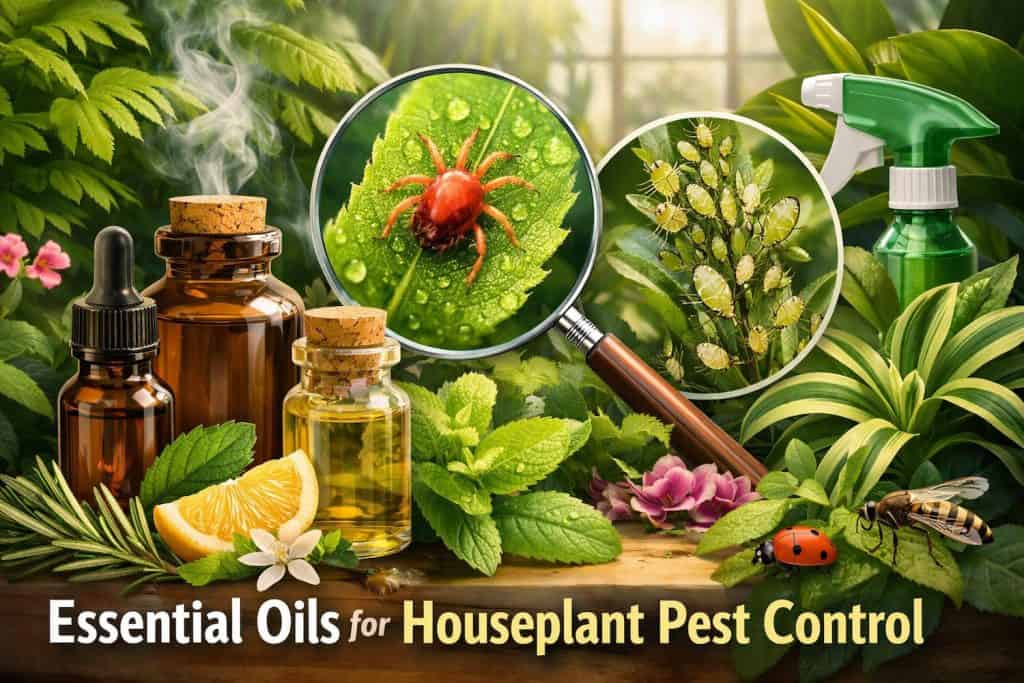
Essential oils can be used on indoor plants as a light, natural pest deterrent, but only when properly diluted and used sparingly. Oils such as neem, peppermint, and lavender may help discourage pests like aphids and spider mites, but they do not replace good plant care. Overuse can damage leaves, block pores, or cause stress to the plant.
For safe use, mix 2–5 drops per litre of water, apply lightly, and always test on a single leaf before wider application.
Try a grounded, ecological approach to plant care indoors
There is a growing desire to care for plants more gently.
To move away from chemicals.
To bring the language of nature back into the home.
Essential oils indoor often sit at the centre of that conversation—spoken of as natural protectors, quiet healers, and simple solutions to indoor plant problems.
But like most things in the garden, the truth is not so simple.
Adding essential oils to a humidifier enhances indoor air quality and can benefit your houseplants. Certain essential oils are believed to support plant health, repel pests, and create a calming environment for you and your green companions. However, it’s necessary to use oils sparingly and choose the right ones for your setup.
A natural approach to plant care, pest balance, and indoor wellbeing
There’s a quiet shift happening in how we care for our indoor plants.
Less control.
Fewer chemicals.
More awareness.
Essential oils often find their way into this conversation—promising pest control, healthier leaves, even improved growth. But like many things in gardening, the truth sits somewhere between enthusiasm and restraint.
Used thoughtfully, essential oils can support your indoor environment. Used carelessly, they can do more harm than good.
This is not about quick fixes. It’s about balance.
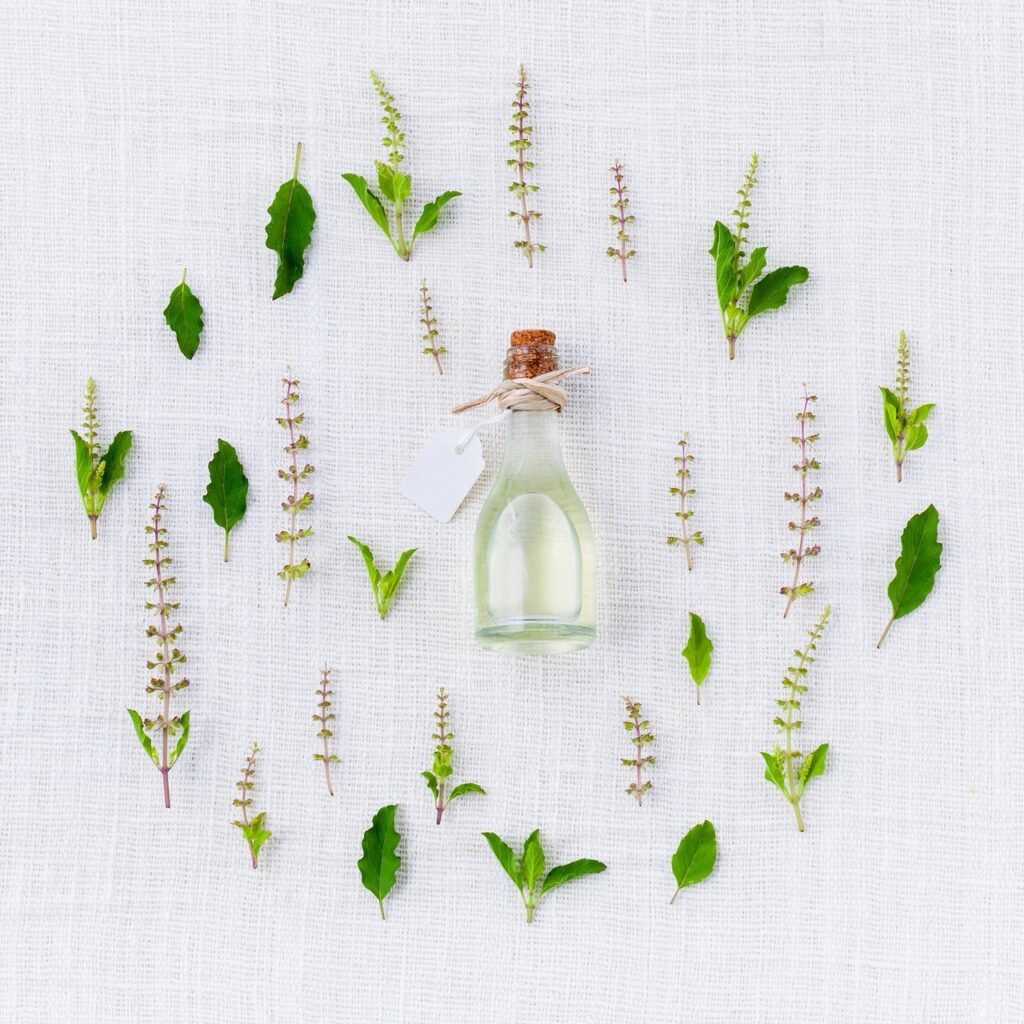
Why Gardeners Turn to Essential Oils
Indoor spaces create a very different ecological setting compared to the outdoors.
Air is still.
Predators are absent.
Moisture fluctuates.
And in that stillness, pests such as aphids, spider mites, and fungus gnats can take hold more easily.
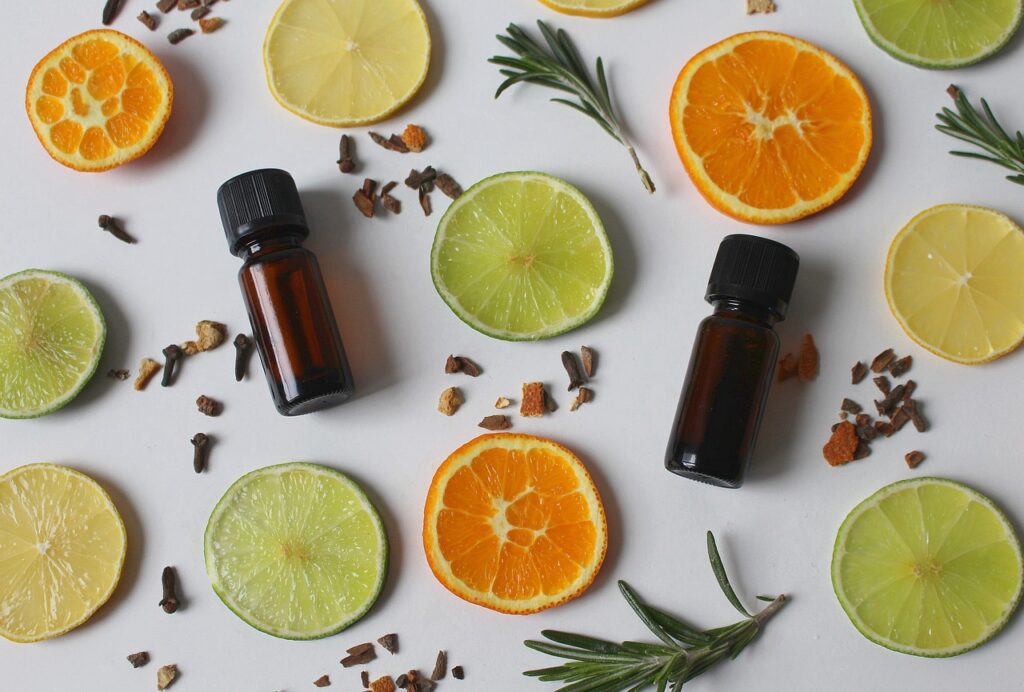
Essential oils are appealing because they offer a plant-based, low-toxicity alternative to synthetic sprays. Many contain natural compounds that insects dislike, making them useful as a gentle deterrent rather than a harsh solution.
Essential Oils That Can Benefit Plants
- Lemongrass: Known for its antifungal and antibacterial properties, lemongrass oil helps protect plants from mould and pests. Use 3–4 drops per litre of water.
- Cedar: Deters pests like spider mites and gnats while promoting a healthier growing environment. Add 2–3 drops near plants susceptible to pests.
- Peppermint: Effectively repels common houseplant pests such as aphids and fungus gnats. Add 2–4 drops to help keep pests at bay.
- Rosemary: Has antimicrobial properties and can boost plant resilience by reducing the risk of infections. Use 3 drops in your humidifier.
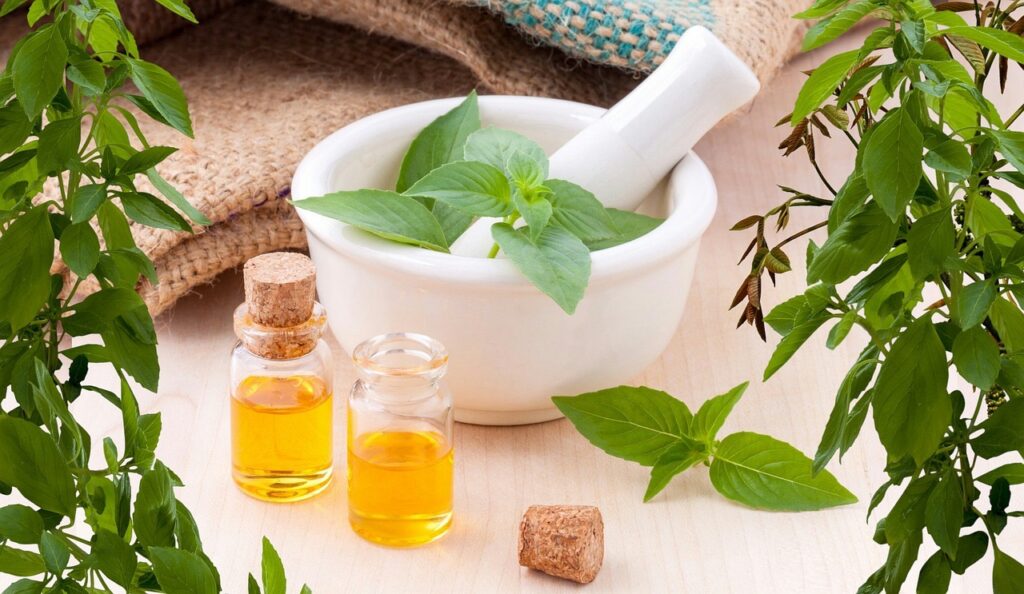
Additional Essential Oils to Consider
- Eucalyptus: Purifies the air and can protect plants from airborne pathogens.
- Ylang-Ylang: Adds a soothing scent and promotes a calm atmosphere for indoor spaces.
- Sandalwood: Helps to repel insects and adds a pleasant, earthy aroma.
- Clove: Offers natural pest-repelling properties.
- Lavender: Creates a serene environment and may deter pests like moths.
- Geranium: Helps keep pests like mosquitoes away while maintaining a pleasant floral scent.
- Tea Tree: Known for its antifungal properties, reduces the risk of mould and mildew.
- Vanilla: Provides a sweet, calming scent without overpowering delicate plants.
- Chamomile: Promotes relaxation and a peaceful atmosphere for both you and your plants.
- Citronella: Highly effective at repelling mosquitoes and other pests.
Tips for Using Essential Oils in a Humidifier
- Choose High-Quality Oils: Always opt for 100% pure, organic essential oils free of additives and synthetic chemicals.
- Dilution is Key: Use only a few drops per litre of water. Overuse can overwhelm your plants or irritate your senses.
- Clean the Humidifier Regularly: Essential oils can leave residues that clog the humidifier. Clean the unit thoroughly at least once a week.
- Monitor Plant Responses: If you notice leaf discolouration or other signs of stress, reduce or stop using oils temporarily.
- Avoid Direct Contact: Never apply essential oils directly to plant leaves or soil — always diffuse through a humidifier.
The right essential oil in the right amount doesn’t just scent a room — it can actively support the health of the plants within it.
Benefits of Using a Humidifier for Plants
- Improved Air Moisture: Most houseplants, especially tropical varieties, thrive in humid conditions. A humidifier provides consistent moisture in dry indoor environments.
- Healthier Foliage: Adding humidity helps prevent leaf browning, curling, and drying.
- Enhanced Growth: Proper moisture levels can improve photosynthesis and nutrient absorption.
Do essential oils actually kill plant pests?
Most essential oils do not kill pests outright. Instead, they repel, disrupt feeding, or interfere with reproduction. For severe infestations, they are often less effective than consistent care practices such as improving light, airflow, and watering balance.
When should you avoid using essential oils on plants?
Avoid using essential oils on newly transplanted plants, stressed plants, or those with soft, delicate leaves. In these conditions, plants are more sensitive and more likely to react negatively to even diluted oils.
Sourcing Quality Essential Oils
When using essential oils to enhance your indoor garden’s health, sourcing high-quality oils is essential. Impurities or synthetic additives in low-grade oils can harm both your plants and your humidifier. Here is what to look for:
- 100% Pure and Organic Certification: Look for labels indicating “100% pure” or “certified organic.” USDA-certified organic or comparable certifications are a good sign.
- Third-Party Testing: Reputable brands provide GC/MS reports confirming purity and the absence of contaminants.
- Cold-Pressed or Steam-Distilled Extraction: Avoid oils extracted with chemical solvents.
- Dark Glass Packaging: Always purchase oils in dark amber or cobalt blue bottles to preserve their quality.
Top Brands to Consider
- Plant Therapy: USDA-certified organic oils, affordable, with detailed GC/MS testing results for every batch.
- doTERRA: High-quality therapeutic-grade oils — great for both personal and plant care.
- Young Living: Trusted pioneer in essential oils, known for its Seed-to-Seal sourcing transparency.
- Edens Garden: Affordable, high-quality oils without a subscription model — best budget option.
- Aura Cacia: A reliable choice for organic and sustainably farmed essential oils.
DIY Essential Oil Uses for Houseplants
- Pest Control Spray: Mix 5 drops of peppermint or tea tree oil with 2 cups of water and a few drops of liquid soap. Use as a natural pest repellent for plant leaves — test on a small area first.
- Fungal Prevention: Combine 4 drops of tea tree oil and 2 drops of rosemary oil with 1 litre of water. Spray on soil or leaves prone to fungal infections.
- Leaf Shine Spray: Add 1 drop of lavender or ylang-ylang oil to 1 cup of distilled water and lightly mist leaves to enhance their sheen and reduce dust buildup.
A Grounded Way to Think About It
In outdoor gardens, balance comes from diversity—predators, weather, competition.
Indoors, that balance is quieter, but it still exists.
Essential oils can play a small role in that system, but they are not the system itself
Further Reading and Resources
“The Healing Power of Essential Oils” by Eric Zielinski — A great resource for understanding the properties of various oils.
“Essential Oil Safety” by Robert Tisserand — Focuses on using essential oils safely, including for plants and pets.
Gardening Know How: Essential Oils for Houseplants — A Beginner’s Guide
Healthline: Using Essential Oils in a Diffuser or Humidifier
National Pesticide Information Center: Pest Control with Essential Oils
University of Illinois Extension: The Role of Humidity in Plant Care