
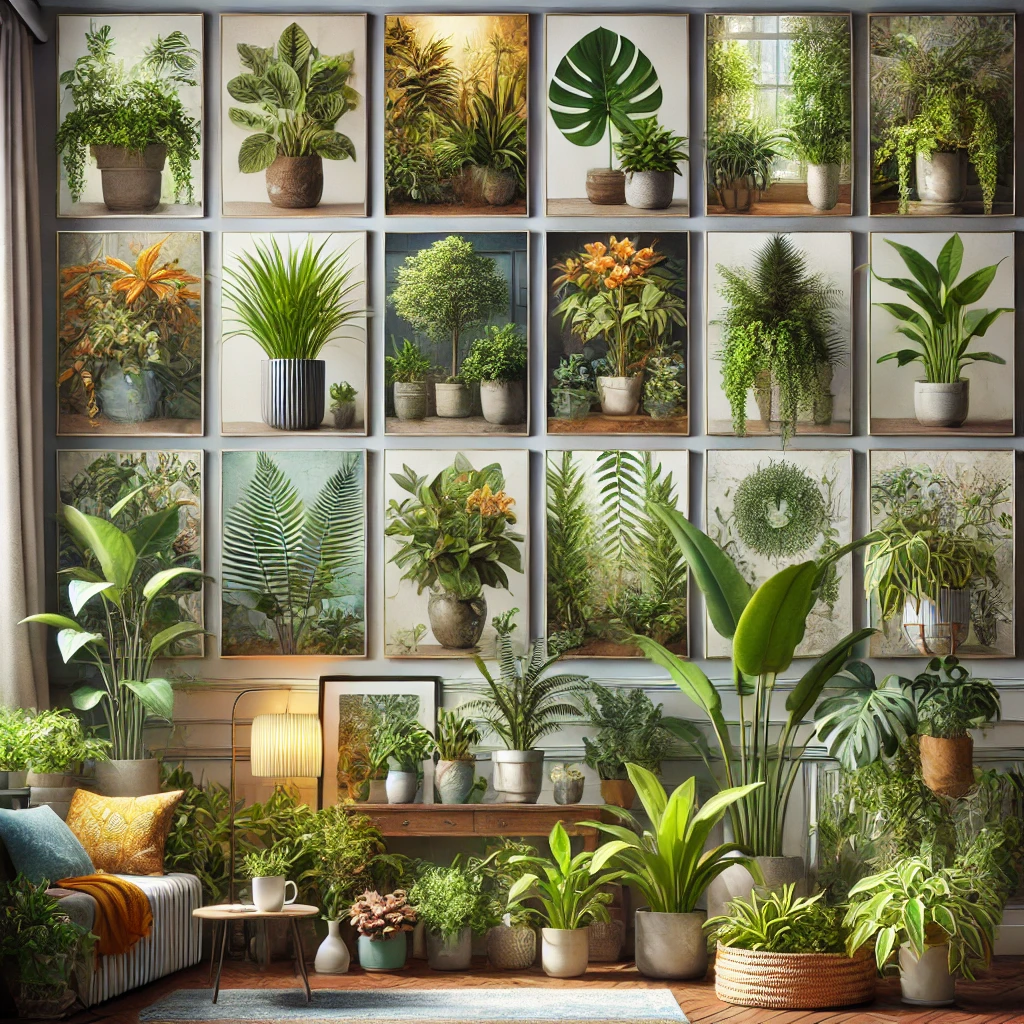
The Benefits of Growing More Houseplants
What are the benefits of growing more plants?
Growing houseplants improves mental wellbeing, reduces stress, and creates a stronger connection to nature indoors. Plants can also help regulate humidity and improve comfort within a space, but their ability to clean air in typical homes is limited unless used in large numbers or integrated systems.
The greatest benefit of houseplants is not air purification—it is their ability to support calm, focus, and everyday wellbeing through interaction and presence.
A grounded look at what indoor plants really offer us
Feeling the weight of work stress, life challenges, or the winter blues? Caring for houseplants is a simple yet effective way to boost your mood and wellness at home. Not only do these green companions brighten up your space, but they also offer a host of mental health benefits.
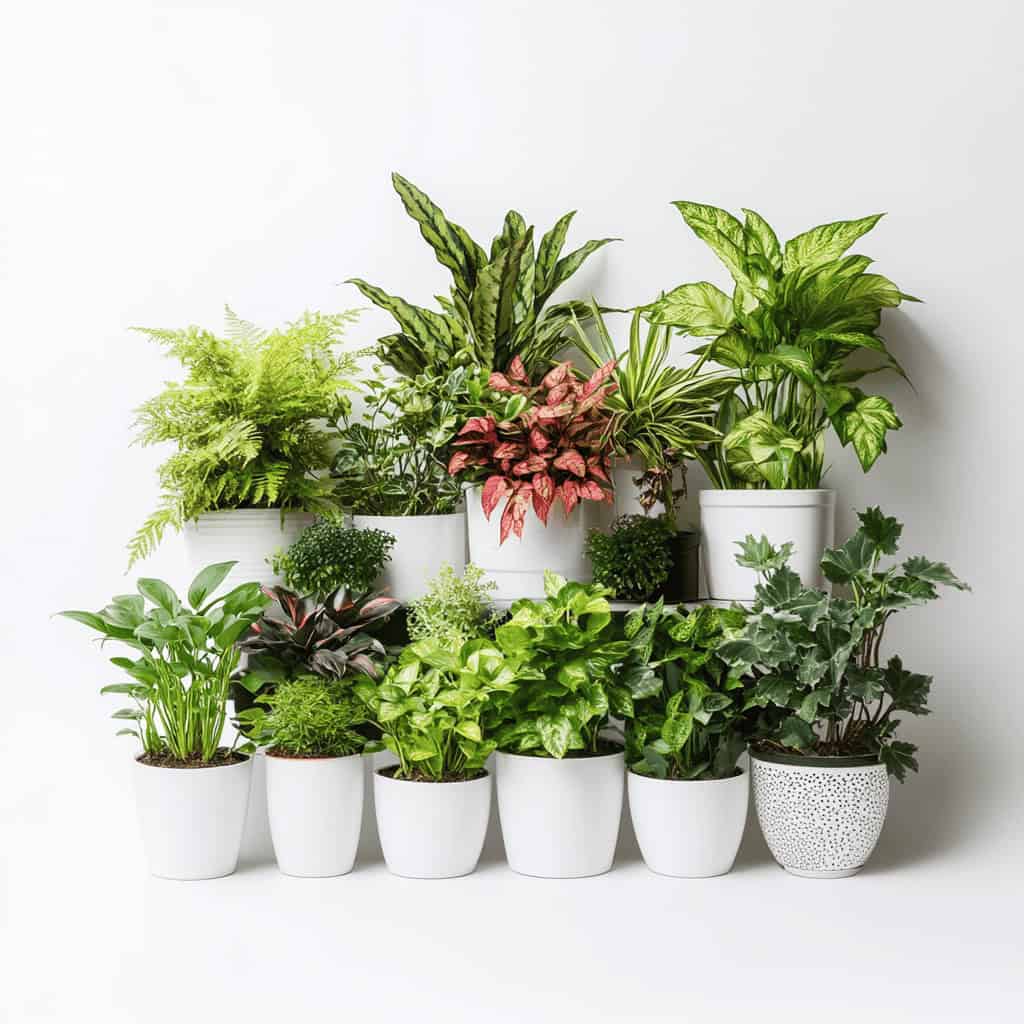
The Science Behind Houseplants and Mental Health
Research has shown that interacting with indoor plants can significantly reduce stress and anxiety levels. A study published in the Journal of Physiological Anthropology found that participants who engaged in indoor gardening tasks experienced lower stress responses than those who performed computer tasks. Caring for plants led to a decrease in blood pressure and promoted feelings of calm and relaxation.
Moreover, a review of 42 studies demonstrated that simply being in the presence of indoor plants can enhance mental and physical health — participants showed improved cognitive performance, increased pain tolerance, and reduced physiological stress markers when plants were present in their environment.
What Houseplants Actually Give Us
The Benefits of Growing More Houseplants is not what they do to the air.
It is what they do to us.
To care for a plant is to slow down.
To notice when the soil is dry.
To recognise the shift in a leaf’s colour before it becomes a problem.
These are small acts, but they carry weight.
In a world that moves quickly, plants ask us to move differently.
And in doing so, they change the atmosphere of a room—not chemically, but emotionally.
Combating the Winter Blues
During the colder months, reduced exposure to natural light can lead to feelings of sadness or lethargy. Introducing houseplants into your living space can help counteract these feelings. Plants improve indoor air quality by increasing humidity and reducing pollutants, which can positively affect your mood and cognitive function. The presence of greenery also creates a sense of connection to nature, providing comfort during the long winter months.
Enhancing Mood and Relationships
Caring for houseplants can foster a sense of purpose and accomplishment. The routine of watering, pruning, and observing growth can be meditative — promoting mindfulness and reducing negative thoughts. This mindful engagement can enhance your mood, making you more patient and attentive in your relationships. Sharing plant care activities with family or friends can also strengthen bonds and create shared experiences.
Boosting Productivity and Satisfaction
Studies have indicated that the presence of plants in office environments can lead to increased productivity, improved concentration, and higher job satisfaction. A greener home can make tasks feel less demanding and boost overall morale.
Nurturing a plant is an act of patience and presence — both of which are good for the soul.
A Calmer Mind, A Softer Space
There is growing evidence that being around plants can reduce stress, support focus, and improve overall wellbeing.
But you don’t need a study to feel it. A room with plants holds a different quality. The edges soften. The light feels slower.
Even a single plant, placed with intention, can change how a space is experienced. This is not productivity in the usual sense. It is presence.
Beginner-Friendly Houseplants to Consider
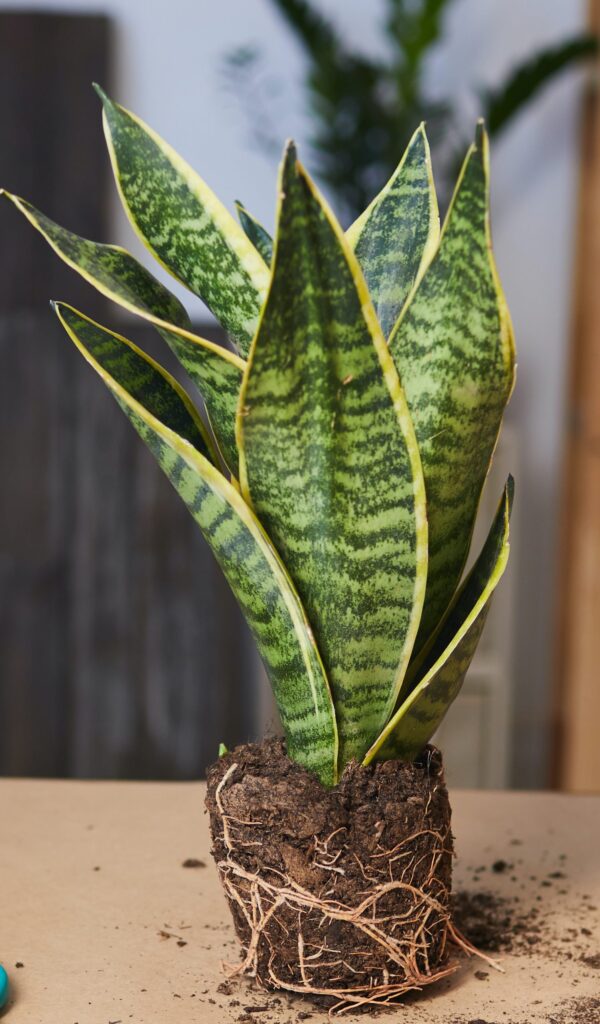
- Snake Plant (Sansevieria): Thrives in various light conditions and requires minimal watering — one of the most resilient houseplants available.
- Peace Lily (Spathiphyllum): Adds beauty with its white blooms and helps purify the air. Prefers low to medium light and consistent moisture.
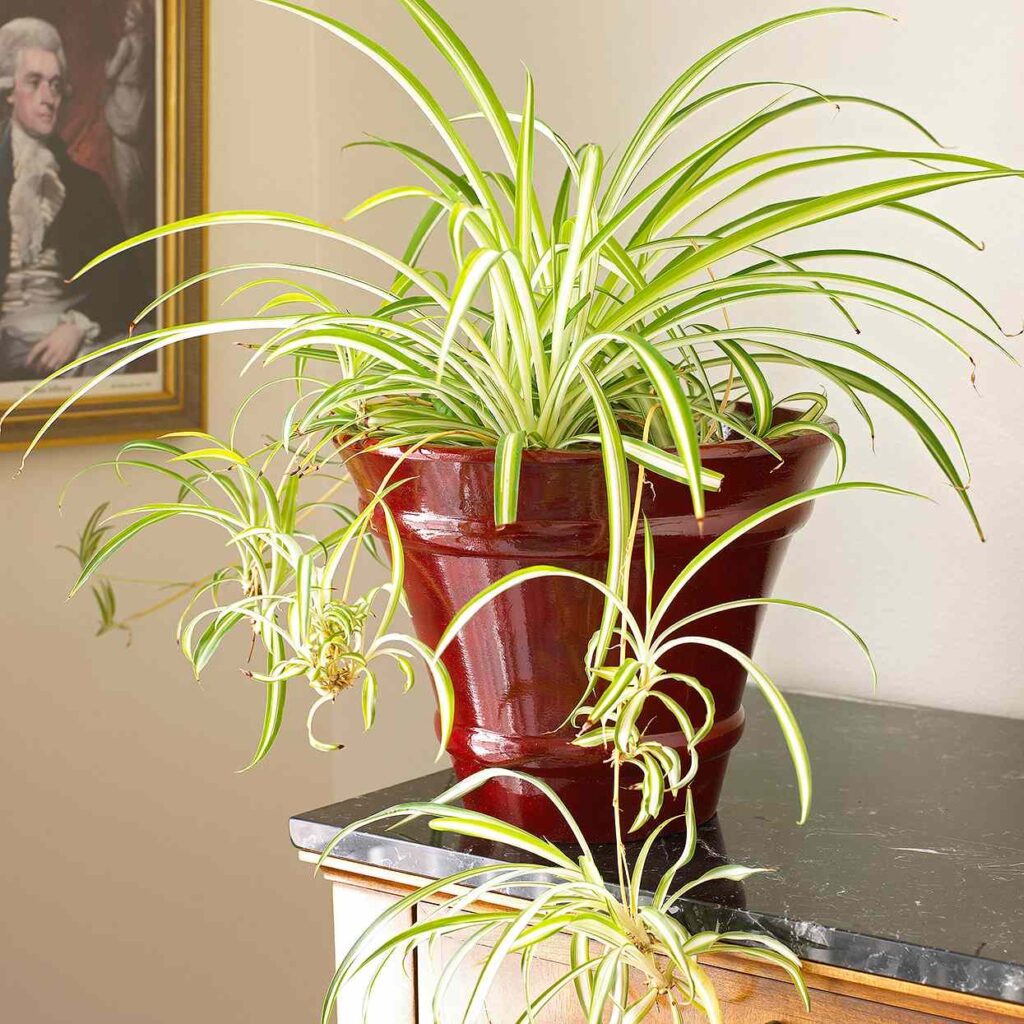
- Spider Plant (Chlorophytum comosum): Easy to care for and adaptable. Does well in indirect light and needs watering once the top inch of soil is dry.
- Pothos (Epipremnum aureum): A versatile vine that thrives in low light and requires infrequent watering — perfect for beginners.
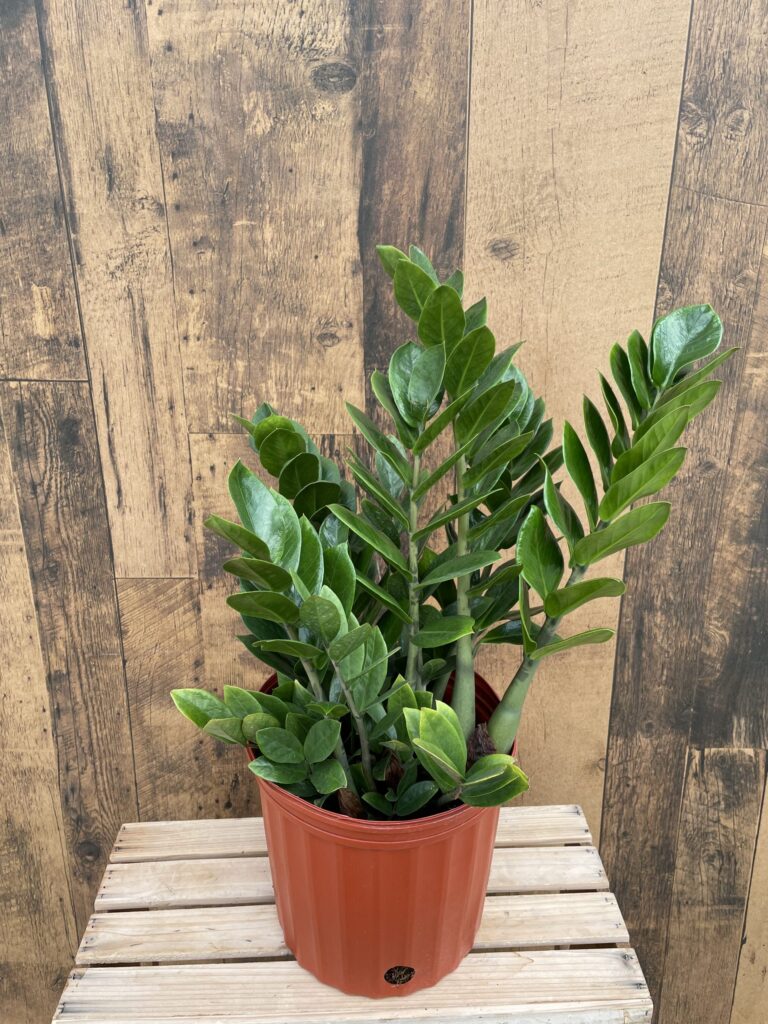
- ZZ Plant (Zamioculcas zamiifolia): Attractive glossy leaves, tolerates low light, and needs watering only when the soil is completely dry.
How Many Plants Do You Really Need?
There is a temptation to measure—to ask how many plants are required to feel the benefits.
But this is not something that scales neatly. One plant, well cared for, can change a room.
A house full of neglected plants can do the opposite. If your goal is environmental impact—humidity, air interaction—then yes, numbers and placement begin to matter.
But if your goal is connection, calm, and presence, then it begins with one.
Tips for Thriving Plants and a Thriving You
- Light: Understand the light requirements of your chosen plants. Some thrive in bright, indirect light, others prefer low-light conditions.
- Watering: Overwatering is a common mistake. Ensure pots have drainage holes and allow the soil to dry out between waterings.
- Humidity: Indoor heating can reduce humidity levels, especially in winter. Misting your plants or using a humidity tray can help maintain appropriate moisture levels.
- Routine: Establish a regular plant care routine. This consistency can provide structure to your day and a sense of accomplishment.
Building Community Through Social Media
Social media platforms like Facebook and Instagram can be a treasure trove of inspiration, support, and community for houseplant enthusiasts. These online communities can amplify the joy and benefits of growing and caring for houseplants, especially during the long winter months.
Facebook Groups are home to countless communities dedicated to houseplants and gardening. Joining these groups allows you to connect with like-minded individuals, share your plant care journey, and get advice tailored to your specific challenges. Popular groups to explore: Houseplant Hobbyist, Houseplant Swap & Sell, and Indoor Plant Society.
Instagram is ideal for visual inspiration and connecting with a wider audience. Use hashtags like #houseplantsofinstagram, #planttherapy, or #wintergreens to discover posts and connect with fellow plant lovers. Accounts worth following: @TheJungalow for lush maximalist inspiration, @PlantKween for a joyful celebration of plant care and self-care, and @CrazyPlantGuy for engaging, educational content.
Tips for Using Social Media Mindfully
- Set Limits: Allocate specific times to browse or engage with plant content to avoid doomscrolling.
- Curate Your Feed: Follow accounts that inspire joy and positivity. Unfollow anything that causes stress or comparison.
- Be Authentic: Share the ups and downs of plant care — it’s not always perfect, and that’s okay.
Incorporating houseplants into your daily life can be a rewarding and therapeutic experience. By nurturing these green companions, you’re not only enhancing your home’s aesthetic appeal but also taking proactive steps toward improving your mental health and overall well-being.
Further Reading and Resources
The Mental Health Effects of Houseplants
Green Thumbs and Blue Moods: The Effect of Indoor Plants on Mental Health