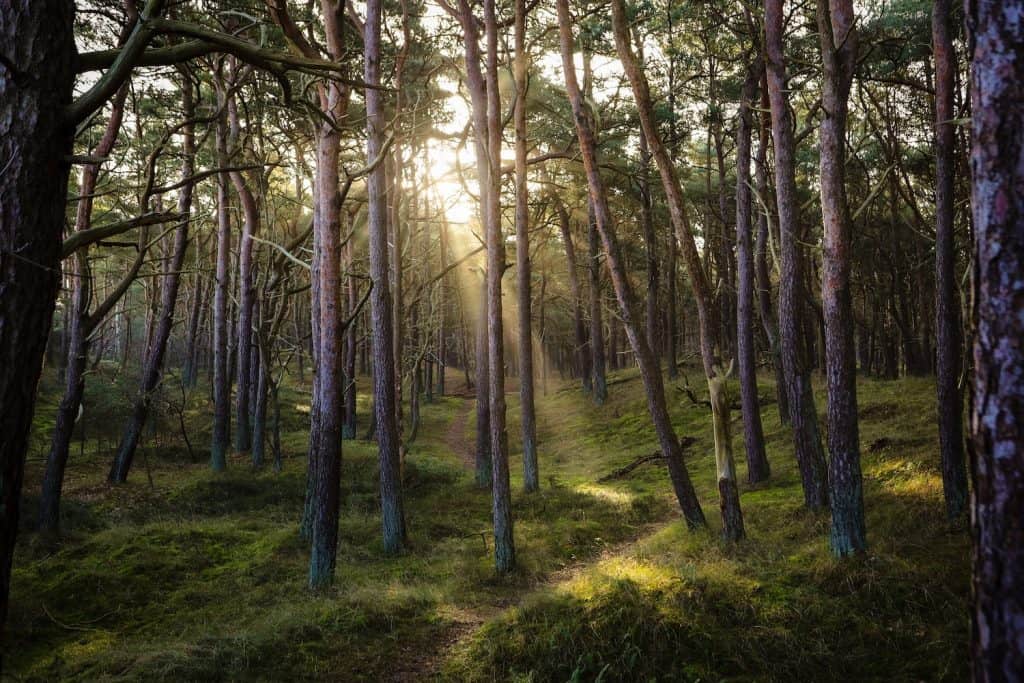
A grounded look at trees that hold the landscape together.
What makes a tree belong to a place?
In Sussex County, Delaware, that question matters more than ever. Between shifting coastlines, salt-laced winds, sandy soils, and increasing pressure from development, the trees that endure here are not just ornamental—they are structural. They hold soil, filter water, shelter wildlife, and stitch together the wider ecology in ways we are only beginning to fully understand.
This is not simply a list of attractive trees. It is a closer look at species that function—trees that support entire communities of insects, birds, fungi, and life beneath the soil. Trees that do more than grow. Trees that give.
In the following guide, we’ll walk through ten native trees that are deeply suited to Sussex County’s unique coastal plain conditions. Each one has been selected not just for its resilience, but for its ecological value—its ability to support biodiversity, stabilize land, and contribute to a living, breathing system rather than a static landscape.
You’ll also notice something new woven into this list: a biodiversity rating. This isn’t about popularity or aesthetics. It reflects how much life a tree supports—how many species depend on it, how well it feeds pollinators, how effectively it contributes to a functioning ecosystem. Some trees host hundreds of caterpillar species. Others offer critical nectar during seasonal gaps. Some quietly build soil and fungal networks that sustain everything around them.
But this article goes a step further.
Because while Sussex County is our starting point, the deeper question is this:
What grows where you are—and why?
As you read through the list, I invite you to begin observing your own landscape in the same way. Not just asking what should I plant, but what already belongs here? What trees line your roadsides, your hedgerows, your waterways? Which ones are thriving without intervention?
In the final section, we’ll explore how to identify native tree species in your own region—using simple observation, regional plant databases, and ecological cues that often go unnoticed. Whether you’re in coastal Delaware, rural Poland, or anywhere in between, the process is the same: learn the land, and the land will tell you what fits.
Because the goal isn’t to replicate a list.
It’s to rebuild a relationship.
And that begins by seeing trees not as individual features, but as part of a wider, living system—one that you now have the opportunity to support, restore, and grow.
Continue reading to explore the Top 10 Native Trees for Sussex County—and how to begin choosing the right trees for your own place, wherever that may be.
What are the best native trees for Sussex County, Delaware?
The best native trees for Sussex County, Delaware are species adapted to coastal soils, wetlands, and upland forests, including oaks (Quercus spp.), black gum (Nyssa sylvatica), sassafras (Sassafras albidum), and sweetbay magnolia (Magnolia virginiana). These trees support wildlife, stabilize soil, and help maintain resilient, self-sustaining ecosystems.
Native trees are the backbone of Delaware’s coastal ecosystems, providing food, shelter, and breeding grounds for countless species of birds, pollinators, and other wildlife. In Sussex County’s coastal region — where salt air, sandy soils, strong winds, and seasonal flooding can challenge many plants — selecting the right native species ensures both ecological value and long-term resilience.
A landscape shaped by water, wind, and time
Our coastal lands are not a uniform place.
The land shifts.
From coastal edge to inland field
From sandy upland to saturated wetland
From managed ground to fragments of something older
Nearly a quarter of the county is water, and much of the rest is shaped by it—through marshes, floodplains, and forested lowlands.
The trees that belong here are not chosen for beauty alone. They are chosen because they endure these conditions—and support everything around them.
The following trees are more than just landscape features. They are keystone species that sustain entire food webs, protect against erosion, and create vibrant, self-sustaining habitats. Planting them in gardens, parks, and restoration projects helps strengthen biodiversity and safeguard the natural beauty of our shoreline for future generations.
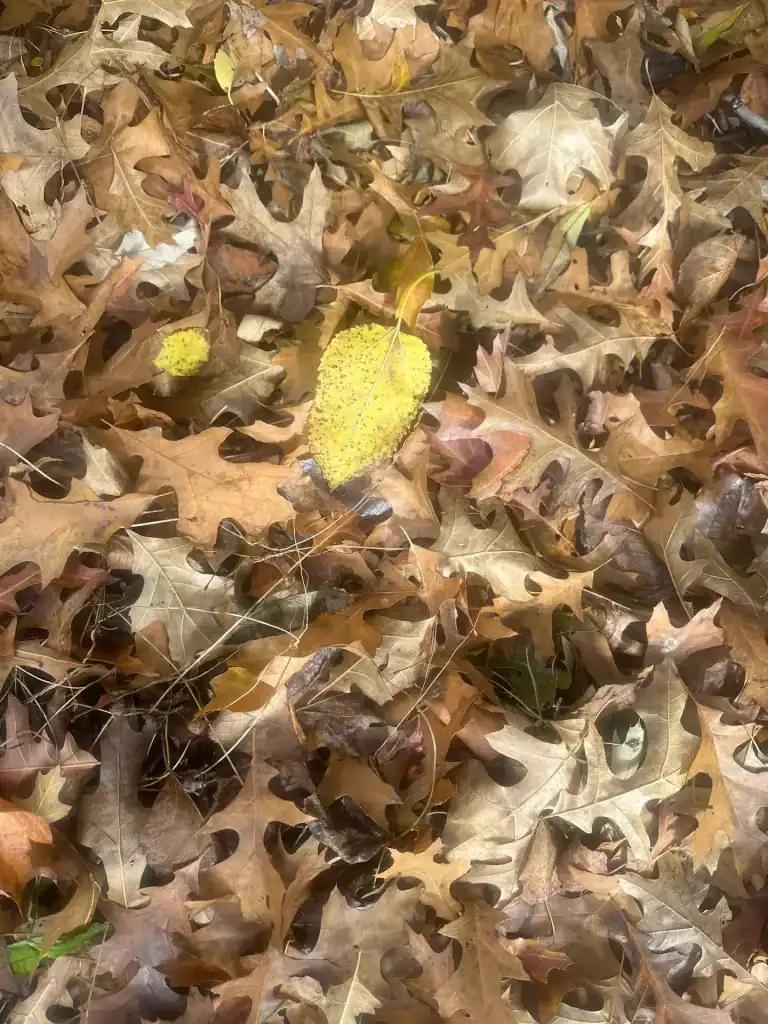
The Top 10 Native Trees
Black Oak (Quercus velutina): A tree of dry, sandy uplands. ★★★★★ Keystone
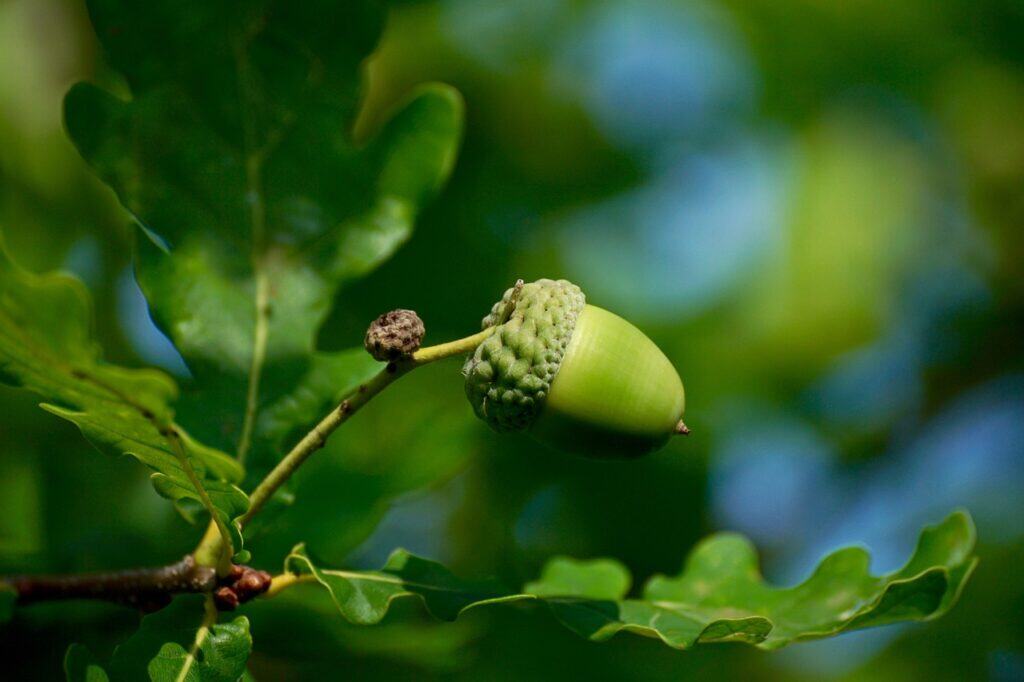
Dry, sandy uplands often look sparse—but this is where Black Oak quietly anchors entire systems. Like all oaks, it supports hundreds of caterpillar species, feeding birds, insects, and mammals. Its acorns sustain wildlife through autumn and winter.
This is not just a tree—it is a foundation species. It does not rush, but over time becomes one of the most ecologically valuable species you can plant—supporting hundreds of insect species and the birds that depend on them.
Top-rated host for over 400 species of caterpillars. Acorns feed birds and mammals; leaves support specialist insects. Thrives in dry, sandy soils and well-drained uplands. Plant one and feed many.
Black Gum (Nyssa sylvatica): A tree that understands water. ★★★★☆ High Value
Adaptable to both moist and wet conditions, Black Gum plays a critical role in floodplain and transitional habitats. Its flowers support pollinators, and its fruit feeds birds deep into the season. Strong structural value in dynamic landscapes.
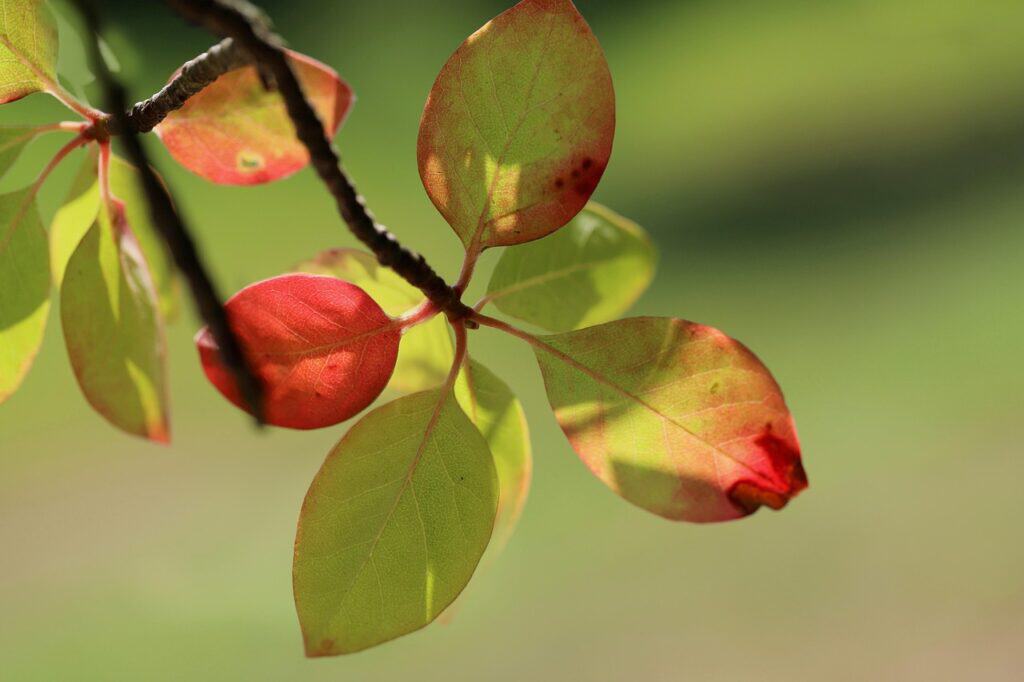
It tolerates flooding, poor soils, and coastal conditions, while offering nectar for pollinators and fruit for birds. And in autumn, it becomes one of the first to turn—deep red, almost luminous. High pollinator value with nectar-rich flowers that feed native bees, and fall fruits that nourish migratory birds. Tolerates periodic flooding, salt air, and poor soils. One of the first trees to turn bright red in autumn.
Southern Red Oak (Quercus falcata): A tree of resilience. ★★★★★ Keystone
Thriving in poor, dry soils, this oak extends the reach of keystone ecology into harsher environments. Like Black Oak, it supports a vast web of insect life and provides essential mast for wildlife.
A resilient backbone for degraded or sandy sites.
Hot, dry, exposed ground—this is where it holds. Its deep roots and drought tolerance make it essential in coastal and upland systems. High caterpillar host rating — important for butterflies, birds, and mammals. Handles hot, dry coastal soils. Deep roots and drought tolerance make it ideal for tough spots.
Sassafras (Sassafras albidum): A tree that feels almost familiar, even if you’ve never planted it. ★★★☆☆ Moderate to High Value
A more subtle contributor, but important. Sassafras supports specialist insects and offers early nectar sources for pollinators. It also plays a role in transitional woodland edges. Not a dominant tree—but an important supporting species.
Three-lobed leaves, early flowers, and a quiet role as a host for specialist insects and birds.
It belongs to edges—woodland margins, light-filled spaces. Host to spicebush swallowtail caterpillars. Small fruits support songbirds; early spring blooms feed native bees. Does well in sandy, acidic soils and light woodlands. Beautiful three-lobed leaves and bright fall colours.
American Holly (Ilex opaca): Evergreen structure in a shifting landscape. ★★★☆☆ Moderate Value
An evergreen anchor in winter landscapes. Its berries provide critical food for birds when little else is available, and its dense structure offers shelter. While it doesn’t support large numbers of insect species, its seasonal importance is high.
It provides winter shelter and food for birds when little else does, making it a critical species for seasonal continuity. Critical winter food source — evergreen cover for nesting birds; berries feed over 20 bird species. Excellent salt spray tolerance, ideal for windbreaks and understory.
Willow Oak (Quercus phellos): A tree of wetter ground. ★★★★★ Keystone
A wetland-adapted oak that brings full keystone function into moist and sandy soils. Its fine-textured leaves may appear delicate, but its ecological contribution is immense—supporting insects, birds, and mammals alike.
Its acorns feed wildlife, and its tolerance of moist soils makes it essential for riparian and lowland planting. Host to hundreds of moth and butterfly larvae. Acorns feed waterfowl and songbirds; supports aquatic and riparian wildlife. Thrives in moist, sandy-loam soils and tolerates occasional flooding.
Sweetbay Magnolia (Magnolia virginiana): A tree of quiet wetlands. ★★★☆☆ Moderate Value
A beautiful and functional tree for moist, acidic soils. It supports beetle pollinators (an ancient ecological relationship) and provides seasonal nectar and structure. Its role is quieter, but meaningful in wetland edges.
Fragrant flowers, pollinator support, and adaptability to acidic, wet soils define its role in coastal plain ecosystems. Supports pollinators and specialist beetles. Fragrant flowers feed native bees; seeds attract birds. Thrives in wet, acidic soils and tolerates brackish edges.
Eastern Red Cedar (Juniperus virginiana): A survivor. ★★★★☆ High Value
Often overlooked, this is one of the most important structural evergreens in coastal systems. It provides shelter, nesting sites, and winter food (berries) for birds. It also acts as a windbreak and stabilizer in exposed landscapes.
It thrives where others struggle—dry, exposed, poor soils—and provides shelter and food for birds year-round. Provides winter shelter and berries for birds. Host for juniper hairstreak butterfly; berries feed cedar waxwings. Excellent salt and wind tolerance — ideal for screens and windbreaks.
Red Maple (Acer rubrum): A connector species. ★★★★☆ High Value
One of the earliest bloomers in spring, Red Maple is a critical pollinator resource when little else is available. It supports a range of insects and adapts across wet and dry soils, making it a versatile ecological contributor.
From wet to moderately dry soils, it adapts widely—supporting early pollinators and stabilizing diverse habitats. Early-season pollen and nectar source supporting early-emerging pollinators. Seeds feed small mammals and birds. Tolerates a wide range of soils from wet to moderately dry.
Loblolly Pine (Pinus taeda): A defining tree of the coastal plain. ★★★☆☆ Moderate Value
A dominant coastal plain species that creates habitat at scale. While it supports fewer insect species than oaks, it plays a major role in shelter, nesting, and long-term canopy structure, particularly in sandy, nutrient-poor soils.
Fast-growing, wind-tolerant, and structurally important for wildlife habitat, particularly birds of prey and forest species. Supports specialist insects and provides year-round cover. Seeds feed pine warblers; provides habitat for owls and hawks. Thrives in sandy soils and tolerates salt and wind.
Planting Tips for Coastal Sussex
| Tree | Sun | Soil | Notes |
|---|---|---|---|
| Black Oak | Full | Dry, sandy | Keystone for dry uplands |
| Black Gum | Sun–part | Moist to wet | Flood and salt tolerant |
| Southern Red Oak | Full | Dry, poor soils | Drought tolerant |
| Sassafras | Sun–part | Sandy, acidic | Great for pollinators |
| American Holly | Part | Well-drained | Salt-tolerant evergreen |
| Willow Oak | Full | Moist, sandy | Good for wetlands |
| Sweetbay Magnolia | Sun–part | Moist, acidic | Semi-evergreen |
| Eastern Red Cedar | Full | Sandy, dry | Excellent windbreak |
| Red Maple | Sun–part | Wet to dry | Early pollinator resource |
| Loblolly Pine | Full | Sandy, poor | Coastal evergreen habitat |
Plant a native keystone tree and you don’t just add beauty to your garden — you restore a piece of the ecosystem that sustains everything around it.
Why these trees matter
These are not ornamental choices.
They are keystone and support species—trees that:
Feed insects → which feed birds
Stabilize soils → especially in coastal and flood-prone areas
Provide shelter → across seasons
When planted together, they do not create a garden.They create a system.
A European reflection — what this means beyond Delaware
Looking at this list from Europe—from Poland, from Wales, from anywhere outside this landscape—
what stands out is not the species.
It is the pattern.
Dry upland oak
Moisture-tolerant transitional tree
Wetland specialist
Evergreen structure
Pioneer species
This pattern exists everywhere.
In Europe, you would not plant Quercus velutina.
You would plant what belongs to your own landscape.
Different names.
Same roles.
That is the deeper lesson.
A more grounded way to choose trees
Do not start with a list.
Start with the land.
Is it dry or wet?
Exposed or sheltered?
Sandy or heavy?
Then choose trees that already understand those conditions.
That is what makes these species work in Sussex County.
And it is what makes any planting work, anywhere.
If you step back, a pattern emerges.
The genus Quercus dominates the highest tier—not by chance, but by function. Oaks are not simply trees; they are ecosystems in themselves.
But a resilient landscape is not built on one species alone.
It is the combination—oak, maple, cedar, gum, magnolia—that creates layered biodiversity, supporting life across seasons, soil conditions, and ecological niches.
How to Use This
When planting or restoring:
Start with one or two keystone species
Support them with high-value companions
Fill gaps with moderate species that extend seasonal function
Do this, and you are no longer planting trees.
You are rebuilding a system.
And that system, once established, will begin to hold itself together.
Bonus Section
How to Identify Native Trees in Your Own Landscape
A grounded method for reading the land—wherever you are
There is a quiet shift that happens when you stop asking what should I plant and begin asking what is already trying to grow here.
This is where real ecological gardening begins—not with catalogs or trends, but with attention.
Whether you are standing on the sandy soils of Sussex County, walking the floodplains of the Bug River, or observing a suburban edge anywhere in between, the process of identifying native trees follows the same rhythm. It is slower, more observational, and far more revealing.
Step One: Read What Is Already Established
Start with what the land is showing you.
Look beyond planted landscapes and focus on edges—road verges, hedgerows, woodland margins, neglected corners. These are often the most honest expressions of what belongs.
Ask simple questions. Which trees are thriving without irrigation or care? Which species appear repeatedly across different sites? Which ones hold their form through wind, drought, or seasonal flooding?
In Sussex County, you may begin to notice species like oaks, black gum, red maple, or loblolly pine appearing again and again. In Podlaskie, it may be birch, alder, pine, or willow. The pattern matters more than the individual tree.
What persists is what belongs.
Step Two: Use Regional Plant Knowledge—Quietly and Precisely
Once you begin to recognize patterns, you can deepen your understanding using trusted regional tools.
In North America, resources such as the USDA Plants Database and the Lady Bird Johnson Wildflower Center allow you to search by state or county, confirming native ranges and ecological roles.
In Europe and the UK, platforms like PlantNet and iNaturalist can help you identify species in the field, often with surprising accuracy when paired with your own observation.
But these tools are just that—tools.
They should confirm what you are seeing, not replace it.
Step Three: Learn the Ecological Signals
Native trees rarely exist in isolation. They reveal themselves through relationships.
Begin to notice the cues around them.
Look at the soil. Is it dry and sandy, or rich and moisture-retentive?
Observe water movement. Does the land flood seasonally, or shed water quickly?
Notice light. Is the canopy open, filtered, or dense?
Then look closer.
Are there insects feeding on the leaves?
Do birds use the branches for nesting or shelter?
Is there a layered understory forming beneath the tree?
These are not small details. They are indicators of ecological function.
A native tree will rarely stand alone—it will host, support, and interact.
Step Four: Understand Biodiversity Value
Not all trees contribute equally.
Some act as ecological anchors. Species within the genus Quercus, for example, are known to support hundreds of caterpillar species, forming the foundation of local food webs. Others, while still native, may play a more limited role.
This is where your biodiversity rating begins to take shape.
Ask yourself:
How many species rely on this tree?
Does it provide food across seasons—flowers, seeds, shelter?
Is it part of a larger network, or standing alone?
The more connections a tree supports, the higher its ecological value.
Step Five: Observe Across Seasons
A single visit is not enough.
Return to the same place in spring, summer, autumn, and winter if you can. Watch how trees change. Notice when they flower, when they seed, when they host the most life.
Some trees reveal their importance only briefly—a flush of early nectar, a late-season fruiting, a winter shelter when nothing else remains.
Belonging is seasonal.
Step Six: Let the Land Guide Your Choices
By this stage, something begins to shift.
You are no longer choosing from a list. You are responding to a place.
The trees you select—whether for a garden, a hedgerow, or a larger restoration—will feel less imposed and more aligned. They will require less input, face fewer stresses, and support far more life.
Because they are not being introduced.
They are being reintroduced.
A Closing Reflection
The deeper truth is this: every landscape is already speaking.
Through its soils, its water, its surviving species, and its quiet persistence, it is telling you what fits and what does not.
Our role is not to override that voice, but to learn how to hear it.
And once you do, the question of what to plant becomes far simpler.
You stop designing in isolation.
You begin participating in something that was already underway.That is where resilience lives.
That is where biodiversity rebuilds.
That is where belonging begins.
Closing reflection
These native trees do not exist in isolation.
They form relationships—
with soil, with water, with insects, with birds, with time.
And when you plant them,
you are not adding something new.
You are restoring something that was already there.
Make an Impact
- Plant native keystone species in home gardens, restoration projects, and public spaces.
- Support the Delaware Botanic Gardens, Delaware Native Plant Society, and Sussex Conservation District.
- Help restore forests — one tree at a time.
Credits and Sources
Keystone species and biodiversity data sourced from the research of Dr. Doug Tallamy, University of Delaware, including his pioneering work on native keystone plants and their ecological roles.
Ecological benefits, plant selection, and habitat recommendations supported by resources from the Delaware Botanic Gardens, Delaware Native Plant Society, Delaware Nature Society, University of Delaware Cooperative Extension, and USDA NRCS plant guides.
Coastal adaptation and planting guidance informed by practical experience from coastal restoration projects, academic studies, and native plant fieldwork in Sussex County.
Recommended References: Bringing Nature Home and The Nature of Oaks by Doug Tallamy — USDA PLANTS Database — Xerces Society Pollinator Plant Lists, Mid-Atlantic Region — Sussex Conservation District Coastal Habitat Guidelines.