The Wild Orchard That Refused to Be Forgotten – Restoring Not Resetting Life.
This is what it means to restore our landscapes instead of resetting to make them manageable and ecologically sterile.
There is a quiet assumption in modern land care that if a place is uneven, unmown, or unmanaged, it must be corrected. Flattened. Reset. Brought back into order.
But sometimes what we call disorder is simply a system finding its way back to itself.
This orchard is one of those places.
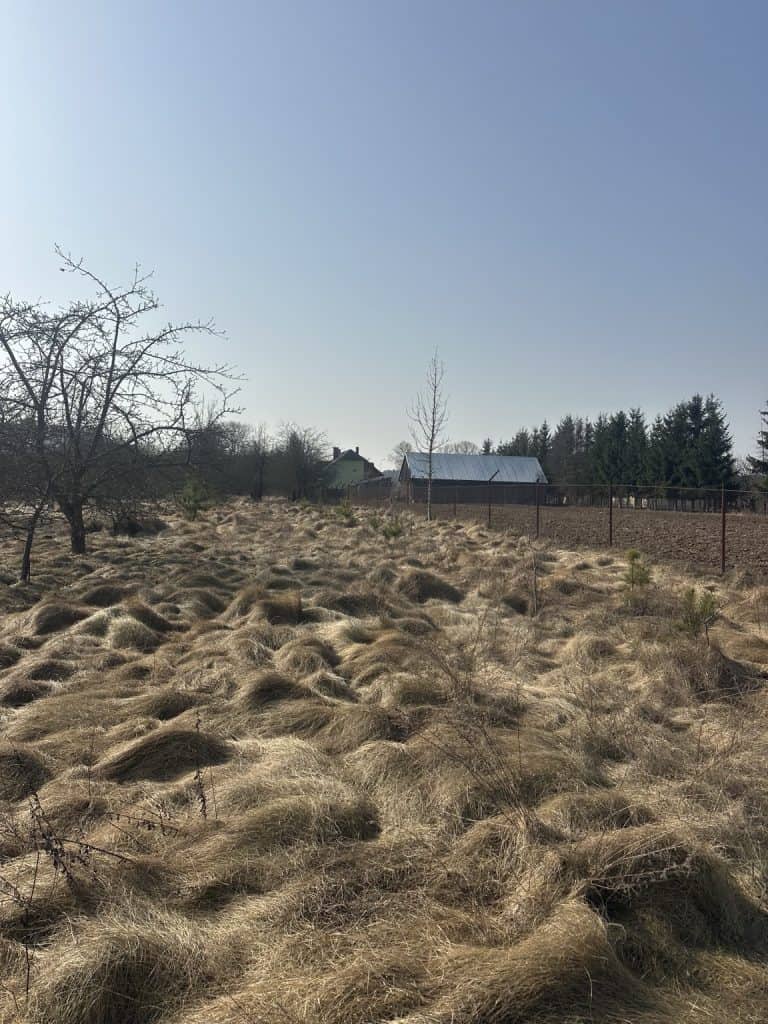
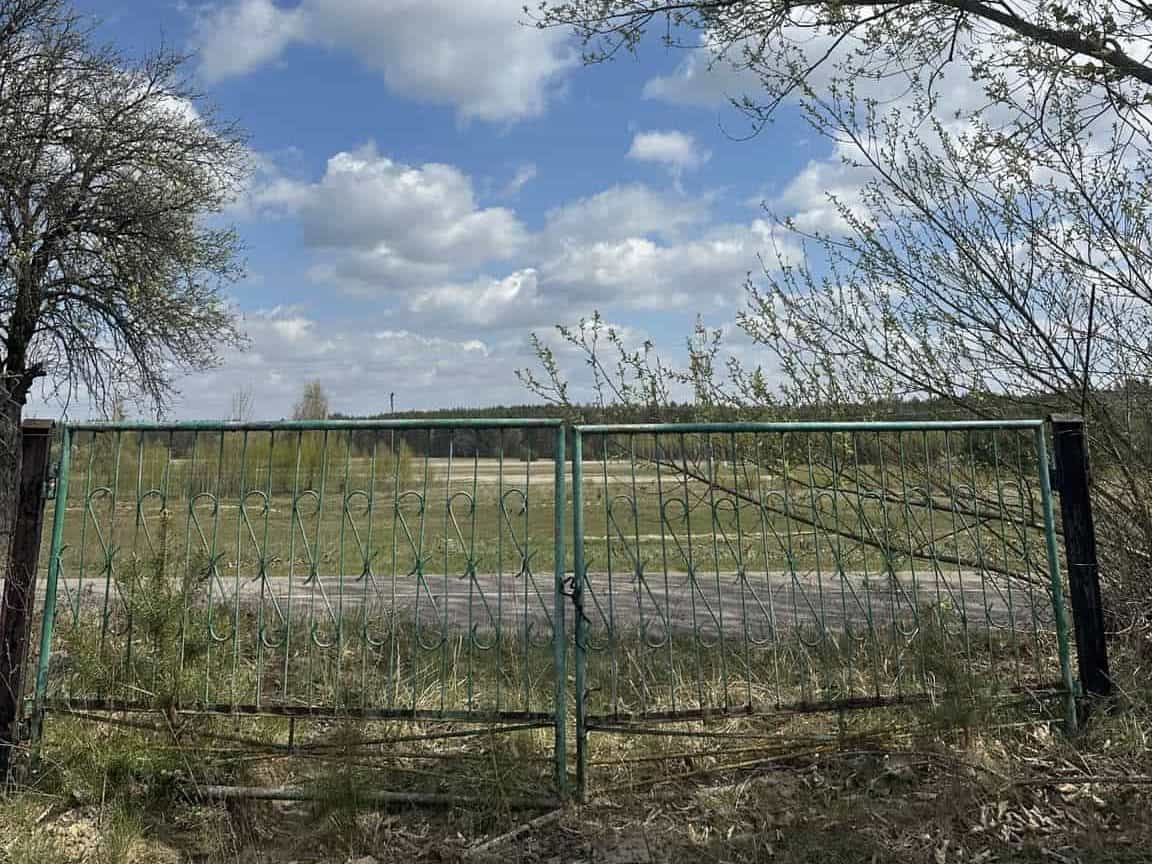
For the last four years, no plough has cut this ground. No mower has erased its surface. And in that absence of intervention, something remarkable has happened. The land has begun to heal in its own language.
The grasses have risen and fallen with the seasons, forming soft hummocks across the field — small rises and hollows that hold moisture, shelter insects, and create subtle microclimates. These are not imperfections. They are structure. They are function. They are the beginnings of a living meadow system.
Situated between open farmland and floodplain meadow, this orchard also functions as a transitional habitat — a corridor through which wildlife can move, feed, and shelter. In fragmented landscapes, these in-between spaces become critical. They connect systems that would otherwise remain isolated, allowing species to disperse and ecosystems to remain resilient. What may appear to be a small, unmanaged orchard is, in reality, part of a much larger ecological network.
To plough this now would not improve it. It would erase years of quiet ecological work already done.
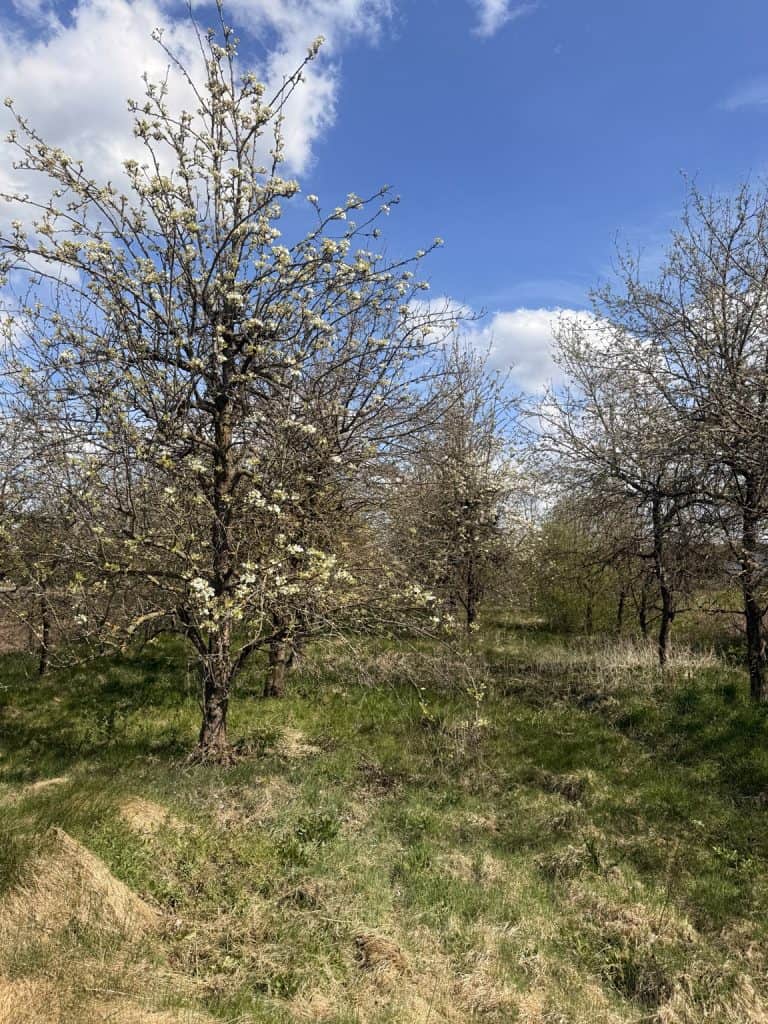
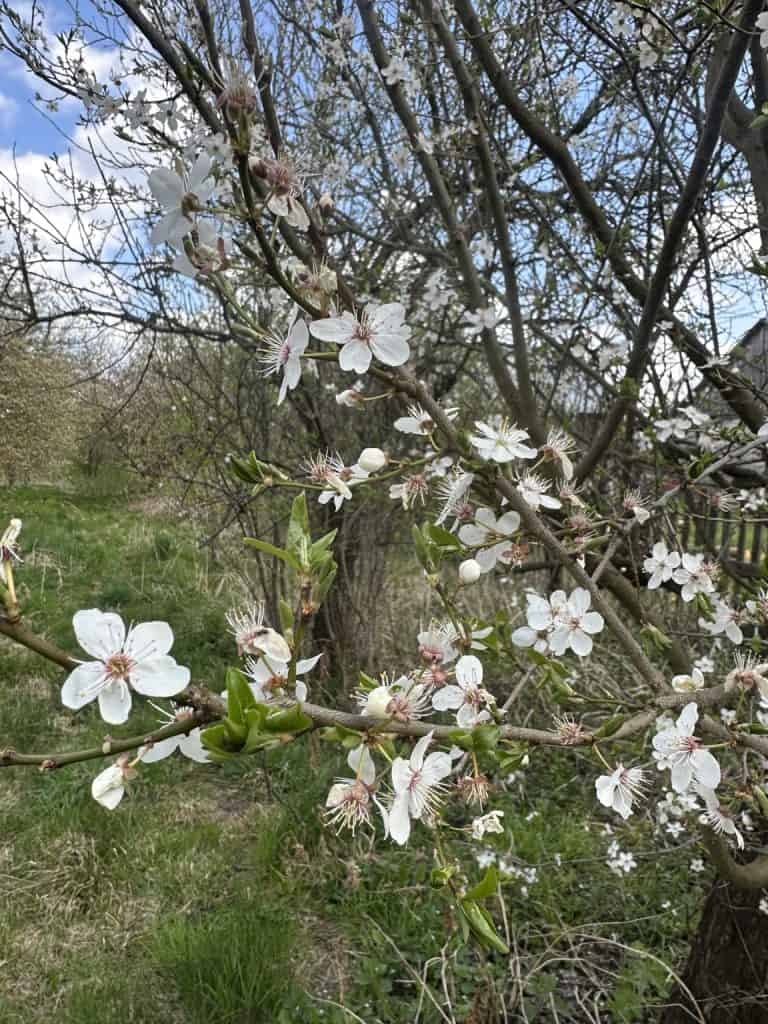
Restoring Not Resetting – The old orchard trees stand at the heart of this landscape. Ancient varieties of Apple, Pear and Cherry old, weathered, shaped by time rather than design. Some lean. Some twist. Some carry deadwood in their crowns.
The orchard itself contributes another layer of ecological value. Old trees, particularly those carrying deadwood and lichen, support specialist organisms that cannot survive in younger or heavily managed systems. Cavities provide nesting sites for birds, while decaying wood hosts fungi and saproxylic insects that form the basis of complex food webs. In this way, the trees are not just productive elements — they are biological anchors within the landscape.
They do not need to be replaced.
They need to be understood.
Restoration here is not about control. It is about respect. The canopy will be gently lifted, allowing light and air to move through the branches once more. Dead, broken, and crossing wood will be removed — not to perfect the tree, but to support its continued life.
Each tree will be allowed to live out its remaining years with dignity, contributing blossom, shelter, and memory to the space. Where trees have already fallen or passed, they will be removed only where necessary, making space for the next layer of growth to emerge.
This orchard sits within a subtle but powerful hydrological gradient. Elevated above the Bug River floodplain, yet close enough to be influenced by its seasonal rhythms, the land experiences a quiet exchange of moisture between surface and subsoil. In spring and autumn, when the lower meadows hold water, the water table beneath this orchard rises in response. The result is not saturation, but influence — a gentle upward movement of moisture that sustains life without overwhelming it. This position, between wet and dry systems, creates one of the most biologically productive conditions found in temperate landscapes.
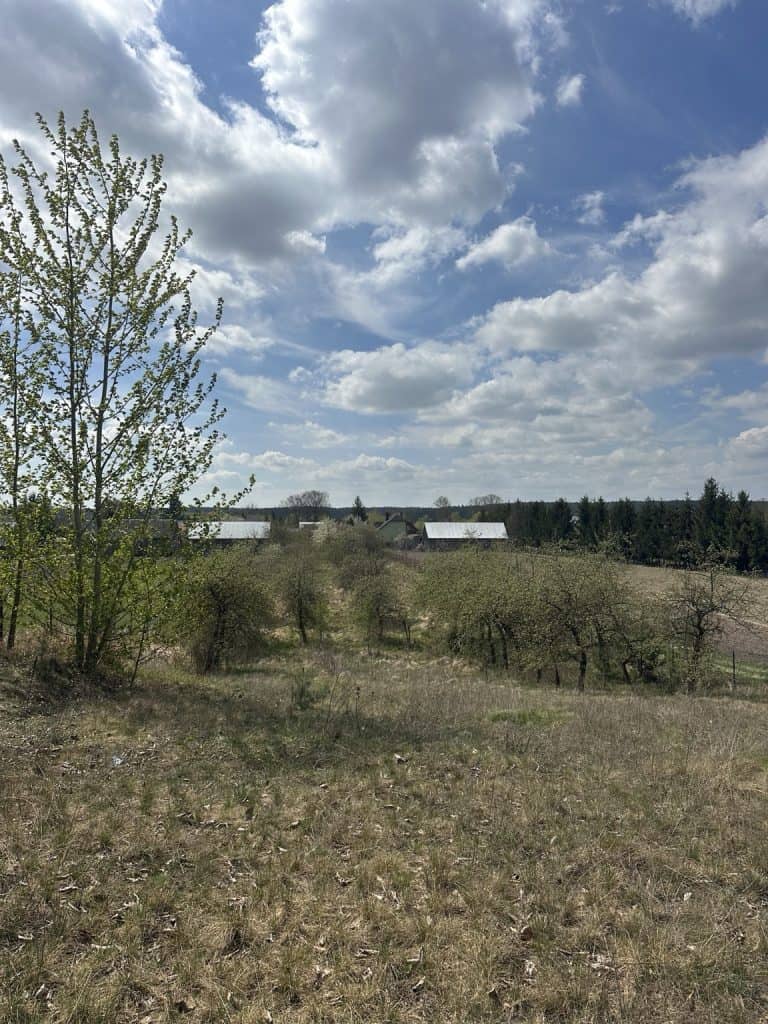
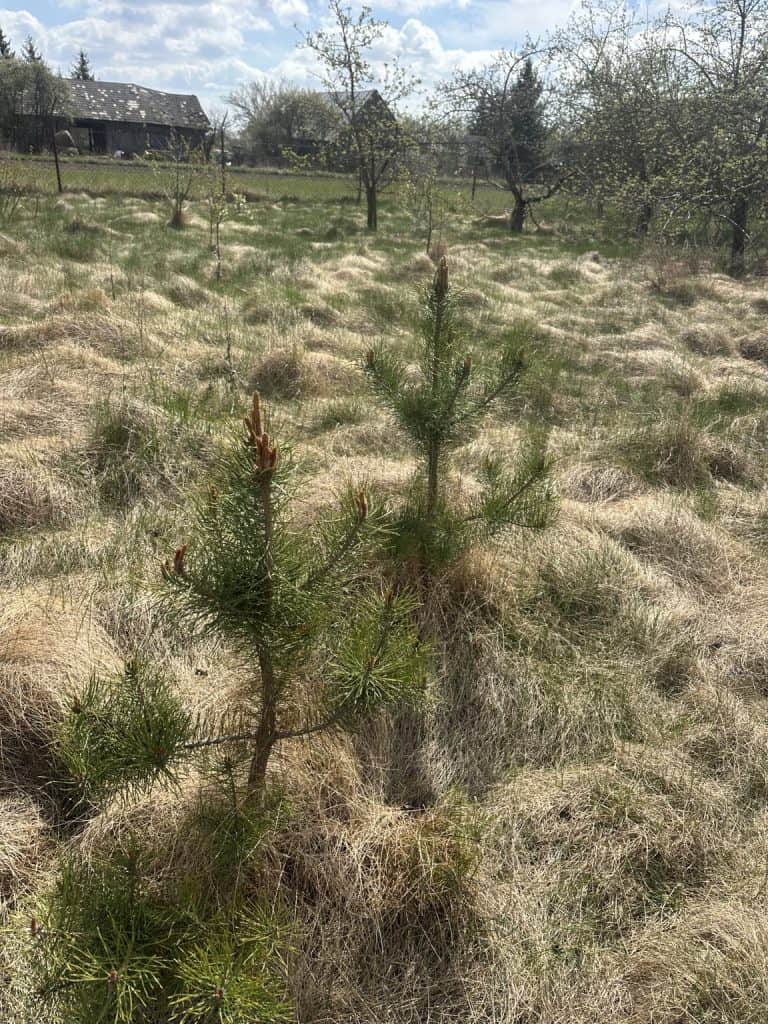
The grass hummocks that have formed over the past four years are not random. They are expressions of undisturbed soil processes and natural accumulation. Each rise and hollow creates a microclimate — warmer, drier conditions at the crest, and cooler, moisture-retentive pockets below. This variation allows multiple plant and microbial communities to exist side by side, dramatically increasing biodiversity within a small area. In ecological terms, this is structural complexity — and it is one of the first features lost when land is ploughed or levelled.
Beneath the surface, the soil is undergoing quiet transformation. Without cultivation, fungal networks begin to reconnect, binding soil particles into stable aggregates and improving both aeration and water retention. Organic matter accumulates naturally through the seasonal collapse of grasses, creating a self-mulching system that feeds soil life year after year. This is the foundation of long-term fertility — not added from above, but built from within. Disturbing this layer through ploughing would not improve productivity; it would reset biological development that has already taken years to establish.
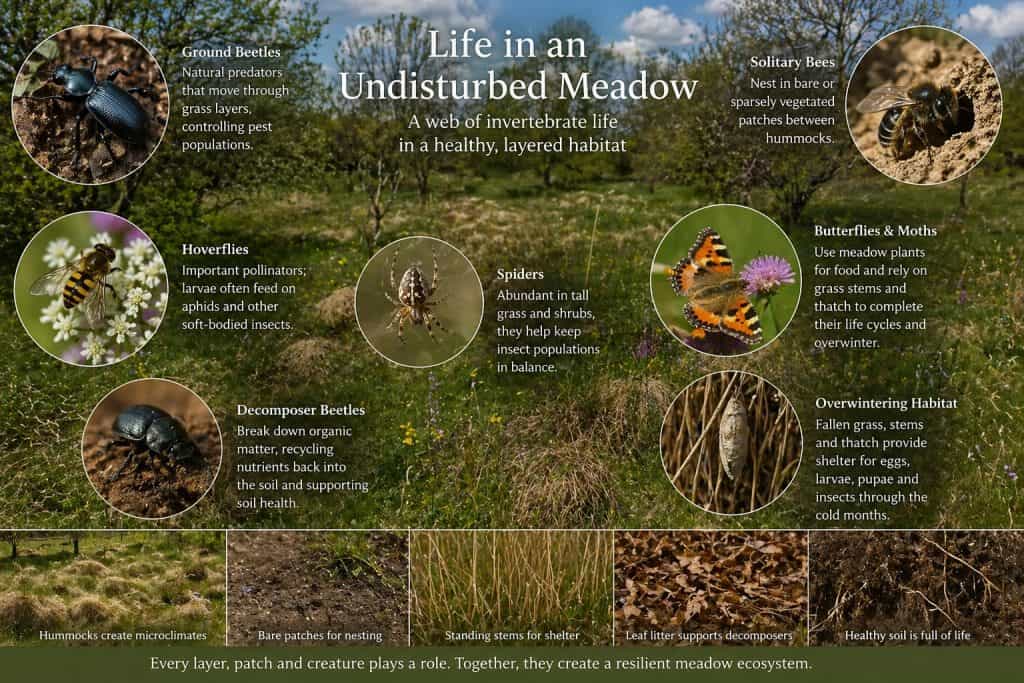
This type of undisturbed meadow structure supports a wide range of invertebrate life that is increasingly absent from intensively managed land. Ground beetles move through the dense grass layers as natural predators, regulating pest populations. Solitary bees utilise bare or lightly vegetated patches between hummocks for nesting. Butterflies and moths rely on the standing and fallen grasses to complete their life cycles, overwintering in stems and thatch. Hoverflies, spiders, and decomposer beetles all depend on this layered habitat — each playing a role in maintaining ecological balance.
The Next Generation of Trees and Pollinators
At the edges, in the margins, new life is already appearing.
Young pine and birch seedlings are pushing through the grass, finding their place without instruction. These will not be cleared away. They will be guided. Some will remain where they stand. Others will be carefully lifted and moved to the boundaries, forming a future hedgerow — a living edge that will shelter the orchard, provide habitat, and carry the system forward.
This is how landscapes evolve. Not through replacement, but through succession.
There is also a quieter shift taking place in how pollination is supported here. Traditionally, this would have meant repairing and managing honey bee hives — structured, controlled systems focused primarily on production. While honey bees have their place, this orchard is being approached differently.
For every active hive restored, equal effort will be given to creating habitat for native pollinators — solitary bees, beetles, and other insects that often do far more of the work than we realise. Old hive boxes, once used for honey production, can be repurposed into insect shelters. Logs, hollow stems, branches, and undisturbed ground all become nesting spaces. Combined with wildflowers and flowering fruit trees, this creates a layered pollination system — one that does not rely on a single species, but instead supports a diverse and resilient community of life.
Following the Wild
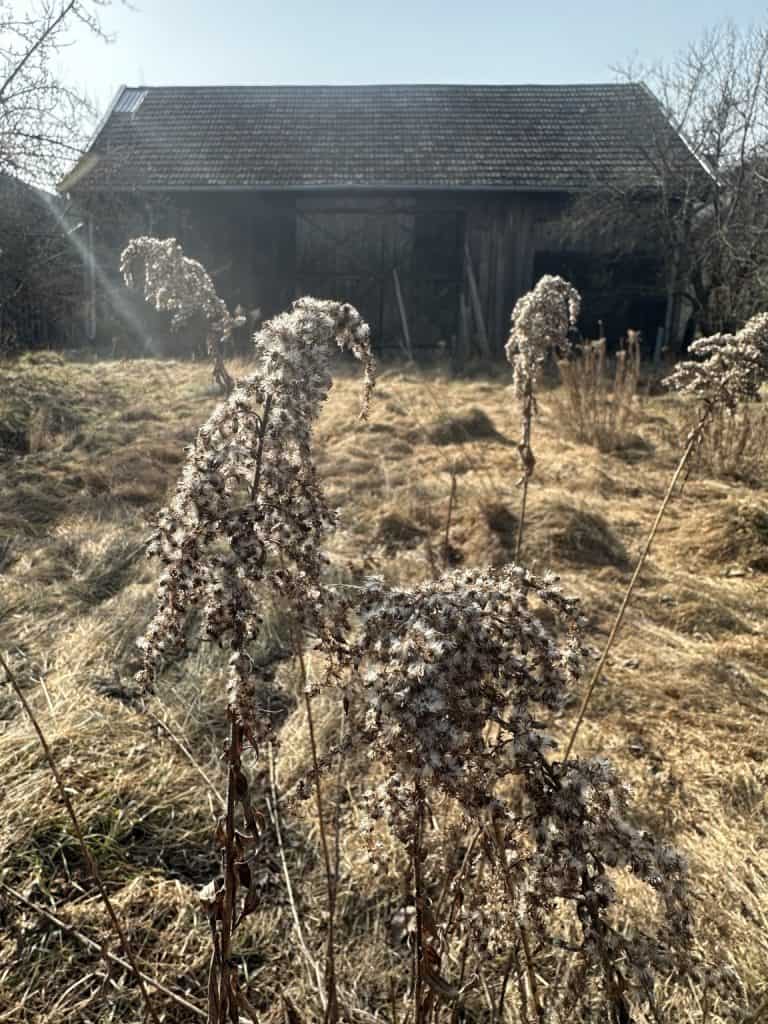
Because the soil has remained undisturbed, the existing seed bank remains intact. This allows for natural regeneration of meadow species over time, often revealing plants that have been dormant for years. Rather than introducing a fixed wildflower mix, this approach allows the land to reassemble its own plant community, shaped by local conditions and ecological pressures. What emerges is not uniform, but adaptive — a meadow that belongs specifically to this place.
Perhaps the most honest part of this place is the way it has already been used.
Before any plan was drawn, before any line was imagined, the wildlife made their own decisions. Foxes have moved through this orchard quietly, consistently, creating subtle pathways as they travel, hunt, and return.
These are not random tracks. They are lines of logic. Lines of efficiency. Lines of belonging.
And so the pathways here will not be imposed. They will be revealed.
Lightly mown paths will follow these existing trails, allowing people to move through the orchard in the same way the animals already do. Not dominating the space, but sharing it.
Like sheep tracing hillsides over generations, these routes carry a kind of wisdom — a knowledge of movement that doesn’t need redesigning.
A Garden That Invites, Not Controls
This is not a project of transformation.
It is a process of listening.
The goal is not to strip the land back and start again, but to shape what is already here so it reads as intentional while remaining deeply natural. To allow the meadow to rise and fall with the seasons. To encourage wildflowers to return from the soil’s memory. To manage gently, rather than impose heavily.
Over time, this orchard will become something rare — a space where structure and wildness sit side by side.
A place where trees age gracefully.
Where grass moves like water.
Where pathways follow the quiet decisions of wildlife.
And where the land is not forced into order…but invited into balance.
This is what an ecologically sound landscape looks like when we step back just enough to let it become itself again.
There is also an opportunity here that extends beyond restoration. A site like this — lightly managed, recently released from cultivation, and influenced by natural hydrology — offers a rare window into ecological recovery. By observing and documenting seasonal changes, species presence, and plant succession, this orchard can become a form of citizen science.
Over time, it builds not only biodiversity, but knowledge — creating a living record of how land responds when given the chance to heal.
A Garden That Welcomes Life
This is not about creating a perfect landscape.
It is about allowing a living one.
The meadow will be left to grow and fall with the seasons.
Wildflowers will return from the soil’s memory.
Invasive plants will be managed, not fought.
Clearings will open naturally.
And over time, this place will become something rare.
An orchard that is not separate from nature — but part of it.
A place where trees age with dignity.
Where grasses move like water.
Where wildlife writes the map.
And where the role of the gardener is not to control…
but to understand.
This is what an ecologically sound landscape looks like when we choose not to erase it.
And instead…
we observe and allow it to become what it was always meant to be.