
The Unseen Casualties: How Fogging and Spraying Pesticides for Mosquito Control Devastates Our Ecosystem
In our understandable rush to avoid itchy bites and the very real risks of mosquito-borne illnesses like West Nile virus and Zika, we’ve turned to drastic methods—fogging neighborhoods and spraying chemical pesticides far and wide. But here’s the problem: these quick fixes aren’t just ineffective in the long run, they’re also quietly devastating our native pollinators, beneficial insects, and the delicate balance of our ecosystems.
As gardeners, land stewards, and nature lovers, we must ask ourselves: Is there a better way? The answer, as it often is, lies in working with nature, not against it.
Below you’ll find a free essential oil recipe—a small step toward a more sustainable, plant-powered approach to pest prevention.
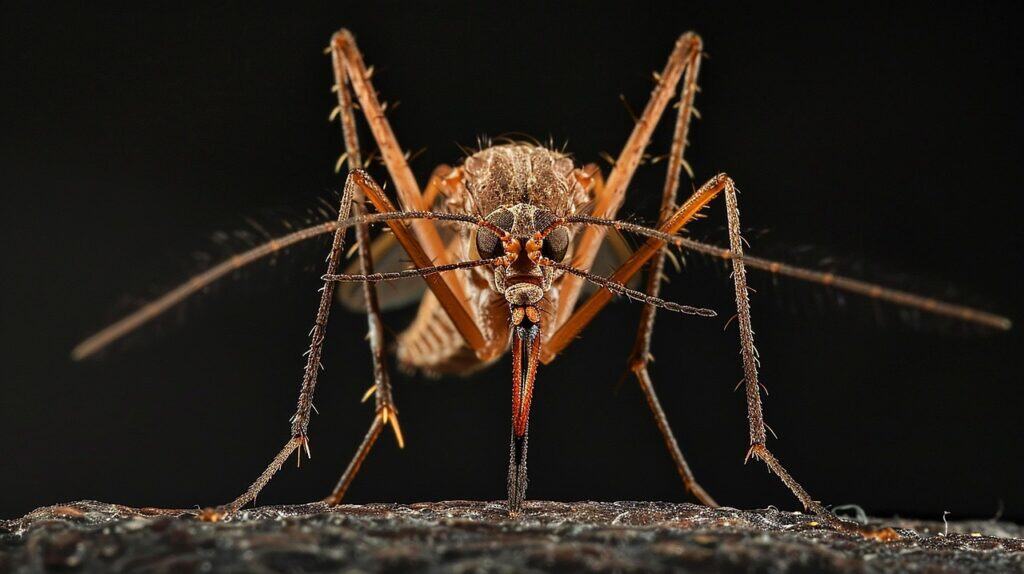
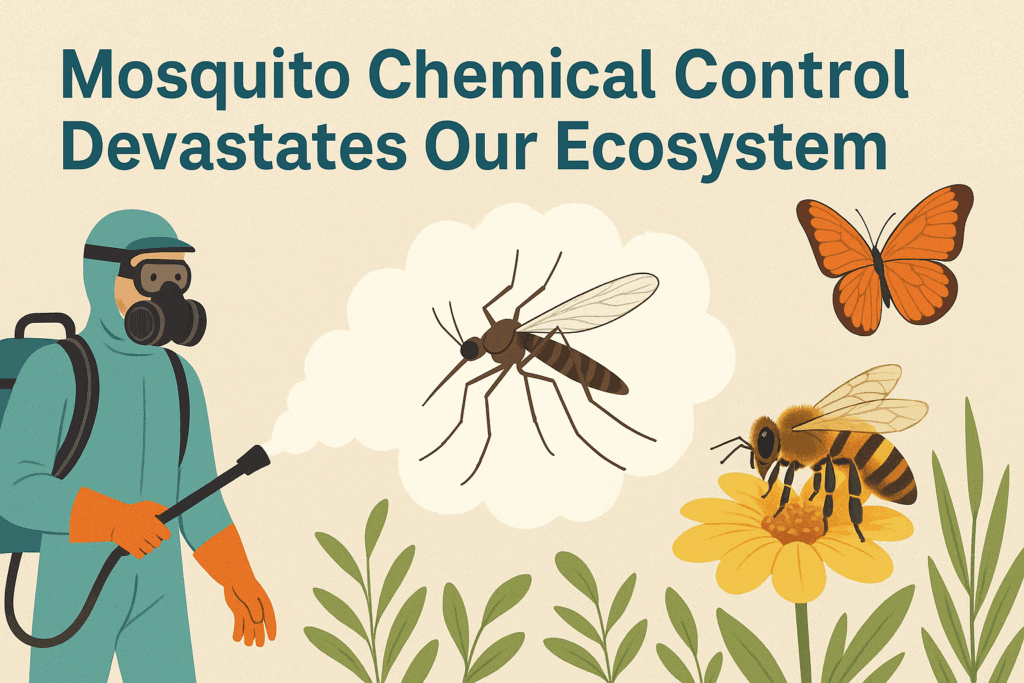
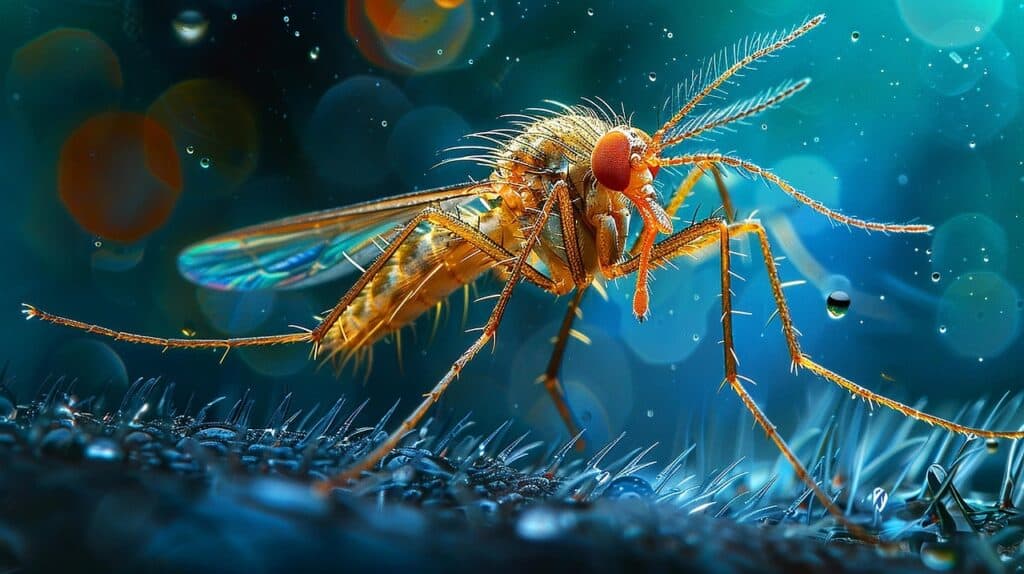
The Ineffectiveness of Fogging and Spraying
Fogging and spraying pesticides might seem like a quick fix, but they fall short of providing a lasting solution to mosquito problems. Here’s why:
Short-Lived Efficacy: Pesticides used in fogging kill adult mosquitoes on contact but do not affect the larvae. This means that within days, new adult mosquitoes emerge, necessitating repeated treatments that barely dent the overall population.
Mosquito Resistance: Mosquitoes are notorious for developing resistance to chemical treatments. Over time, the pesticides become less effective, requiring higher doses or stronger chemicals, which exacerbate the problem.
Limited Reach: Fogging is often conducted in urban and suburban areas, missing mosquito breeding grounds such as marshes, wetlands, and other stagnant water sources where mosquitoes proliferate.
The Collateral Damage to Pollinators
While fogging might offer a temporary reduction in mosquito numbers, the indiscriminate nature of these pesticides spells disaster for non-target species, particularly our vital pollinators:
Bees: Native bees are essential for pollinating our crops and wild plants. Pesticides used in mosquito control do not distinguish between mosquitoes and bees, leading to mass casualties among these crucial insects. The decline in bee populations directly threatens food security and biodiversity.
Butterflies and Moths: These delicate pollinators are also victims of fogging. Their loss disrupts the pollination of many flowering plants, leading to a cascade of negative effects throughout the ecosystem.
Other Beneficial Insects: Ladybugs, dragonflies, and predatory beetles that naturally control pest populations are collateral damage in pesticide applications. Their decline can lead to an increase in other pest species, further upsetting ecological balance.
Environmental and Health Concerns
The impact of fogging and spraying extends beyond the immediate loss of insect life:
Contaminated Waterways: Pesticides used in fogging can leach into soil and waterways, affecting aquatic life and potentially contaminating drinking water sources.
Human Health Risks: The chemicals used in mosquito control can pose health risks to humans, especially those with respiratory conditions or chemical sensitivities. Exposure can lead to a range of symptoms from skin irritation to more serious neurological effects.
Advocating for Natural Balance
Given the profound drawbacks of fogging and spraying, it’s imperative to shift towards more sustainable and effective mosquito control methods that maintain ecological balance:
Habitat Modification: Eliminating standing water where mosquitoes breed can significantly reduce their numbers. Regularly emptying containers, cleaning gutters, and maintaining proper drainage are simple yet effective measures.
Biological Control: Introducing natural predators like dragonflies, birds, and bats can help keep mosquito populations in check without harmful chemicals.
Botanical Solutions: Planting mosquito-repellent plants such as citronella, marigold, and lavender can deter mosquitoes naturally.
Public Awareness: Educating communities about the ecological impact of pesticides and promoting natural alternatives can lead to widespread change in mosquito control practices.
Be the Change: Say No to Mosquito Control Pesticides
As we confront the ecological crises of our time, it’s crucial to re-evaluate practices that do more harm than good. By rejecting fogging and spraying pesticides, we can protect our native bees and pollinators, preserve biodiversity, and foster a healthier environment. Let’s champion natural balance and sustainable solutions, ensuring a thriving ecosystem for generations to come.
The call to action is clear: Say no to mosquito control pesticides and yes to natural balance. Be the change our planet needs.
Natural Mosquito Control for Skin and Body: A Tried and Tested Guide for Adults and Children
Mosquitoes can be more than just a nuisance; they can carry diseases that pose significant health risks. While chemical repellents are effective, they often come with side effects and environmental concerns. Here’s a natural, safe, and effective method for mosquito control that is suitable for both adults and children.

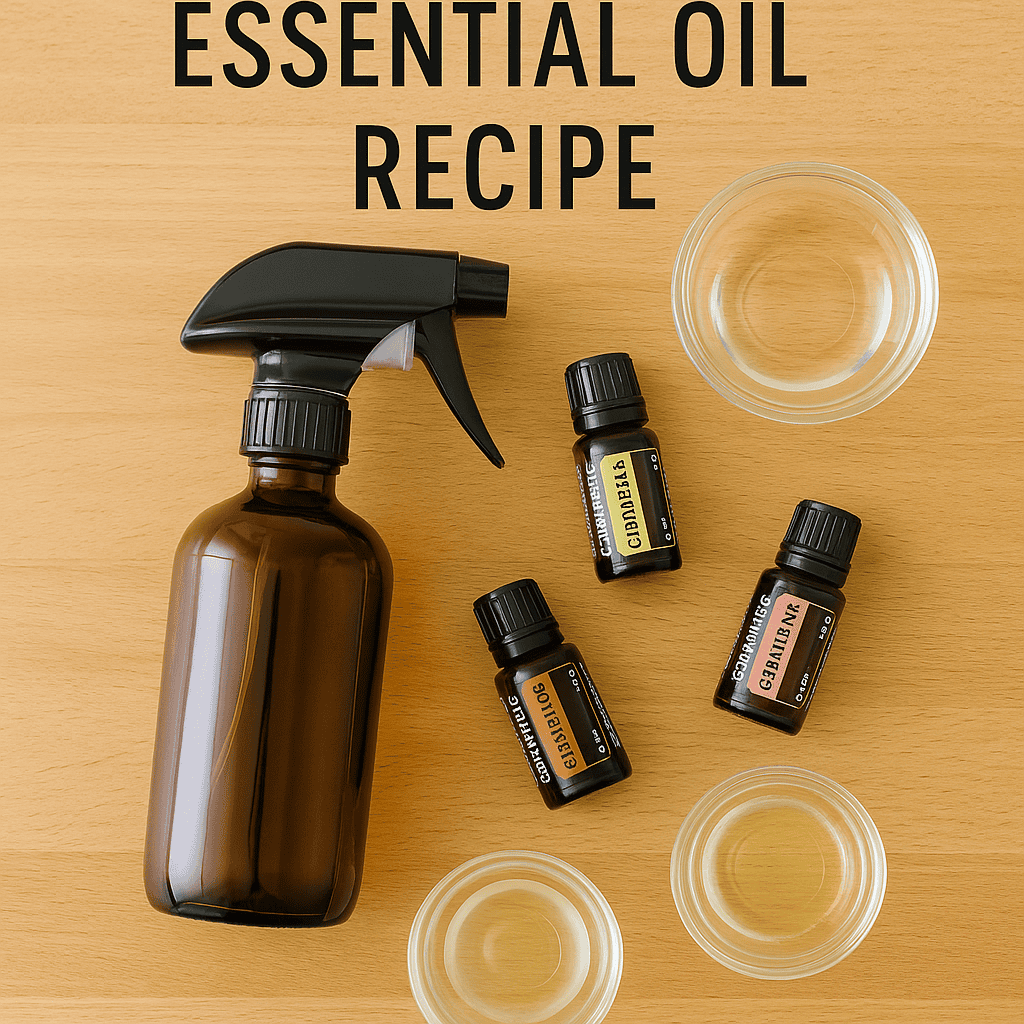

1. Essential Oil Repellent Spray
Ingredients:
10 drops of citronella essential oil
10 drops of eucalyptus essential oil
10 drops of lavender essential oil
10 drops of tea tree essential oil
2 tablespoons of witch hazel
2 tablespoons of coconut oil or olive oil
½ cup of distilled water
A small spray bottle (preferably dark glass to protect the oils from light)
Instructions:
Mix the essential oils with witch hazel in a bowl.
Add the coconut oil or olive oil and stir well.
Pour in the distilled water and mix thoroughly.
Funnel the mixture into the spray bottle.
Shake well before each use.
Application:
Spray onto exposed skin and clothing before going outside.
Reapply every 2-3 hours or after swimming or heavy sweating.
For young children, apply a small amount to a test area first to check for any skin sensitivities.
2. Herbal Mosquito Balm
Ingredients:
1 tablespoon of beeswax pellets
2 tablespoons of coconut oil
1 tablespoon of shea butter
10 drops of lavender essential oil
10 drops of cedarwood essential oil
10 drops of lemongrass essential oil
A small tin or jar for storage
Instructions:
Melt the beeswax pellets, coconut oil, and shea butter in a double boiler.
Once melted, remove from heat and let it cool slightly.
Add the essential oils and stir well.
Pour the mixture into the tin or jar and let it solidify.
Store in a cool, dry place.
Application:
Rub a small amount onto exposed skin, focusing on pulse points like wrists, neck, and behind the ears.
Reapply as needed, especially after sweating or swimming.
3. Natural Mosquito Repellent Lotion
Ingredients:
½ cup of coconut oil
¼ cup of shea butter
¼ cup of aloe vera gel
15 drops of peppermint essential oil
10 drops of tea tree essential oil
10 drops of geranium essential oil
A small jar for storage
Instructions:
Melt the coconut oil and shea butter in a double boiler.
Once melted, remove from heat and let it cool slightly.
Add the aloe vera gel and stir well.
Add the essential oils and mix thoroughly.
Pour the mixture into the jar and let it solidify.
Application:
Apply to exposed skin before heading outdoors.
The lotion also provides moisturizing benefits, making it perfect for daily use.
Safe for children, but always perform a patch test first.
4. DIY Mosquito-Repellent Wristbands
Materials:
Cotton wristbands or strips of cotton fabric
10 drops of citronella essential oil
10 drops of eucalyptus essential oil
10 drops of lavender essential oil
10 drops of peppermint essential oil
A small bowl
Instructions:
Mix the essential oils in the bowl.
Soak the wristbands or cotton strips in the essential oil mixture.
Allow them to absorb the oils and dry completely.
Store in a sealed plastic bag when not in use to maintain potency.
Application:
Wear the wristbands or tie the strips around wrists and ankles.
Reapply the essential oils to the wristbands every few days or as needed.
Tips for Best Results
Always perform a patch test when using new essential oils, especially on children, to ensure there are no allergic reactions.
Avoid applying essential oils near the eyes, mouth, or open wounds.
Combine these methods with other natural mosquito control strategies, such as removing standing water from your surroundings and using mosquito nets or screens.
For added protection, consider using mosquito-repellent clothing or covering up with long sleeves and pants during peak mosquito hours (dawn and dusk).
By adopting these natural mosquito control methods, you can protect yourself and your family from mosquito bites without relying on harmful chemicals, contributing to both personal health and environmental well-being.
Research and References: Building Natural Resilience Against Biting Insects
The strategies outlined in this guide are supported by scientific research, medical sources, and sustainable living best practices. Use the links below for further reading, validation of claims, and improved understanding of how natural insect repellents, supplements, and skin care routines can protect you in outdoor environments.
Essential Oils & Natural Repellents
EPA-Registered Natural Repellents List (Citronella, Oil of Lemon Eucalyptus)
Efficacy of Essential Oils Against Mosquitoes – National Library of Medicine
Mosquito Repellents: Choosing the Right One (Environmental Working Group)
Lavender, Tea Tree, and Eucalyptus as Natural Insecticides – ScienceDirect
Vitamin & Supplement Research
Thiamine (Vitamin B1) as a Mosquito Repellent – Clinical Studies
Role of Garlic in Mosquito Repellence – Journal of Vector Ecology
Zinc and Immunity – NIH Fact Sheet
Quercetin and Bromelain for Allergy Relief – Verywell Health
L-Lysine Benefits for Skin and Immunity – Healthline
Permethrin and Clothing Treatments
CDC: Use and Safety of Permethrin-Treated Clothing
Effectiveness of Permethrin Against Ticks – Lyme Disease Association
How to Safely Apply Permethrin to Outdoor Clothing – Consumer Reports
Tick and Chigger Prevention
Natural Tick Repellents That Work – Mother Earth News
Integrated Tick Management – University of Rhode Island TickEncounter Resource
Chiggers in the Landscape – University of Missouri Extension
Skin Health and Bug Attractants
Why Mosquitoes Bite Some People More – Smithsonian Magazine
Sweat and Skin Microbiota in Insect Attraction – PLOS ONE
Shower Tips for Reducing Mosquito Bites – Cleveland Clinic
Additional Natural Living Resources
Rodale Institute: Natural Pest Control for Gardeners
Herbal Skin Remedies and Outdoor Salves – Mountain Rose Herbs
Learn More:
Read next: How to Make Your Own Natural Bug Balm for Summer Skin Defense
Related: The Top 10 Plants That Repel Mosquitoes Naturally
Explore: Eco-Friendly Gardening Tools and Insect Control Gear for 2025
Building resilience to mosquito, tick, and chigger bites requires a holistic approach: cleansing properly, applying natural barriers, using plant-based repellents, wearing the right clothing, and supporting your immune system from within. Garlic, Zinc and B1 supplements are acknowledged to support resistance in some if taken regularly. By consulting the sources above, you’ll find the science to support your choices and empower your garden defense with knowledge rooted in both evidence and ecology.