Oak Tree Masting: Nature’s Cyclic Abundance
A deeper look at rhythm, restraint, and the intelligence of trees.
What is oak tree masting and why does it happen?
Oak tree masting is the cyclical production of large quantities of acorns in certain years, followed by periods of low production. This synchronized behaviour helps overwhelm seed predators, improve pollination success, and increase the chances of successful regeneration. Masting is influenced by climate, resource availability, and internal biological cycles.
In the grand tapestry of nature, certain events capture our attention and ignite our curiosity. One such phenomenon is oak tree masting — a remarkable reproductive strategy displayed by certain oak species. With synchronized precision, these majestic trees produce an overwhelming abundance of acorns in periodic cycles. Oak tree masting captivates scientists and ecologists, but also influences the lives of numerous organisms within their ecosystem.
Understanding Oak Tree Masting
Oak masting refers to the synchronized and sporadic production of a large number of acorns by oak trees over a specific period. Unlike regular fruiting patterns, oak masting occurs irregularly — often with several years of low acorn production followed by a bumper crop. This pattern can repeat every few years or even on a decade-long timescale, depending on the species.
The Mechanism Behind Oak Masting
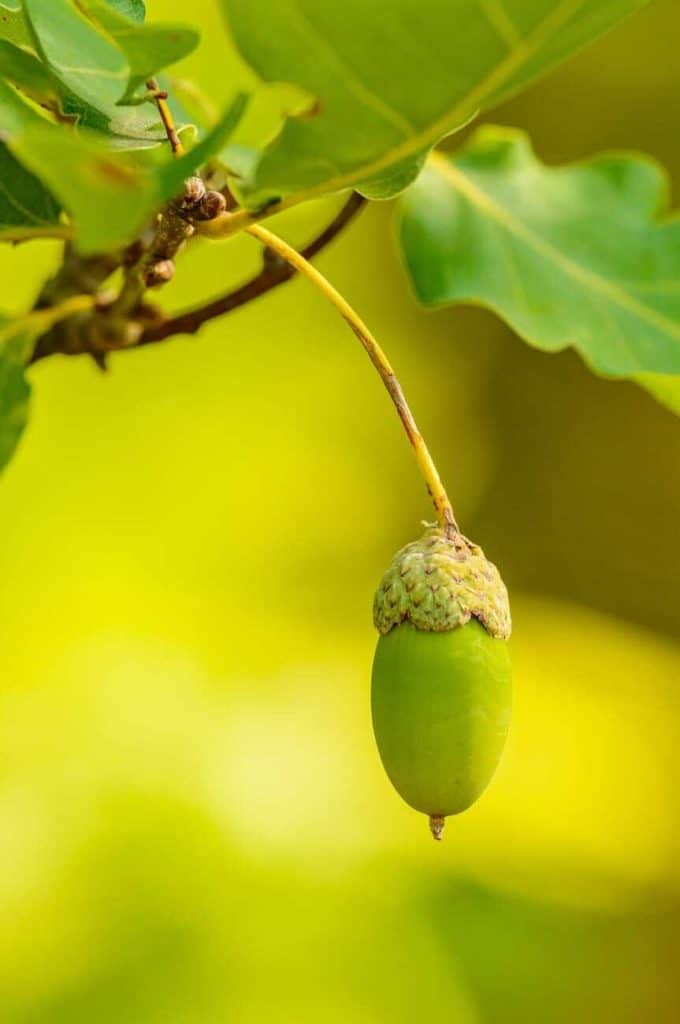
While the exact triggers for oak masting remain a subject of ongoing scientific research, several theories have emerged to explain this phenomenon. One hypothesis suggests that external factors — such as weather conditions or climate cues — play a crucial role in synchronizing oak masting events. A combination of favorable weather conditions, including a cold winter and wet spring, may stimulate oak trees to produce an abundance of acorns.
Another theory proposes that oak masting is an adaptive strategy that helps ensure successful reproduction. By producing a surplus of acorns in certain years, oaks increase the chances of at least some of them surviving to maturity. This allows the species to overcome the challenges of predation, disease, and unfavorable environmental conditions — thereby increasing the likelihood of successful seed dispersal and the establishment of new oak saplings.

Ecological Impacts of Oak Masting
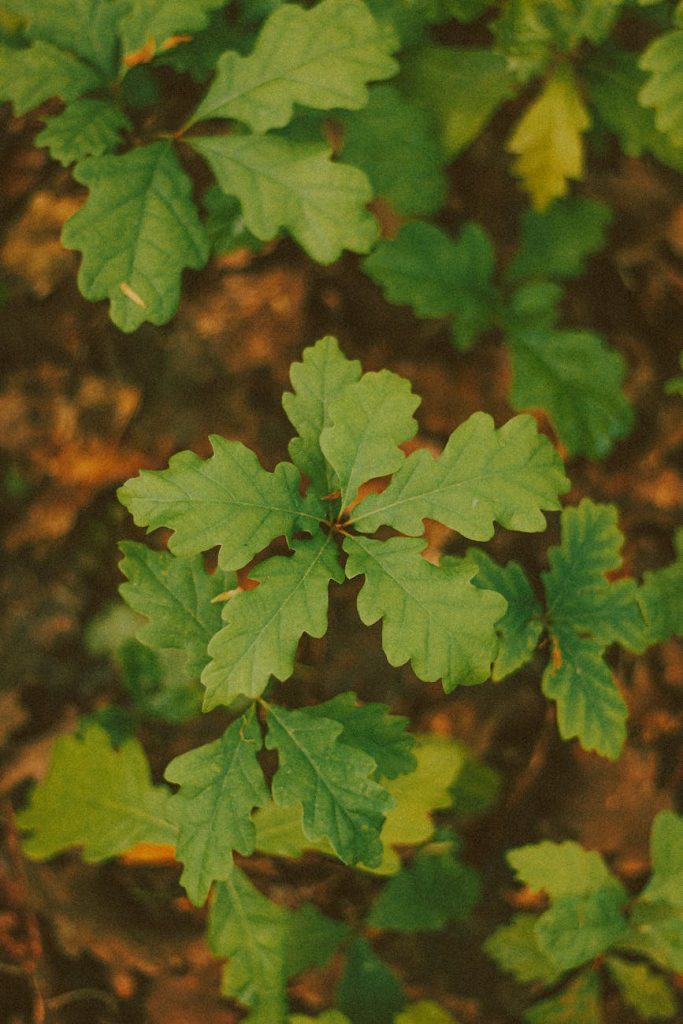
The ramifications of oak masting extend far beyond the trees themselves. The cascade of events triggered by a bumper crop of acorns influences entire ecosystems. For many woodland creatures — squirrels, deer, birds, and rodents — an abundant acorn supply provides a crucial food source that sustains them throughout the year. This surplus leads to population booms and increased reproductive success for these animals.


Moreover, the increased availability of food can alter the behavior and movements of animals. Migratory bird species that typically travel long distances may remain closer to their oak-rich habitats, leading to localized shifts in bird populations. The abundance of acorns can also influence the foraging patterns of animals, affecting the distribution and interactions among herbivores and their predators.
Oak Species That Display Masting
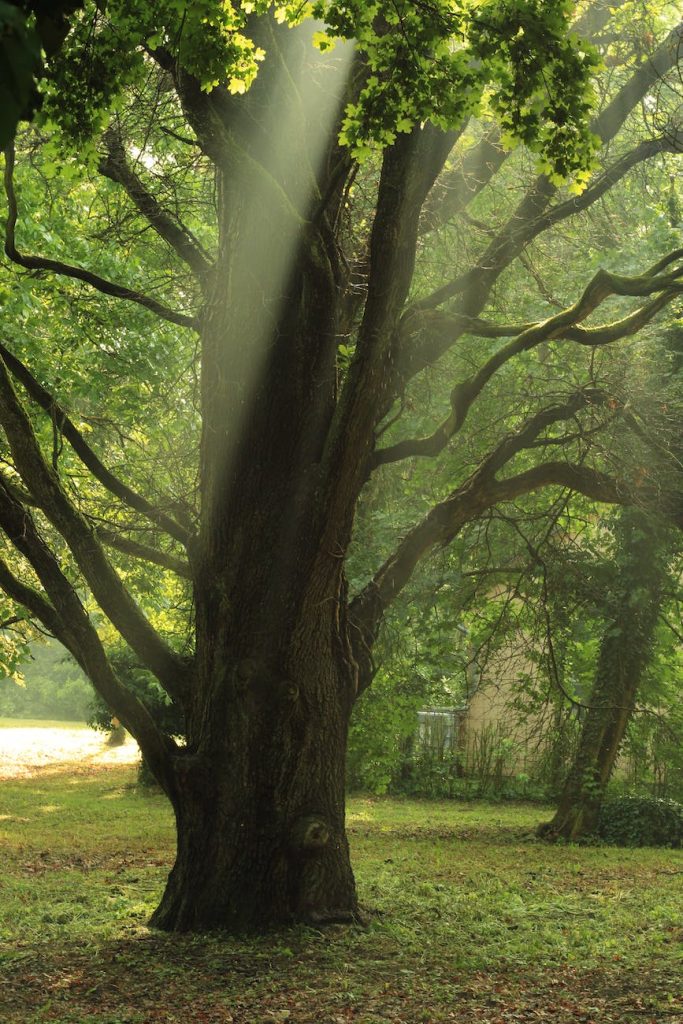
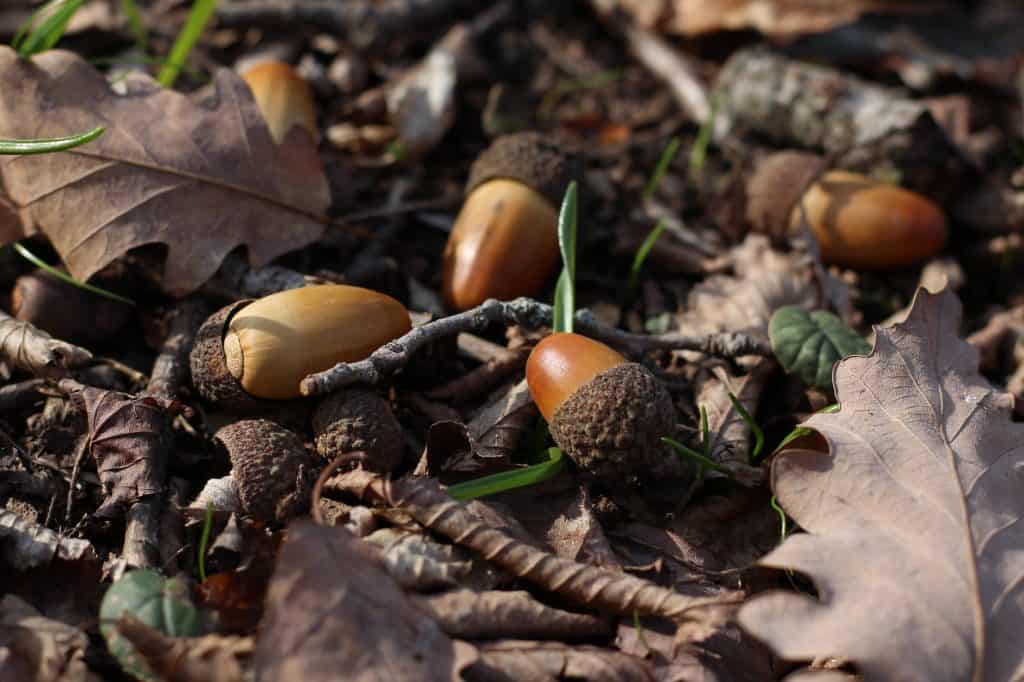
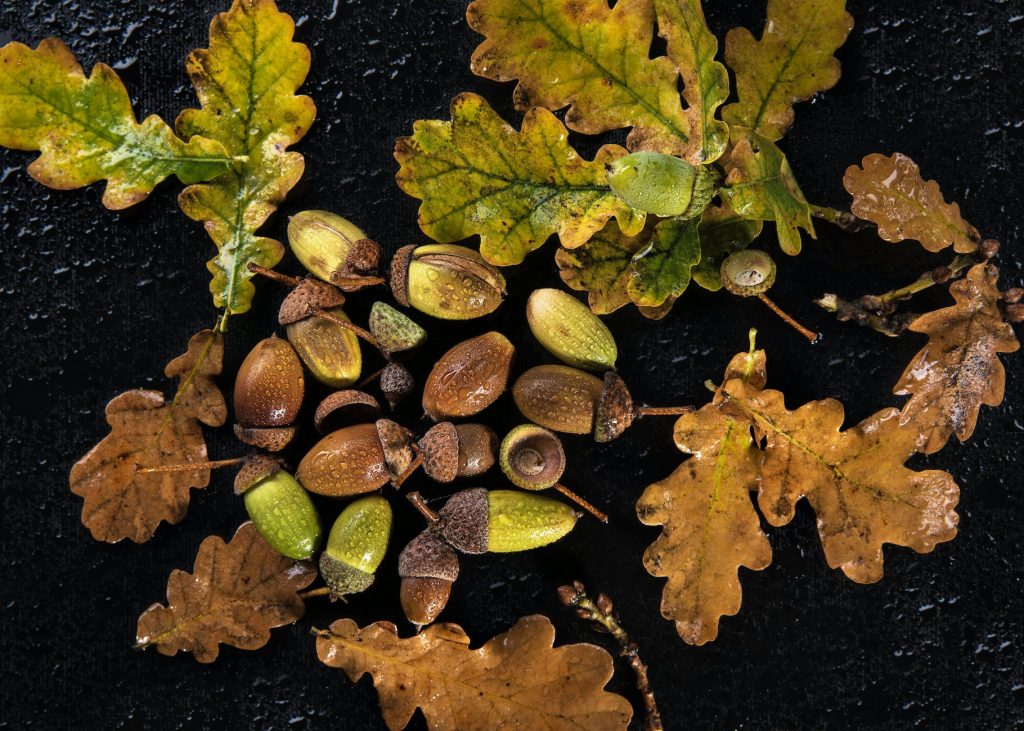
Several oak species are known to exhibit masting behaviour — including the white oak, red oak, black oak, and chestnut oak. Not all individual trees within a species will necessarily exhibit oak masting in a given year. The phenomenon varies by location, climate, and the specific conditions each tree experiences.
External Factors That Trigger Masting
Several external factors can trigger oak masting. Weather conditions — particularly temperature and rainfall — are among the most significant. The amount of sunlight trees receive also plays a role, as does the presence of certain pests and diseases. Changes in soil composition or nutrient levels can impact masting, as can shifts in the surrounding ecosystem. Many interacting factors influence the timing and intensity of oak masting, making it a complex phenomenon to study and understand.
Conservation Implications
Understanding the intricacies of oak masting is crucial for conservation efforts and the preservation of ecosystems. The irregularity and sporadic nature of oak masting make it challenging to predict and manage the impacts on both flora and fauna. However, acknowledging its significance can inform land management strategies — ensuring the protection and conservation of oak species and their associated biodiversity.
There are several approaches that can help protect oak species. Actively managing forests to promote oak regeneration — by selectively thinning competing species and planting new oaks — is one strategy. Limiting the spread of invasive species and implementing prescribed burns can also promote oak growth and restore natural fire regimes.
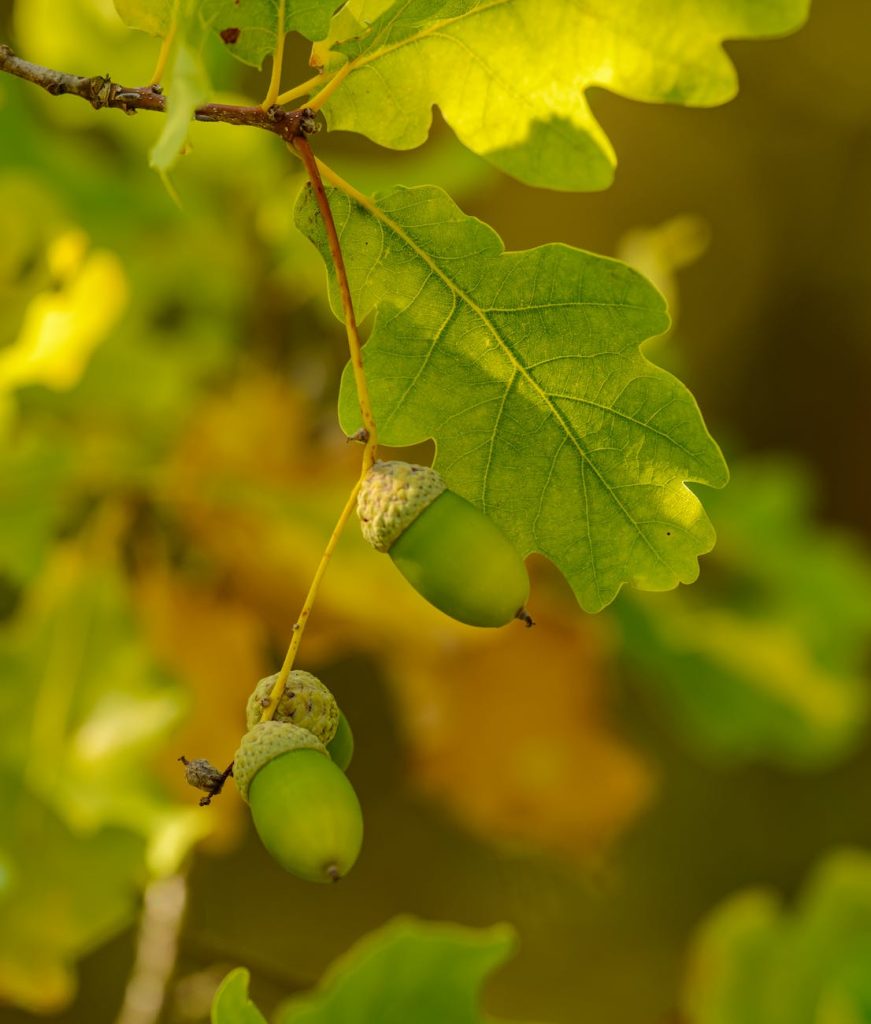
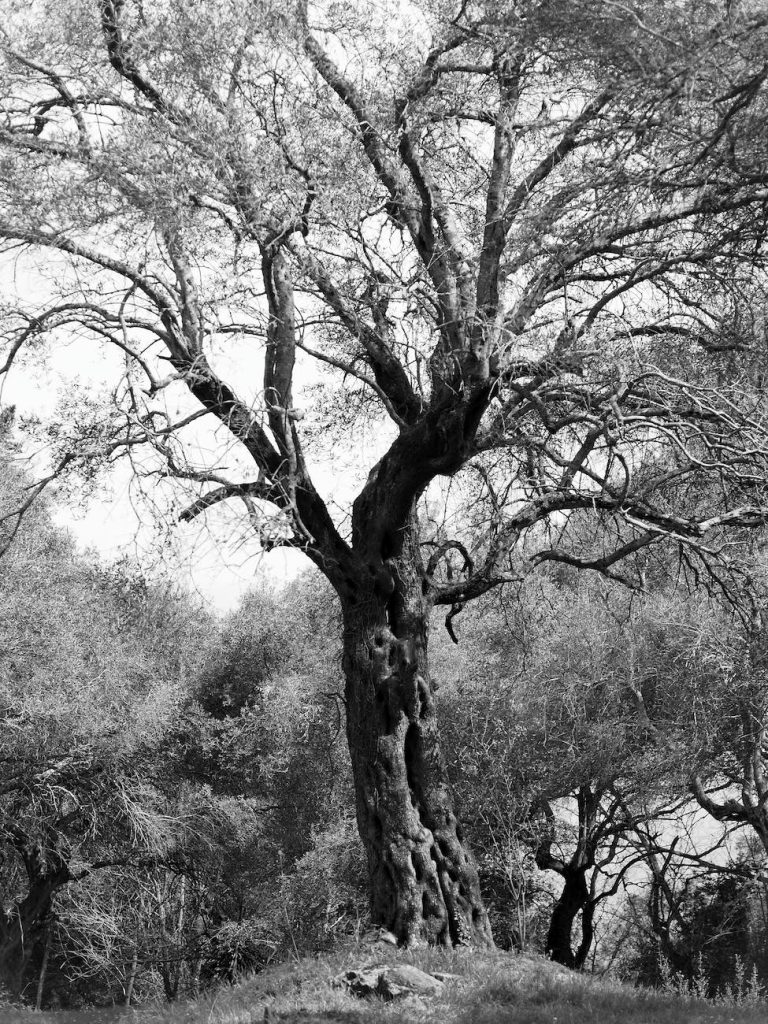
Oak masting is not just a curiosity of nature — it is a keystone event that shapes entire ecosystems.
Closing reflection
An oak does not produce for the moment.
It produces for the cycle.
And when the cycle turns—
when the conditions align—
it gives everything at once.
Then it rests.
There is something in that worth noticing.
Not just in trees—
but in how we think about abundance, masting, and growth itself.
Oak masting stands as a testament to the intricate connections between plants, animals, and their environment. The synchronized and sporadic production of acorns by oak trees is a captivating phenomenon that impacts entire ecosystems. By studying and appreciating the mechanisms and ecological consequences of oak masting, we gain valuable insights into the resilience and adaptability of nature. As we continue to unravel its secrets, let us strive to protect these remarkable trees and the habitats they sustain.
I have always been fascinated by oak trees — from the regal English Oak (Quercus robur) to the Evergreen Oaks of stately parks (Quercus ilex). They have such an important role to play in our ecosystem, from providing habitats to enriching rivers and inlets with composting leaves that support the food chain.