Observation as the gardener's most important skill.
What does it mean to read a garden instead of control it?
To read a garden means observing how light, soil, water, and existing plants behave before taking action. Instead of forcing changes, you respond to what is already happening, allowing the landscape to develop more naturally and with greater resilience.
Many gardeners begin with a plan. Borders are measured, plants are chosen, and the land is expected to follow instructions.
Yet over time, it becomes clear that gardens do not respond well to force.
A garden is not a blank canvas waiting to be arranged. It is a living system already in motion.
To read a garden well is first to read what is already there.
Observation is not just a step before gardening.
It is the work itself. These are not accidents. They are signals.
These signals rarely appear all at once. They repeat, and through that repetition, they begin to form patterns.
Reading a garden means recognising these signals and allowing them to guide action rather than imposing decisions too quickly.
What to Observe
Begin with the elements that shape the garden long before plants are added.
Light
Notice where sunlight reaches in early morning and where shade settles in the afternoon. Trees, buildings, and seasonal leaf cover will change these patterns through the year.
Water
Observe where water gathers after rain and where soil dries quickly. Slight changes in slope often determine which plants will thrive.
Soil
Texture, colour, and smell reveal much about soil health. Dark, crumbly soil often holds life and organic matter, while pale or compacted soil may require patience and restoration.
Existing Plant Life
Volunteer plants are often the most honest indicators of what a place wants to grow. Rather than removing them immediately, study why they are successful.
Reading a garden is an act of humility.
What It Means
These observations reveal the character of the place.
Every garden contains microclimates — small variations in temperature, moisture, and light that shape plant behaviour. When gardeners ignore these conditions and attempt to force uniformity, plants struggle.
When gardeners respond to them, landscapes stabilise.
Reading a garden is therefore an act of humility. It acknowledges that the land already contains knowledge about what belongs there.
When the Garden Is Misread
When action comes too quickly, the signals become harder to interpret.
Multiple changes made at once obscure cause and effect.
Plants respond—but the meaning is lost.
Clarity does not come from doing more. It comes from allowing time between actions.
How to Respond
Once the garden has been observed, intervention becomes more thoughtful.
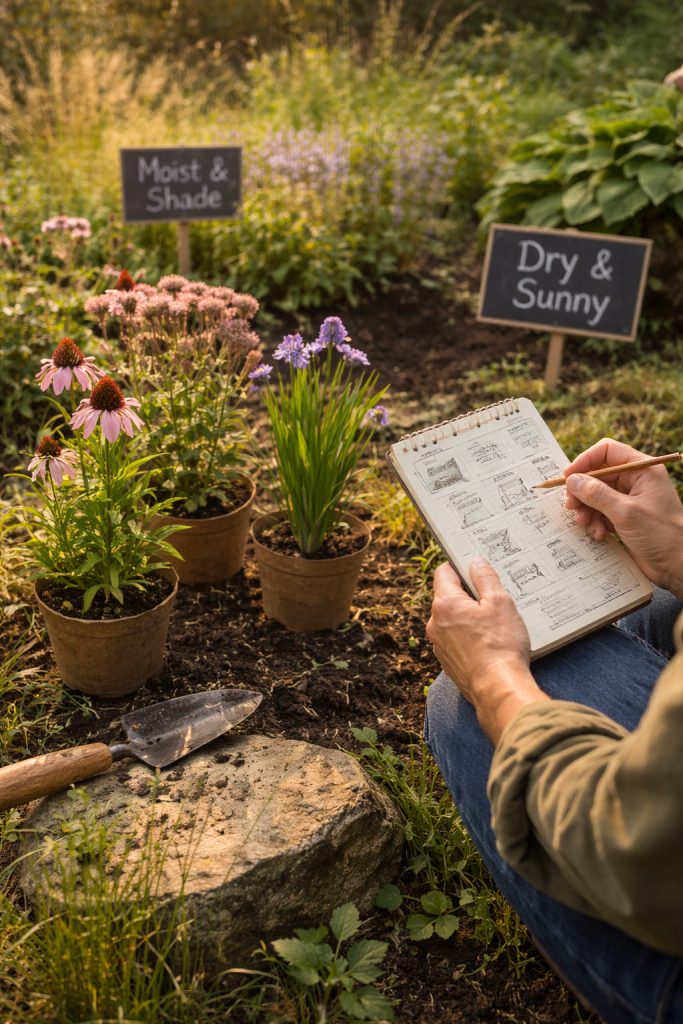
Choose plants suited to existing conditions rather than trying to modify the entire site.
Allow natural patterns to inform layout rather than rigid geometry.
Work with the land’s strengths rather than correcting its perceived flaws.
In time, this approach reduces maintenance and increases resilience.
A Simple Way to Begin
Choose one small area of your garden.
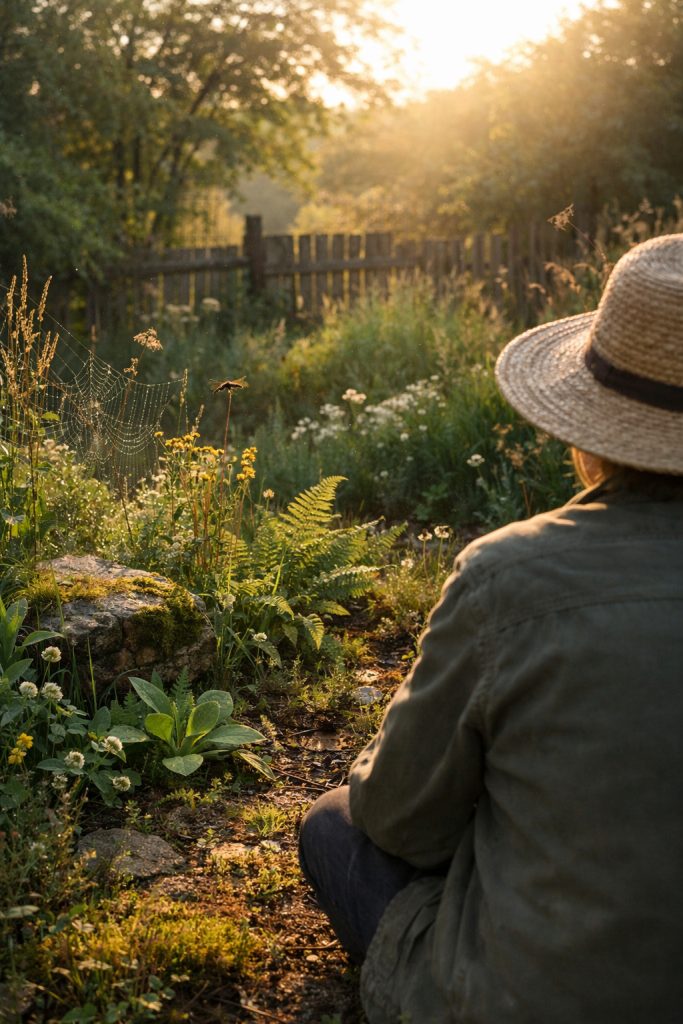
Visit it at the same time each day for a week.
Notice what changes, and what remains the same.
Do not act immediately. Let the pattern form first.
Seasonal Notes
Gardens reveal different information throughout the year.
Spring
Spring shows where life emerges earliest.
Summer
Summer exposes drought stress and heat patterns.
Autumn
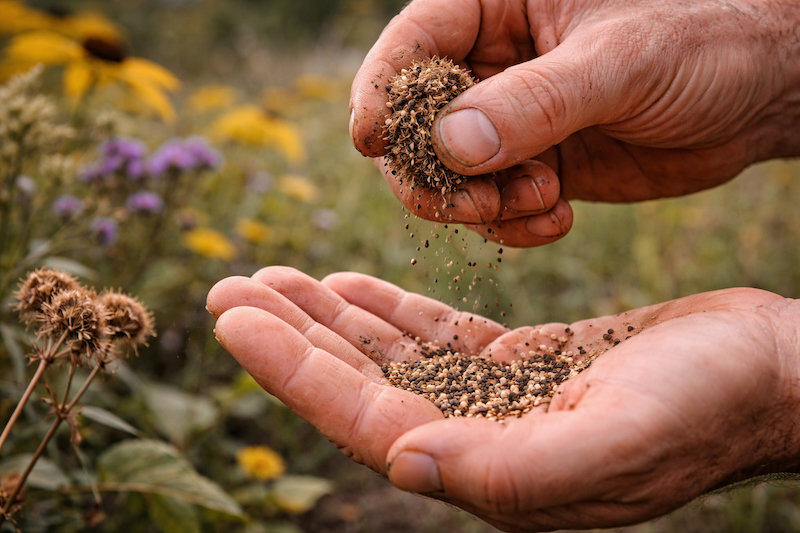
Autumn reveals seed cycles and plant succession.
Winter
Winter strips the landscape back to its structural truths — soil, form, and water movement.
Each season adds another layer of understanding.
Field Practice
Spend time walking your garden without tools.
Observe where frost lingers longest.
Notice where plants appear uninvited.
Watch how light shifts across a single border through the day.
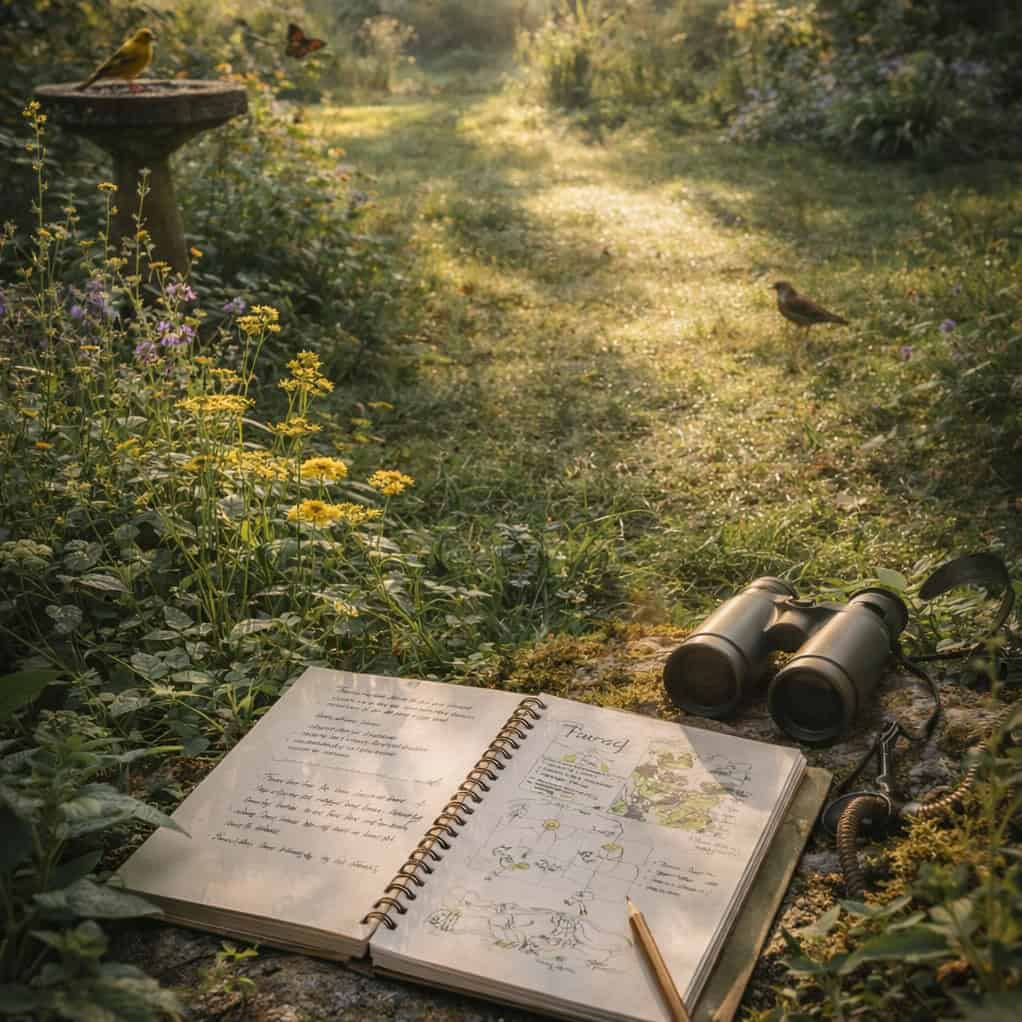
Record what you see.
Resist the urge to change anything immediately.
The garden will reveal more if given time.
In time, what once felt uncertain becomes familiar.
Not because the garden has simplified—but because you have learned how to read it.
From that point, the work changes.
It becomes less about control, and more about response.
This is where the work begins—not with planting, but with understanding.
And from here, the next step is not to choose at random, but to recognise what already belongs.