How to Collect, Clean, and Store Native Plant Seeds
I have loved collecting seeds with memories of hedgerows full of native blooms and berries. Seeds are a great gift and a meaningful reminder of new life and regeneration. Enjoy my guide to collecting, storing, and conserving native plant seeds for wildlife and garden sustainability — and a colourful, pollinator-filled future.
Collecting, cleaning, and storing your own native plant seeds can offer many benefits, especially for gardeners, ecologists, and conservationists who want to support local ecosystems and promote sustainability.
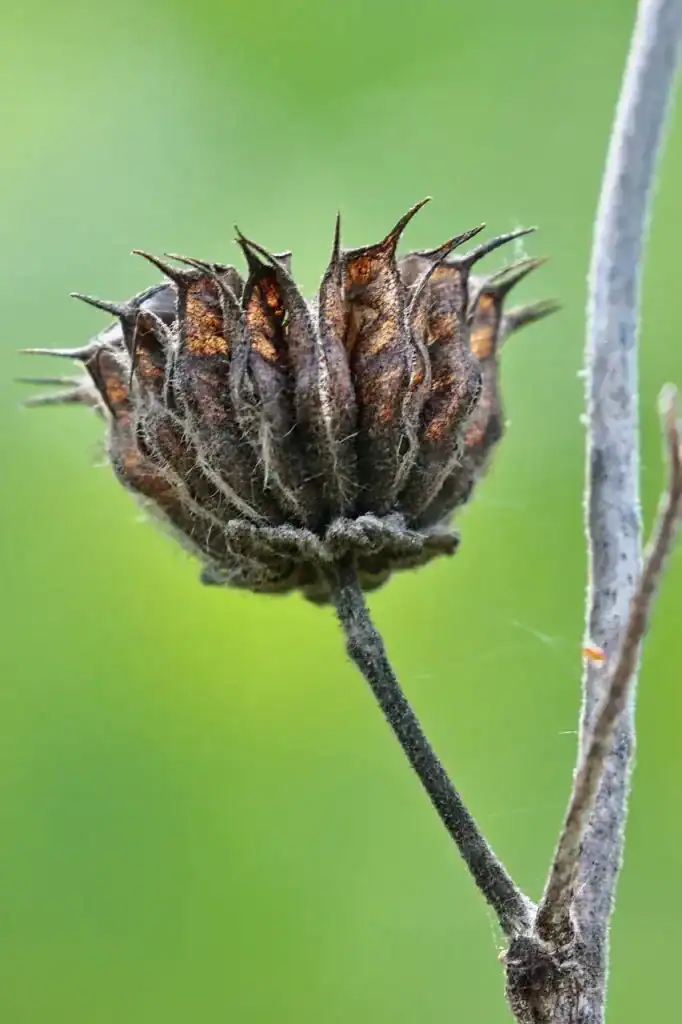
Why Collect Your Own Native Seeds
- Preserves Local Biodiversity: Collecting native seeds helps preserve local plant genetics, which are often best suited to thrive in the unique soil, climate, and conditions of a particular region.
- Supports Pollinators and Wildlife: Native plants have evolved in tandem with local species, providing them with specific resources and shelter. Collecting and planting these seeds helps create or restore habitats that benefit a wide array of native species.
- Cost-Effective and Sustainable: Harvesting seeds from existing native plants reduces the need to buy seeds or plants each year, offering a sustainable and economical way to expand gardens and natural areas.
- Promotes Resilient Plants: Seeds collected from plants that have successfully thrived in local conditions are likely to produce resilient offspring — tough and adaptable to local pests, diseases, and environmental stressors.
- Encourages Self-Sufficiency: Gathering and managing native seeds fosters a deeper connection to the natural world and gives individuals control over what grows in their gardens.
- Aids in Habitat Restoration: Native seeds can be used in rewilding efforts and habitat restoration projects, helping to establish sustainable plant communities that stabilize soil, reduce erosion, and improve water quality.
- Promotes Seed Diversity: Collecting seeds from a range of plants within a species increases genetic diversity, helping to safeguard plant populations against disease, climate variability, and pests.
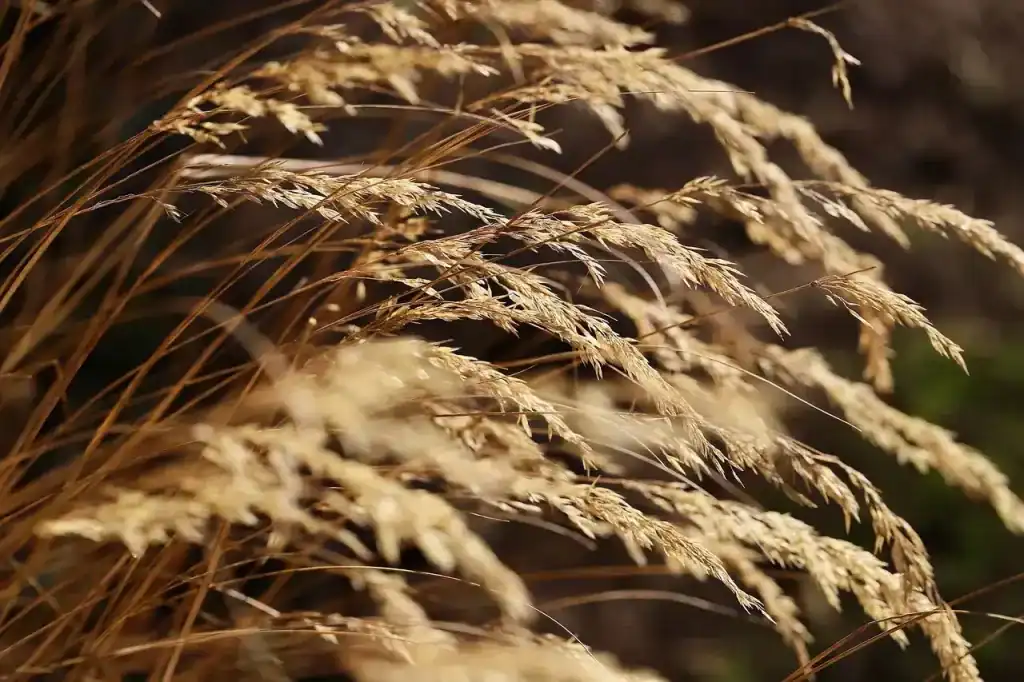
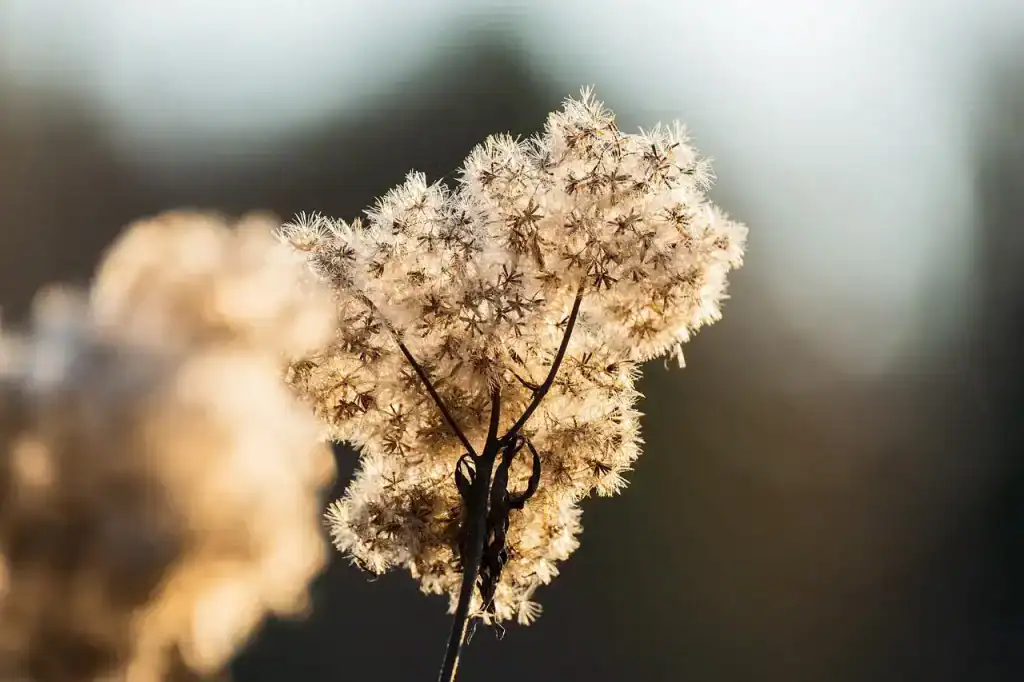
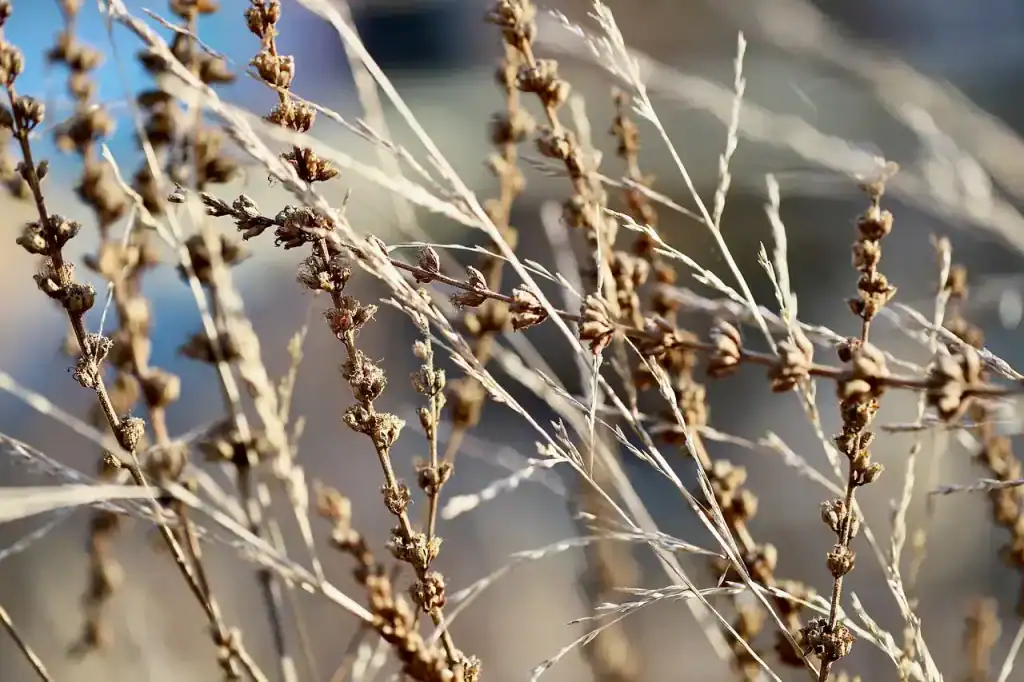
Tips for Collecting, Cleaning, and Storing Native Seeds
- Collection: Always collect seeds ethically, leaving enough for natural regeneration and wildlife. Choose seeds from healthy, mature plants.
- Cleaning: Remove any debris, husks, or seed coatings that could harbour mould or pests.
- Storage: Store seeds in a cool, dry place, in breathable bags or envelopes. Label each with the species name and collection date for reference.
Types of Native Plant Seeds and Storage Requirements
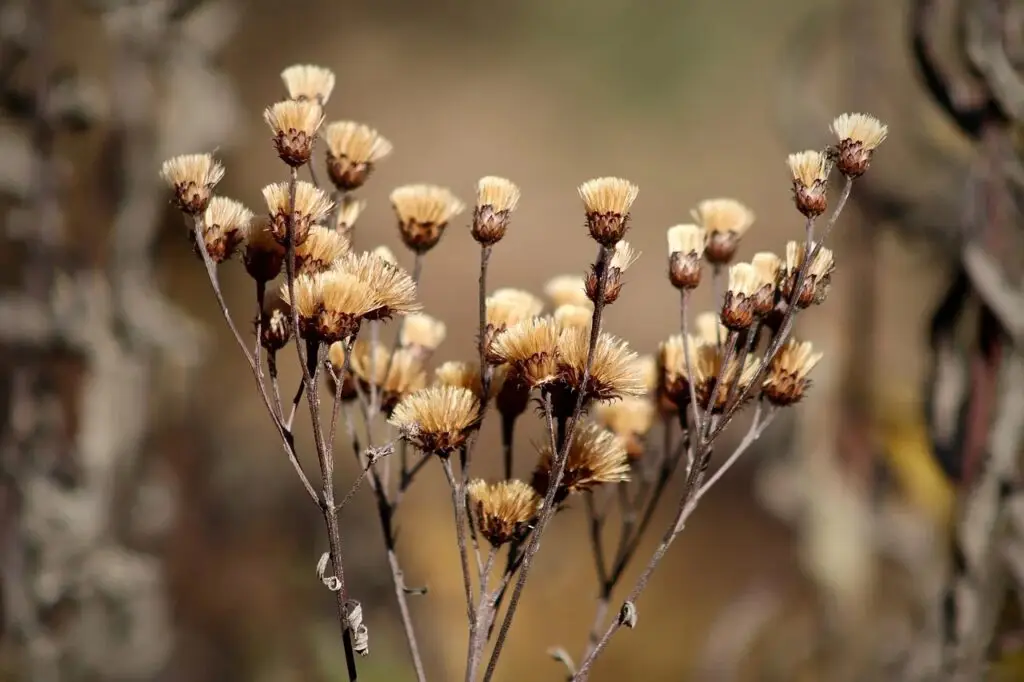
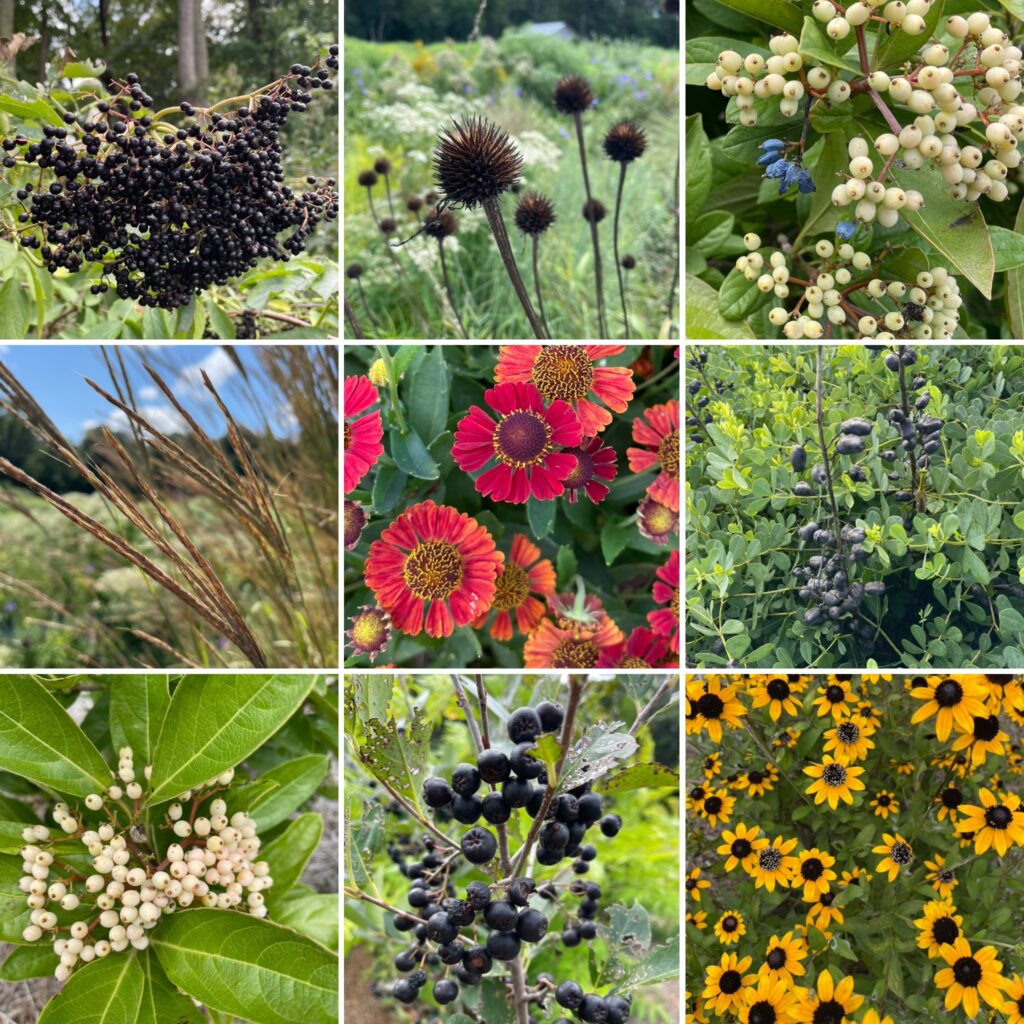
Dry Seeds (e.g., Milkweed, Coneflower, Black-eyed Susan)
Characteristics: These seeds naturally dry out on the plant before dispersal, often from plants that grow in open, sunny habitats.
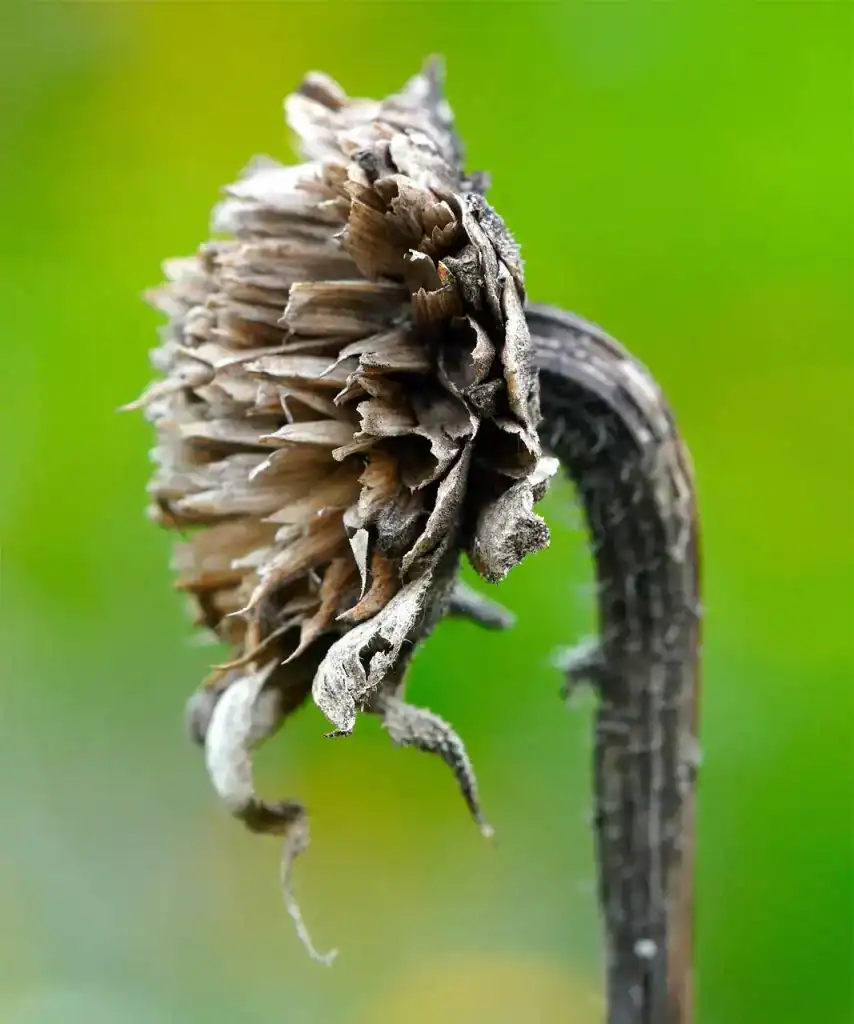
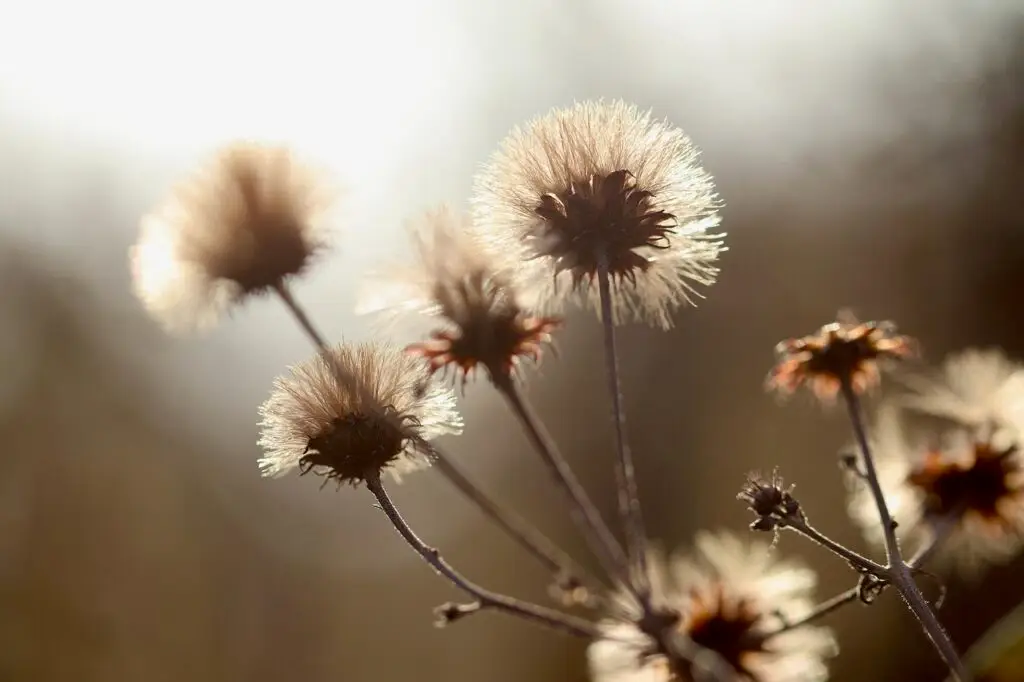
Collection: Harvest dry seeds directly from seed heads, pods, or capsules when they have turned brown or begun to split open.
Cleaning: Gently remove any chaff. Store seed heads in a brown grocery bag — for fine seed, place a paper towel in the bottom to catch small seeds. Once dry, gently shake the bag to allow seeds to fall.
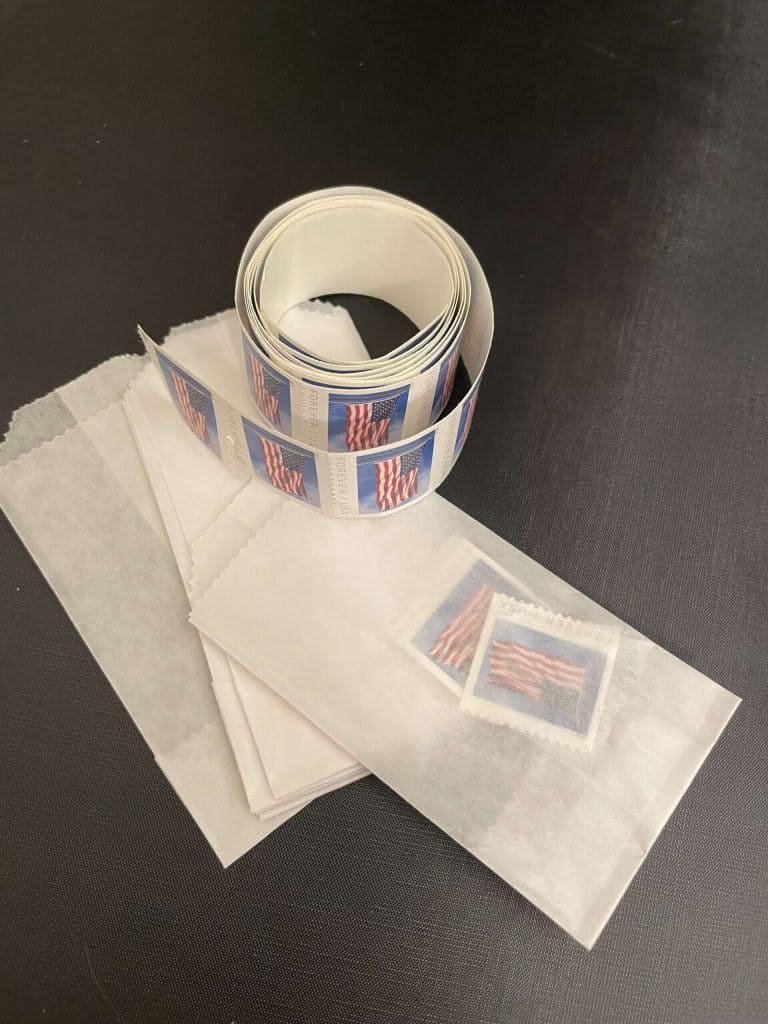
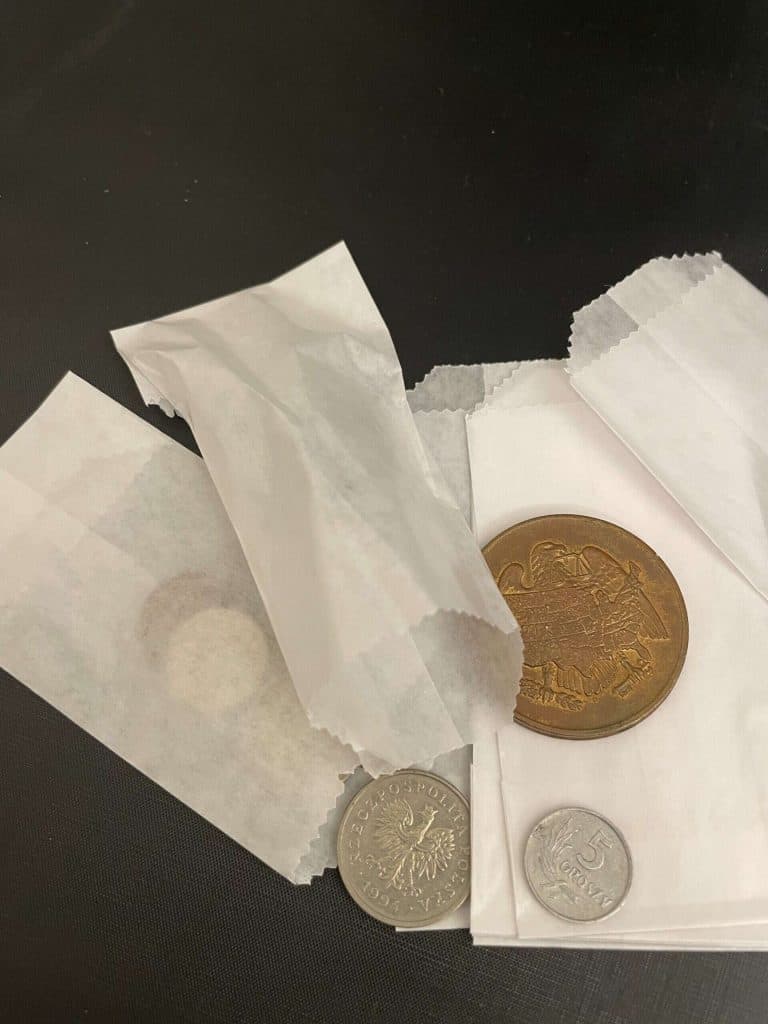
Storage: Clean seeds can be stored in glassine envelopes — the perfect size for many seeds and ideal for sharing with friends. Store in a cool, dark, dry place, ideally between 32–41°F (0–5°C). The bottom drawer of a refrigerator works well.
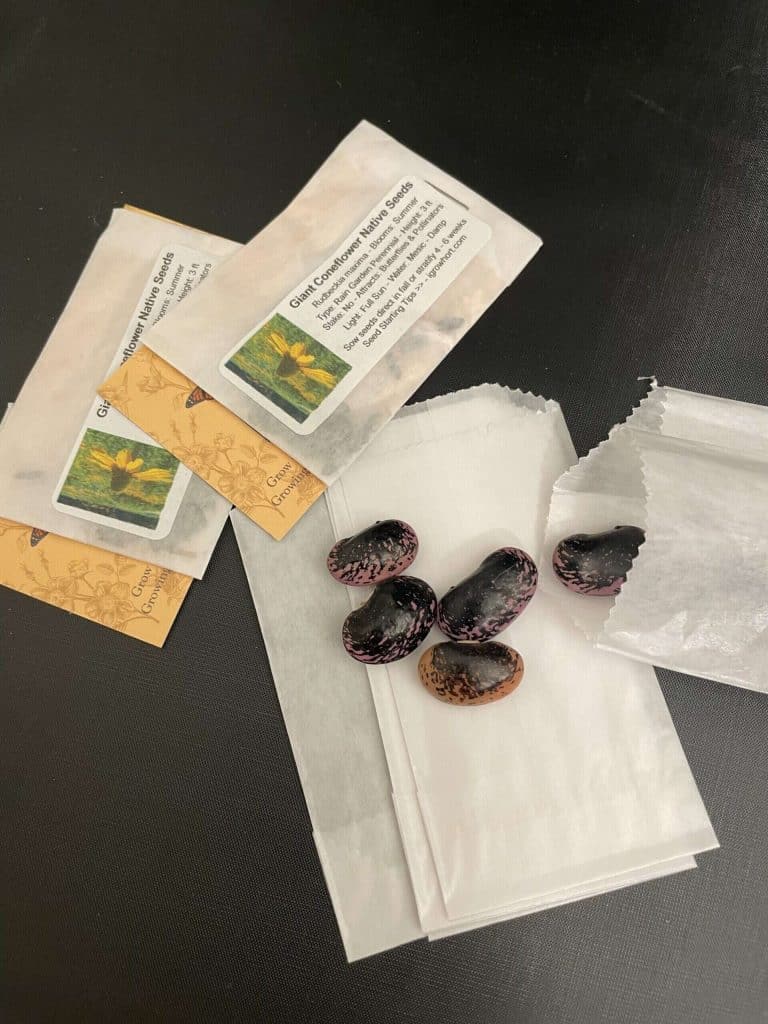
Special Notes: Cold stratification (placing seeds in moist sand or vermiculite in the refrigerator for 30–60 days) is often required to break dormancy for spring planting, especially for milkweed.
Fleshy Fruit Seeds (e.g., Viburnum, Elderberry, Serviceberry)
Characteristics: Seeds from fleshy fruits are often dispersed by animals and need to be extracted from the fruit pulp for optimal storage.
Collection: Collect ripe berries or fleshy fruits when fully mature, usually in late summer or fall.
Cleaning: Remove seeds from the pulp by soaking in water and gently scrubbing. The pulp can inhibit germination, so ensure seeds are thoroughly cleaned.
Storage: After drying, store in a cool, dry place. Seeds like serviceberry and elderberry benefit from cold stratification over winter to simulate seasonal conditions.
Special Notes: These seeds may require a warm stratification period (3–6 months) followed by cold stratification to trigger germination.
Winged or Wind-Dispersed Seeds (e.g., Maple, Ash, Sycamore)
Characteristics: Winged seeds rely on wind to scatter and are well adapted to fall in open areas.
Collection: Collect as they fall, typically in late summer or early fall. Maple samaras are easily collected when dry and brown.
Cleaning: Separate the wings if possible, though this is optional as long as the seed itself is intact.
Storage: Store in a dry, cool environment. Many wind-dispersed seeds require cold stratification (1–3 months) before planting.
Special Notes: For certain maple species, it’s best to plant fresh, as their seeds have a short viability period.
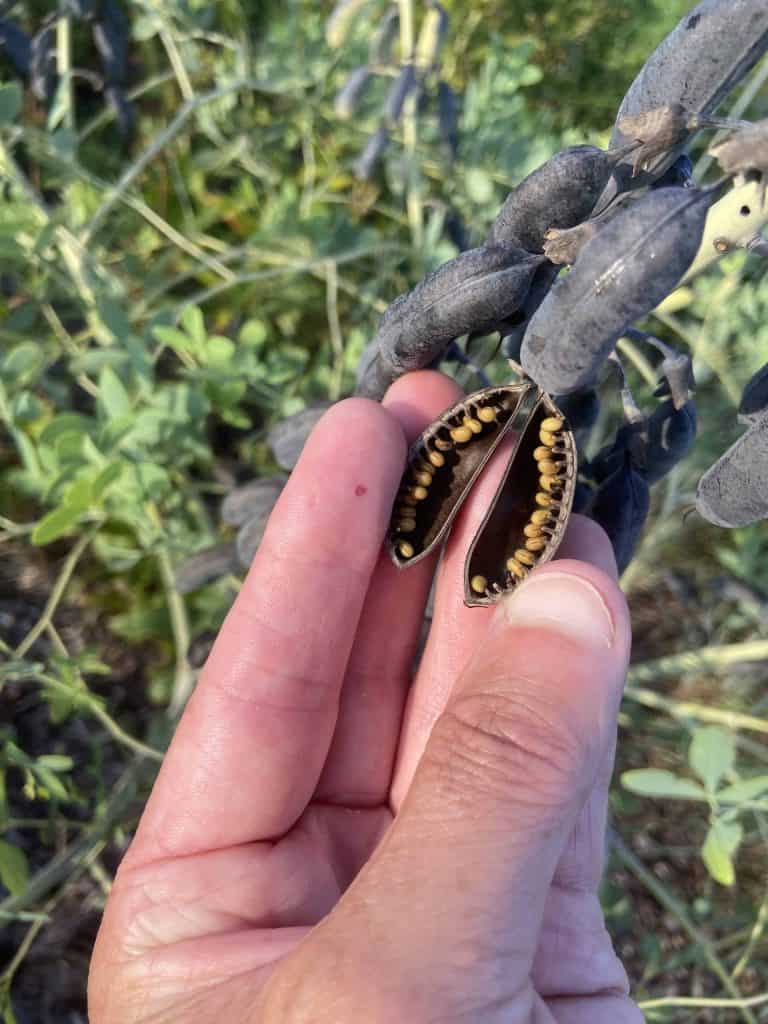
Capsules and Pods (e.g., Lupine, Penstemon, Wild Indigo)
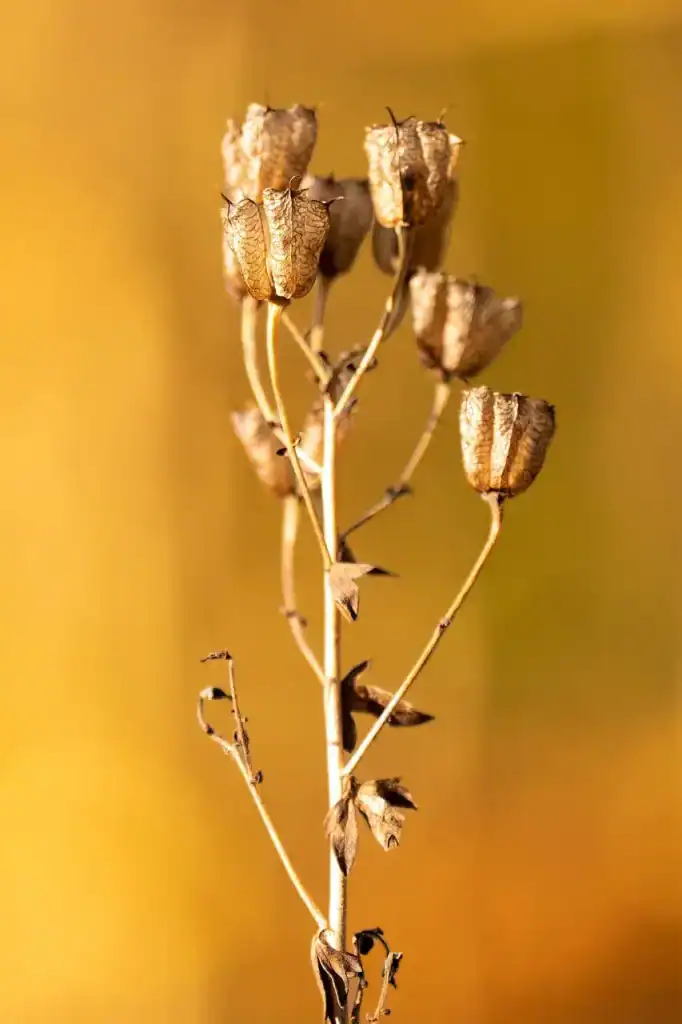
Characteristics: Seeds from plants that form pods or capsules are typically dry and relatively easy to collect.
Collection: Gather seeds when capsules are brown and beginning to split open. Timing is essential, as these seeds can quickly fall.
Cleaning: Remove any remaining plant material, being careful to avoid damaging the seeds.
Storage: Store in a cool, dry place in a paper envelope within a larger sealed container. Wild indigo seeds may need scarification before planting to allow water to penetrate and trigger germination.
Tiny or Dust-Like Seeds (e.g., Lobelia, Cardinal Flower)
Characteristics: Some native plants produce very tiny seeds that resemble dust.
Collection: Collect from seed heads when fully dry. Shake seed heads over a paper plate or tray to catch the fine seeds.
Cleaning: Separate seeds from the chaff as much as possible. Handle carefully to avoid loss.
Storage: Store in a small sealed container with silica gel packets to maintain low moisture. Refrigeration can help prolong viability.
General Seed Storage Tips
- Labelling: Always label your seed containers with the plant species, collection date, and any special notes (like stratification needs).
- Moisture Control: Most seeds last longer if stored dry. Use silica gel packets in your storage containers to keep moisture low.
- Temperature: A consistent cool temperature between 32–41°F (0–5°C) is ideal for most seeds. Refrigerators work well for smaller quantities.
- Viability Check: Test viability by performing a simple water test — viable seeds often sink. Or plant a few to check for germination.
Seeds are not just future plants — they are living archives of local adaptation, resilience, and ecological memory.
Ethical and Sustainable Seed Collection
Seed viability varies widely among species — some native wildflowers can remain viable for several years if stored correctly, while others must be sown within a season. Beyond viability, ethical collection is essential. Here is why it matters:
- Support for Wildlife: Seeds are a crucial food source for birds, mammals, and insects — particularly in fall and winter. Leaving a portion ensures wildlife has a consistent food source.
- Natural Regeneration: Seeds that fall to the ground provide the next generation of plants, maintaining genetic diversity and adapting populations to local conditions over generations.
- Balance in Ecosystems: Overharvesting can disrupt the balance between plants, animals, and insects. Collecting only 10–20% of available seeds is widely recommended.
- Conservation of Rare Species: Some native plants have limited populations. Responsible collecting prevents further depletion of vulnerable species already facing habitat loss or climate pressures.
- Ecosystem Resilience: Seeds that survive in the wild are often the hardiest and best adapted to local conditions, supporting stronger and more resilient plant communities over time.
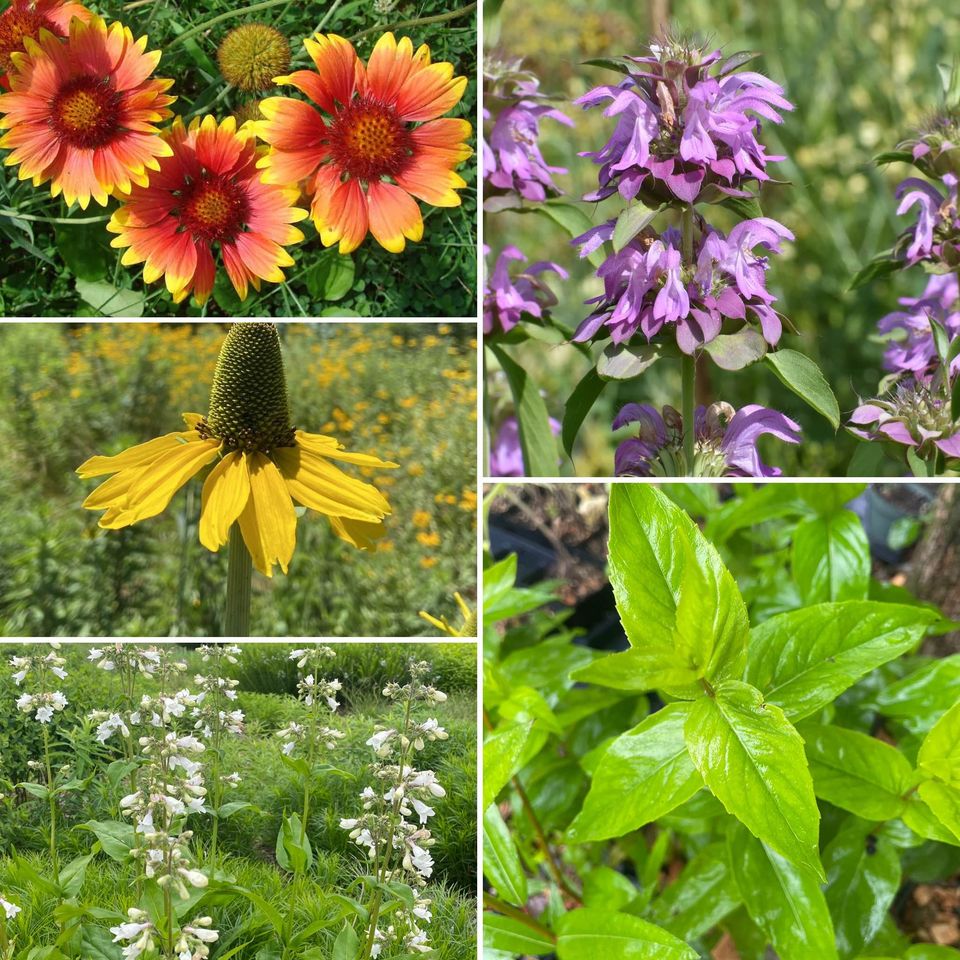
Practical Approach for Responsible Seed Collection
- Harvest seeds selectively, taking only what you need.
- Avoid collecting from every plant in a given area.
- Collect from multiple plants to ensure genetic diversity.
- Leave enough seeds to support wildlife, natural regeneration, and future generations.
Legal Guidelines for Seed Collection
- State and National Parks: Collecting seeds or any plant material is generally prohibited. Always check with park authorities if special permits are available for research or restoration projects.
- Public Lands and Preserves: On federal lands managed by the BLM or U.S. Forest Service, seed collection is often restricted. Special permits may be available for scientific or conservation purposes.
- Private Property: Always obtain explicit permission from the property owner. Unauthorized collection can be considered trespassing.
- Endangered or Threatened Species: Collection from plants listed as endangered, threatened, or protected under local, state, or federal law is strictly prohibited.
Resources and Further Reading
U.S. Forest Service – Seed Collection Guide for Native Plants — Detailed instructions on collecting and storing native seeds for various plant types.
Native Plant Trust — Guidance on ethical seed collection, cleaning techniques, and storage strategies. nativeplanttrust.org
Xerces Society – Seed Collection Guidelines — Specific advice for collecting seeds from pollinator plants. xerces.org
Native Seed Network – Ethical Guidelines — Sustainable seed collection practices that support native ecosystems. nativeseednetwork.org
Lady Bird Johnson Wildflower Center — Cold stratification and scarification techniques. wildflower.org
Prairie Moon Nursery — Seed stratification and planting instructions for native plants. prairiemoon.com
Seed Savers Exchange — General guidelines on storing seeds to maximize longevity. seedsavers.org
“The Seed Garden” by Lee Buttala and Shanyn Siegel — Comprehensive techniques for saving seeds, including wildflowers and native species. Available at Seed Savers Exchange.
“Bringing Nature Home” by Douglas W. Tallamy — The importance of native plants in supporting local ecosystems. Available at Amazon.